


What Is the Small Fabric Panel Inside Women’s Underwear?
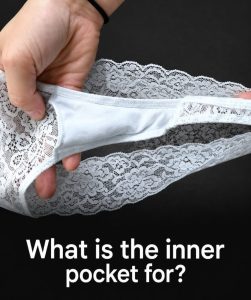
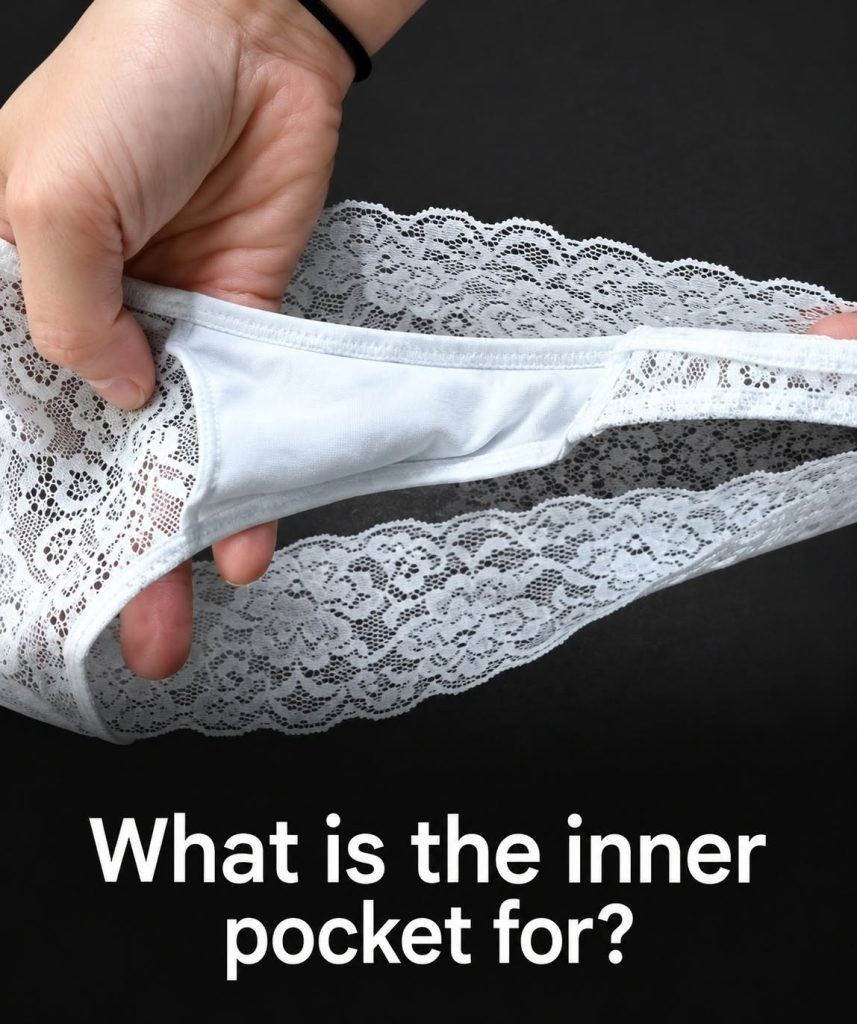
The small fabric panel sewn into the crotch area of many pairs of women’s underwear is called a gusset. It can resemble a small pocket, particularly when one side of the panel is not fully stitched down, but it is not intended for storage. The gusset is a practical garment feature designed to improve comfort, provide reinforcement, and create a smoother layer in an area subject to frequent movement and moisture.
Although it is easy to overlook, the gusset is an important part of underwear construction. It is commonly found in briefs, bikini underwear, high-waisted styles, shapewear, athletic underwear, and many other designs. The panel may be made from cotton, a cotton blend, modal, bamboo-derived viscose, or another soft fabric, depending on the manufacturer and the overall style of the garment.
Understanding why underwear has a gusset can help consumers make more informed decisions about fit, materials, daily comfort, and garment care. It can also clarify a common misconception: the extra panel is not a sign that underwear is defective or unfinished. In most cases, it is an intentional design choice with both functional and manufacturing benefits.
What Is a Gusset in Underwear?
In clothing construction, a gusset is an additional piece of fabric inserted into a garment to improve fit, flexibility, strength, or comfort. Gussets are not limited to underwear. They may also appear in trousers, tights, leggings, swimwear, sportswear, and other garments that need to accommodate movement or reduce stress on seams.
In women’s underwear, the gusset is usually positioned at the crotch. It creates an extra layer between the body and the outer fabric of the underwear. In many designs, the panel has finished edges and may be sewn on three sides, leaving one edge open. This construction can make the gusset look like a pocket, but its purpose is structural and practical rather than decorative.
Manufacturers may use a separate gusset panel because the outer fabric of underwear is often selected for stretch, appearance, or a close fit. Lace, mesh, microfiber, nylon, polyester, and elastane blends can provide smoothness and flexibility, but they may not feel ideal as the innermost layer for every wearer. Adding a separate panel allows brands to combine different fabric qualities within one garment.
Why Underwear Has an Extra Fabric Layer
The crotch area of underwear experiences regular movement when a person walks, sits, exercises, or bends. It can also be exposed to natural moisture, heat, and friction. An extra layer of fabric can make the garment feel smoother and more supportive in this high-contact area.
A well-made gusset may help reduce discomfort caused by prominent seams, rough edges, or thin synthetic materials. This does not mean every gusset will feel identical. The comfort of underwear depends on many factors, including fabric texture, seam placement, garment size, elasticity, and personal sensitivity.
The gusset also provides reinforcement. Underwear must stretch repeatedly during normal use and washing. A separate panel can strengthen a section of the garment that receives regular stress without requiring the entire item to be made from thicker material. This is especially useful in lightweight, delicate, or highly elastic styles.
For designers, the gusset can also support a cleaner construction process. It may help cover or enclose internal seams, producing a neater finish against the skin. This is one reason the panel is often associated with both comfort and durability.
Why Cotton Gussets Are So Common
Cotton is one of the most frequently used materials for underwear gussets. It is widely valued because it is soft, breathable, and absorbent compared with many fully synthetic fabrics. These qualities can make a cotton-lined crotch area feel comfortable during routine activities, particularly in warm weather or when a person is active.
Breathability refers to how easily air can move through a fabric, while absorbency describes a material’s ability to take in moisture. Cotton can absorb moisture, although it may also remain damp longer than some performance fabrics. Therefore, a cotton gusset can support everyday comfort but does not guarantee that the area will stay dry in all conditions.
Many underwear brands pair a cotton gusset with a nylon, polyester, elastane, or lace outer layer. This combination can offer stretch, shape retention, and a smooth appearance while maintaining a softer inner surface. In product descriptions, shoppers may see this referred to as a “cotton-lined gusset,” “cotton crotch lining,” or “cotton panel.”
It is important to note that fabric choice is personal. Some people prefer cotton, while others may find certain blends more comfortable, especially for sport or moisture management. Material sensitivity can also vary. Irritation may be associated with fabric fibers, dyes, finishing chemicals, laundry products, tight elastic, or friction rather than one fabric type alone.
Comfort, Moisture, and Everyday Wear
The gusset’s main role is to support comfort in an area where skin and fabric are in close contact. By adding a soft layer and helping distribute stress across the garment, it can make underwear more suitable for daily wear.
However, underwear construction is only one part of overall comfort. A properly fitting garment is equally important. Underwear that is too tight may create pressure, chafing, or trapped warmth. Underwear that is too loose may shift during movement and create rubbing. The most suitable fit generally allows comfortable movement without digging into the skin or bunching under clothing.
Weather, exercise, occupation, and personal preference can also affect what feels best. Someone who spends much of the day sitting may prefer smooth, low-friction seams. Someone participating in sports may choose moisture-wicking athletic underwear or change into dry clothing soon after exercise. People wearing tight leggings, uniforms, or shapewear may look for designs with minimal seams and breathable linings.
The gusset should not be viewed as a medical device or as protection against infections. It does not replace routine hygiene, changing out of damp clothing, or seeking medical advice for ongoing symptoms. The purpose of the panel is primarily garment comfort and construction.
Does a Gusset Prevent Health Problems?
A gusset can contribute to a more comfortable underwear environment, but it cannot prevent all skin irritation or intimate health concerns. Medical organizations generally emphasize that symptoms such as persistent itching, burning, unusual discharge, pain, sores, or a strong odor should be discussed with a qualified healthcare professional rather than addressed solely by changing underwear materials.
In everyday life, simple habits can support comfort. These may include changing underwear regularly, choosing a clean and comfortable pair after exercise, washing garments according to the care label, and avoiding products that cause personal irritation. Fragranced detergents, fabric softeners, sprays, or heavily scented intimate products can bother some people with sensitive skin.
The U.S. Centers for Disease Control and Prevention and other health authorities advise people to seek appropriate medical guidance if they are concerned about symptoms of infection or irritation. Self-diagnosis can be unreliable because several conditions may cause similar symptoms. A cotton gusset may be a useful clothing feature, but it is not a substitute for healthcare.
Why Some Gussets Look Like Pockets
The pocket-like appearance of a gusset is often the result of how it is sewn. In some underwear, one edge of the inner panel is left unattached after manufacturing. This can simplify construction and help conceal seams between the outer fabric and lining. It may also allow the gusset fabric to lie flatter inside the garment.
This open edge is normal in many styles. It does not mean that part of the underwear is missing, and it does not need to be sewn closed by the wearer. Attempting to alter it could damage the garment or create uncomfortable seams.
Not every pair of underwear has a visible open-edge gusset. Some gussets are fully enclosed, while others are integrated so smoothly into the garment that they are difficult to notice. Construction methods vary by brand, price point, material, and design.
How to Choose Underwear With a Comfortable Gusset
When shopping for underwear, it can be helpful to look beyond the overall style and check the fabric label. A gusset made from a soft material may be preferable for people who are sensitive to seams or who wear underwear for long periods. Cotton linings are common, but comfort remains individual.
Consider the following factors when choosing a pair:
- Fit: Choose a size that stays in place without pinching, rolling, or excessive looseness.
- Fabric: Check the fiber content of both the outer fabric and the gusset lining.
- Seam placement: Flat or carefully finished seams may feel more comfortable for some wearers.
- Activity level: Everyday, athletic, and special-occasion underwear may require different features.
- Skin sensitivity: Unscented laundry products and simpler materials may be useful for people who react to dyes, finishes, or detergents.
- Care instructions: Follow the label to preserve elasticity, shape, and fabric quality.
There is no universally perfect underwear material. The best choice is usually a clean, well-fitting garment that feels comfortable during the wearer’s regular activities. Consumers with recurring irritation or concerns about skin health should consider discussing them with a clinician.
Washing and Caring for Underwear
Proper laundering helps maintain the gusset and the rest of the garment. Underwear labels provide the most reliable guidance because care needs differ between cotton, lace, microfiber, silk, and synthetic stretch fabrics. High heat can affect elastane over time, while harsh bleach or strong detergents may damage delicate fibers or cause fading.
Washing underwear after use and allowing it to dry thoroughly are practical steps for garment hygiene. For delicate pieces, a mesh laundry bag or gentle wash cycle can reduce stretching and snagging. Replacing underwear when fabric becomes thin, elastic loses recovery, seams fail, or the gusset becomes worn can also improve comfort.
It is also sensible to avoid sharing underwear. As with other personal garments, individual use and regular washing are standard hygiene practices.
The Practical Purpose of a Small Design Detail
The gusset inside women’s underwear is a small but purposeful component. It is not a pocket, and it is not an accidental extra piece of fabric. Its primary functions are to add softness, reinforce a high-movement area, help manage everyday moisture, and improve the overall construction of the garment.
Cotton gussets remain popular because cotton is soft, breathable, and absorbent, but fabric preferences differ from person to person. A comfortable fit, good garment care, regular changing, and attention to individual sensitivities all matter as much as the lining itself.
Ultimately, the gusset reflects a practical approach to underwear design: using an additional layer where the garment needs comfort and durability most. What may look like an unusual pocket is, in fact, a standard feature that helps many types of underwear perform better in daily life.
Sources
Disclaimer: This content is intended for entertainment purposes only and is not based on real events.