
The Agony of Omayra Sánchez: Revisiting the Armero Tragedy and Its Lasting Legacy
In November 1985, Colombia experienced one of the most devastating natural disasters in modern history. When the Nevado del Ruiz volcano erupted, it triggered a catastrophic mudflow that engulfed the town of Armero, erasing nearly an entire community and claiming over 25,000 lives. Amidst this widespread tragedy, the story of a young girl, Omayra Sánchez, came to symbolize both the personal and collective loss suffered that day—her final moments immortalized in a poignant photograph by Frank Fournier. This analysis explores the context, impact, and enduring significance of the Armero tragedy and Omayra Sánchez’s legacy, providing a comprehensive and compassionate account.
Understanding the Armero Tragedy: Background and Context
The Nevado del Ruiz, a stratovolcano towering at over 5,300 meters in the Colombian Andes, had lain dormant for decades prior to its infamous 1985 eruption. Its two prior eruptions, in 1595 and 1845, both resulted in deadly avalanches down the Lagunilla River—ironically, the very area where Armero was later established. Despite this historical precedent, growing communities settled in the region, drawn by the fertile valleys and economic opportunities in agriculture and trade.

Months before the fatal eruption, volcanologists and civil protection experts observed increased seismic activity around Nevado del Ruiz. Sulfur emissions, frequent tremors, dead fish in water basins, and small eruptions—one of which caused a forest fire—were all clear warning signs. These findings were conveyed to the Colombian authorities, with scientists, local farmers, and political figures urging action. However, competing priorities, public skepticism, and inadequate emergency procedures led to a lack of comprehensive evacuations.
When the volcano erupted on November 13, 1985, a pyroclastic flow melted the mountain’s glacier, generating four massive lahars, or volcanic mudflows. These raced down the slopes at speeds up to 50 km/h, destroying everything in their paths. By the time they reached Armero, just after midnight, the town was overwhelmed by a torrent of mud, debris, and water.
The Scale of the Disaster: Human and Material Losses
The destruction was almost total. According to official Colombian sources, approximately 23,000 people—94% of Armero’s inhabitants—perished in just a few hours. More than 5,000 homes were destroyed, most of them in Armero, while surrounding towns and villages suffered extensive damage. The material losses were staggering, with preliminary estimates placing damages between 35 and 50 billion Colombian pesos (equivalent to $7.5-$10.5 million USD at the time).
The lahars drastically altered the landscape, burying entire neighborhoods in meters of volcanic mud and debris. Survivors and rescue teams were confronted with scenes of unimaginable devastation. Across Colombia and the world, shock and grief were compounded by questions as to why early warnings had not prevented such a colossal loss of life.
More than 230,000 people were directly impacted, with thousands left homeless, orphaned, or injured. The humanitarian response was massive but hampered by poor access, continuing danger from the still-active volcano, and the psychological trauma experienced by victims and rescuers alike.
The Story of Omayra Sánchez Garzón
Among the many individuals affected by the disaster, one became a symbol for the tragedy—the 13-year-old Omayra Sánchez Garzón. Born in Armero on August 28, 1972, Omayra lived with her parents, brother, and aunt. Her father worked as a rice and sorghum collector, while her mother was a nurse.

On the night of the eruption, Omayra and her family were awake, concerned about the fallout from the volcano’s activity. Sudden roaring sounds alerted them to the approaching lahar. Within moments, their home was overwhelmed by the mudflow. Omayra became trapped under concrete and rubble, her legs pinned, and her aunt’s arms wrapped protectively around her.
As the hours passed, local rescuers located Omayra amid the wreckage. Despite extraordinary efforts and her own remarkable composure, Omayra’s predicament was dire—removing her from the debris would have required complex medical intervention, including leg amputation, for which no equipment or facilities were available onsite.
Endurance and Dignity in the Face of Death
Omayra Sánchez remained trapped in the muddy water for over 60 hours, exposed to the elements and intense physical trauma. Throughout this ordeal, witnesses marveled at her resilience and calmness. She conversed with journalists and volunteers, requesting sweet foods, singing softly, and showing astonishing composure for someone in such a desperate situation.
As time wore on, Omayra began to show signs of deterioration. Her hands and face swelled; her mental state wavered as she spoke of school and worried about missed exams. The surrounding water continued to rise. Doctors determined that freeing her would have required surgery they could not perform onsite. Medical teams did their best to comfort her, but ultimately, they had to make the grim decision to let her pass peacefully rather than subject her to further suffering or risk.
Omayra’s final words—messages of love to her family—were recorded by reporters on the dawn of November 16th, shortly before 10 a.m.
The Iconic Photograph and Its Global Impact
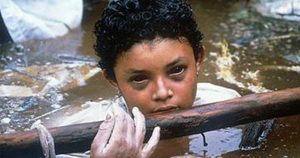
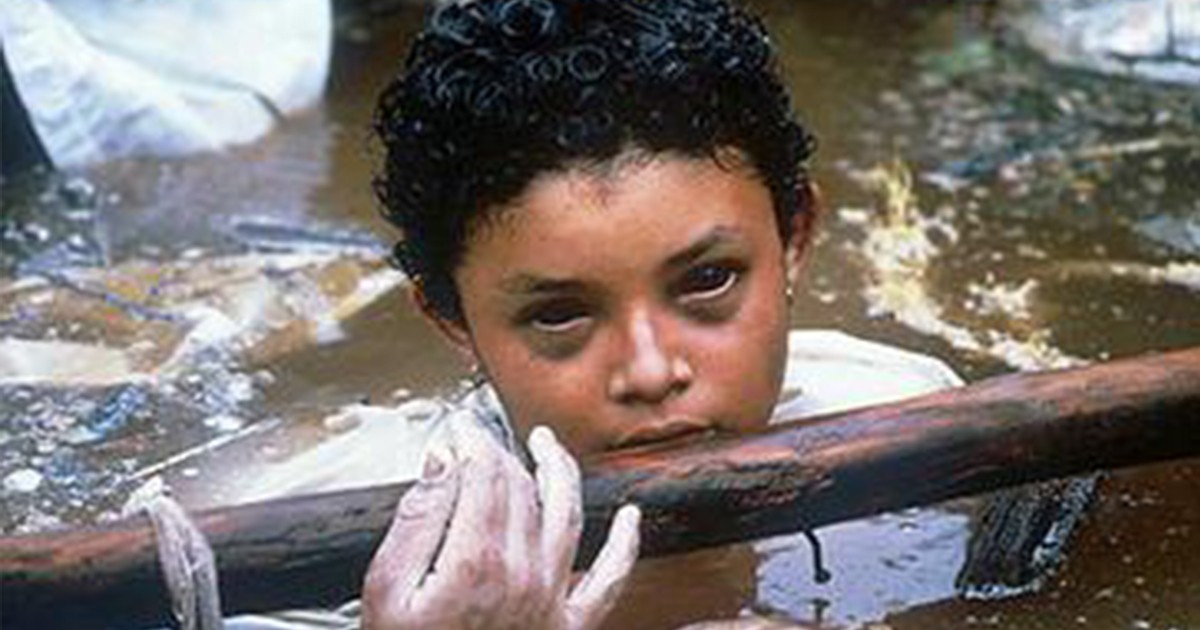
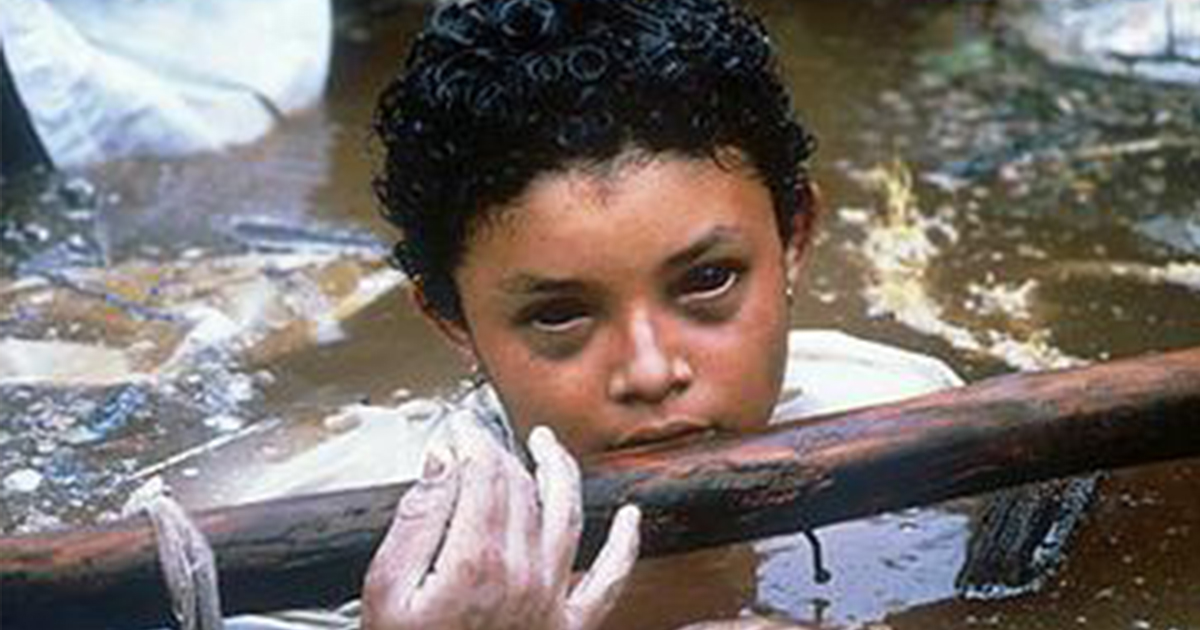
The defining image of Omayra’s last moments was captured by French photojournalist Frank Fournier, who had journeyed to Armero in the aftermath of the eruption. Arriving days after the disaster, he was guided to Omayra’s location, where he witnessed firsthand the terrible extent of the tragedy.

Fournier’s photograph of Omayra, her face a portrait of anguish and courage, rapidly became a symbol of the disaster. It was printed in newspapers and magazines around the world, sparking an outpouring of public emotion and political scrutiny. The photo won the World Press Photo of the Year in 1986 and is still regarded as one of the most powerful images in photojournalism history.
Yet, Fournier’s decision to document rather than intervene drew controversy. Some accused him of exploitation, asking why he or other journalists present did not physically rescue Omayra. Fournier consistently explained that he, like the rescue workers and doctors, was powerless to save her due to the lack of resources and the complexity of her entrapment. Ultimately, he hoped the photograph would highlight both the disaster’s human toll and the failures that preceded it, thereby galvanizing support for the victims and accountability from those in charge.
A Symbol of Innocence and Resilience
Omayra Sánchez’s story resonated globally. Beyond media coverage, her ordeal inspired poetry, novels, music, and artworks across Colombia and the international community. Her composed, dignified response in the face of death, and her tragic fate, were cited as both a condemnation of inadequate disaster preparation and a call for improving emergency response standards.

The resulting debate around Fournier’s photo and the broader media response led to increased scrutiny of both government responsibility and the ethics of photojournalism. While some were uncomfortable with the imagery, many experts and humanitarian organizations argued that such documentation was crucial in conveying the urgent need for change.
Aftermath and Societal Impact
The Armero tragedy’s aftermath sent ripples through Colombian society and beyond. Survivors and bereaved families had to cope with enormous material loss and emotional trauma. The Colombian government responded by establishing the National Office for Disaster Preparedness (now the Directorate for Disaster Prevention and Preparedness) and mandating disaster plans in cities nationwide. These reforms aimed to improve monitoring, warning systems, and evacuation protocols, reducing the risk of similar disasters.
On a personal level, Omayra’s family experienced mixed fates. Her mother, away on business in Bogotá, survived, as did her younger brother, who lost a finger but lived. Her father and aunt perished. Her mother’s poignant statement, “It is horrible, but we have to think about the living,” reflects the resilience of survivors faced with unimaginable loss.
Efforts to memorialize the victims continue to this day. Manuel Martín Benitos, a friend of the Sánchez family, established the International Foundation Omayra Sánchez in 1986, dedicated to disaster prevention and assistance. In a touching tribute, a new species of cricket discovered in the region was named Gigagryllus omayrae.
Armero Today: Memory and Lesson
The ruins of Armero now serve as both a gravesite and a warning to future generations. The town no longer exists as a functioning community; in its place are Christian crosses, simple memorials, and monuments dedicated to the dead—foremost among them Omayra Sánchez.
The Nevado del Ruiz remains an active volcano, with ongoing monitoring and hazard planning now in place. The events of 1985 continue to shape Colombia’s approach to risk management and disaster response, frequently cited in academic and governmental assessments.
“Her face, her words, and her courage, which streamed throughout the world on television and were a heartbreaking image in the largest newspapers and magazines of the United States and Europe, remained a testimony of accusation against those who could have at the very least made the tragedy less serious.“
Germán Santa María Barragán in El Tiempo, November 23, 1985
Omayra Sánchez remains a symbol of innocence lost, human dignity in adversity, and the importance of heeding scientific warnings in the face of natural hazards. Her legacy endures in the collective memory of Colombia and the wider world—as a call to action for disaster preparedness and humanitarian responsibility.
Sources
- BBC News: The Armero Disaster
- Reuters: Nevado del Ruiz Volcanic Hazards
- The Guardian: 30 Years On From Armero
- Al Jazeera: The Armero Tragedy in Colombia
- WHO: Volcanic Eruption Facts
- BBC: Frank Fournier on Photographing Omayra Sánchez
Disclaimer: This content is intended for entertainment purposes only and is not based on real events.