
If You See Bright Pink Egg Clusters Near Water, They Could Belong to Invasive Apple Snails
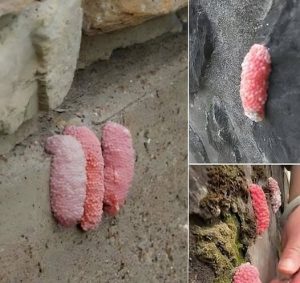
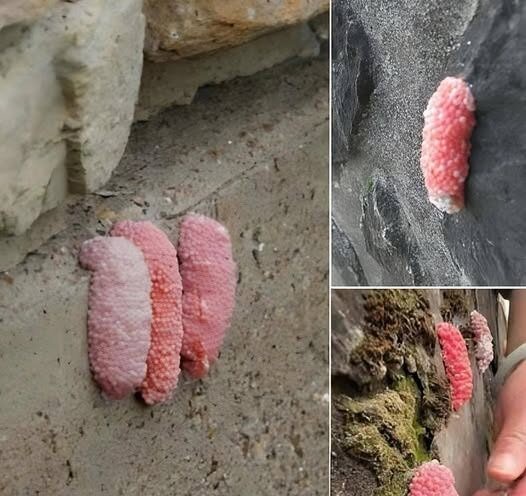
Bright pink egg clusters near ponds, canals, wetlands, drainage ditches, and garden water features can be striking enough to look artificial. Often attached to plant stems, rocks, retaining walls, docks, pipes, or concrete surfaces just above the waterline, these dense clusters may resemble tiny berries or pieces of pink foam.
In some regions, however, they may be a sign of invasive apple snails. Several non-native apple snail species, particularly species in the Pomacea genus, are closely monitored because they can reproduce rapidly, consume aquatic vegetation, and cause significant problems in wetlands and agriculture. Their presence has been documented in parts of the southern United States and in many countries where warm freshwater habitats support their survival.
Not every unusual pink object near water is an apple snail egg mass, and people should not assume that every snail they see is invasive. Accurate identification matters. Still, learning to recognize the typical appearance of apple snail eggs can help homeowners, gardeners, farmers, and visitors report potential infestations early and avoid accidentally moving the species to new waterways.
Why Bright Pink Egg Clusters Can Be a Warning Sign
Apple snails are freshwater snails that lay their eggs above the water rather than below it. Female snails commonly deposit clusters on solid surfaces near water, where the eggs remain moist enough to develop while avoiding prolonged submersion. This behavior makes the egg masses much easier to see than adult snails, which may remain underwater or hide among aquatic plants.
The clusters are often vivid pink, salmon-pink, or reddish pink when freshly laid. As eggs age, their color may fade, becoming paler or chalkier before hatching. Their bright appearance is one reason they draw attention. Unlike many native snail eggs, which may be clear, gelatinous, or difficult to spot, invasive apple snail egg masses can stand out sharply against green vegetation, gray concrete, dark wood, or shoreline rocks.
A visible cluster can be an important clue that adult snails are already present nearby. It may also indicate that breeding is taking place in a pond, canal, irrigation system, wetland, or other connected water body. Because waterways can link neighborhoods, farms, and natural habitats, a localized sighting may be relevant beyond the property where it is first noticed.
Apple Snail Eggs Can Contain Hundreds of Individual Eggs
One reason invasive apple snails receive attention from environmental agencies is their reproductive potential. A single egg mass can contain hundreds of eggs, although the exact number varies by species, the snail’s size, environmental conditions, and other factors. Multiple females can lay repeated clusters during favorable periods, allowing a population to grow quickly when food, water, and temperatures are suitable.
High reproductive output does not mean every egg will hatch or every young snail will survive. Weather, predators, water levels, disease, and habitat conditions all influence population growth. Yet repeated clusters around the same shoreline, pond edge, or water-control structure can indicate ongoing reproduction and deserve attention from local invasive-species authorities.
Early detection is especially valuable because small, newly established populations may be easier to monitor or manage than widespread infestations. Once snails disperse through connected waterways, floodwater, irrigation channels, boating equipment, or the aquarium and water-garden trade, control efforts can become more complicated and costly.
How Invasive Apple Snails Can Affect Wetlands and Aquatic Plants
Healthy freshwater ecosystems depend on aquatic plants. Submerged and emergent vegetation can provide shelter for fish, amphibians, insects, and birds. Plants also help stabilize shorelines, influence water quality, and create feeding and nursery areas for many species.
Invasive apple snails may feed heavily on aquatic vegetation. In areas where their populations become dense, feeding pressure can reduce plant cover and alter the structure of wetland habitats. The effects vary from place to place, since not all water bodies contain the same plants, predators, climate conditions, or snail densities. Nevertheless, environmental agencies consider large apple snail populations a concern because of their capacity to damage vegetation that supports local wildlife.
Changes to aquatic plant communities can have wider ecological consequences. When vegetation declines, animals that rely on it for food, nesting, cover, or egg-laying habitat may be affected. Bare or disturbed shoreline areas can also become more vulnerable to erosion. These changes do not always happen immediately after a first sighting, but they illustrate why invasive species monitoring focuses on prevention and early reporting.
Potential Risks to Agriculture and Rice Production
Apple snails are also known agricultural pests in some parts of the world. The golden apple snail, commonly associated with Pomacea canaliculata and closely related species, has caused substantial damage to rice production in parts of Asia after being introduced outside its native range. Young rice plants can be particularly vulnerable to feeding by large snail populations.
In the United States, agricultural risk depends on the species involved, its distribution, climate, and the crops grown nearby. State agriculture departments and university extension services monitor apple snail sightings because water-connected agricultural landscapes may offer pathways for spread. Canals, flooded fields, drainage systems, and irrigation infrastructure can create suitable habitat and help snails move between locations.
For farmers and land managers, a report of bright pink egg clusters is not simply a matter of curiosity. It can provide useful information about where a population may be breeding. Prompt reporting allows specialists to assess the sighting, confirm the species when necessary, and determine whether monitoring or management is needed.
Not Every Apple Snail Is the Same
Identification is essential. The term “apple snail” is used for several large freshwater snail species, and some native species may be mistaken for non-native snails. Likewise, eggs from different snail species may vary in color, size, texture, and placement. A photograph, location information, and observations about the nearby water body can help experts evaluate a report.
Suspected invasive apple snail egg masses are generally compact, brightly colored clusters found above the waterline. However, appearance alone is not always enough for a reliable identification. Residents should avoid destroying wildlife indiscriminately or relying on social-media posts as their only source of information. Local extension offices, state wildlife agencies, invasive-species programs, and agriculture departments are better sources for region-specific identification guidance.
In the United States, invasive apple snail species and reporting procedures differ by state. Florida, for example, has well-established populations of non-native apple snails in some freshwater systems, while other states may treat a new sighting as a significant biosecurity concern. Rules on handling, transport, possession, and disposal can also vary by jurisdiction.
What to Do If You Find Suspected Apple Snail Eggs
If you see a bright pink egg cluster near freshwater, the safest first step is to observe rather than immediately touch or remove it. Take clear photographs from a reasonable distance and note the location, including the type of water body and what surface the eggs are attached to. If possible, record the date and estimate how many clusters are visible.
Avoid handling unknown egg masses with bare hands. Guidance from wildlife and extension agencies may recommend gloves or other precautions where removal is authorized, but residents should first check instructions from the relevant local authority. This approach helps reduce unnecessary contact and lowers the risk of spreading eggs or snails on hands, footwear, garden tools, boats, or equipment.
Children and pets should be kept away from unknown egg clusters and snails. The clusters should not be treated as decorative objects, toys, or garden materials. Do not place suspected eggs or adult snails in another pond, creek, aquarium, storm drain, or natural waterway. Moving organisms, even with good intentions, can extend an infestation into an uninfected area.
Why Reporting Matters
Reporting a suspected sighting can help environmental agencies map the distribution of invasive species and respond before populations become more widespread. A report does not necessarily mean a property will face major disruption. In many cases, authorities may simply request photographs, confirm the identification, or provide advice tailored to the site.
Homeowners and gardeners are often the first people to notice unusual egg clusters because they regularly see ponds, water features, canal edges, and plants around their properties. Their observations can contribute to broader monitoring efforts. This is one practical example of community participation in environmental protection: a careful report can provide useful evidence for scientists and land managers.
When making a report, include the precise location if requested, photos showing the cluster and surrounding habitat, and any observations of adult snails. Do not mail live snails or eggs, transport them across county or state lines, or release aquarium animals into the environment. Authorities can explain whether they need a specimen and how it should be collected, if collection is appropriate.
Preventing the Spread of Invasive Apple Snails
Prevention is usually more effective than trying to eliminate a species after it becomes widespread. People who fish, boat, garden, maintain ponds, or work around irrigation systems can reduce the chance of accidental spread by cleaning mud, plants, and animals from equipment before moving to another site. Boats, trailers, waders, nets, buckets, and garden tools should be cleaned and dried according to local invasive-species guidance.
Aquarium and water-garden owners also have an important role. Never release unwanted snails, fish, plants, or aquarium water into local waterways. Pet and aquatic organisms can survive in habitats where they were never intended to live, and some can become invasive. Responsible rehoming, returning animals through approved channels, or consulting a local pet retailer or animal-control program can be safer alternatives.
Property owners with ponds or ornamental water features can periodically inspect vegetation, walls, pumps, pots, and other surfaces near the waterline. Regular observation does not need to be burdensome. Knowing what unusual clusters look like and recognizing when to ask for expert advice can make a meaningful difference.
The Importance of a Calm, Evidence-Based Response
Bright pink eggs can create understandable concern, but the appropriate response is informed caution rather than panic. A single cluster does not automatically prove a major infestation, and many details must be considered before experts can determine what species is present and what action is warranted.
At the same time, ignoring repeated egg masses near water can allow a potentially invasive population to become more established. The most useful approach is straightforward: photograph the sighting, avoid moving or handling it unnecessarily, consult official local guidance, and report it when advised.
What appears to be an unusual garden discovery may be an early signal of a broader environmental issue. By recognizing possible apple snail egg clusters and following science-based local recommendations, residents can help protect freshwater habitats, aquatic plants, agriculture, and neighboring waterways.
Sources
- USDA APHIS: Apple Snails
- U.S. Fish & Wildlife Service: Invasive Apple Snails
- National Invasive Species Information Center: Apple Snails
- University of Florida IFAS Extension: Apple Snails in Florida
- CABI Invasive Species Compendium: Pomacea canaliculata
- Food and Agriculture Organization of the United Nations: Golden Apple Snail Management
Disclaimer: This content is intended for entertainment purposes only and is not based on real events.