

# What does your thumb ring say about you?
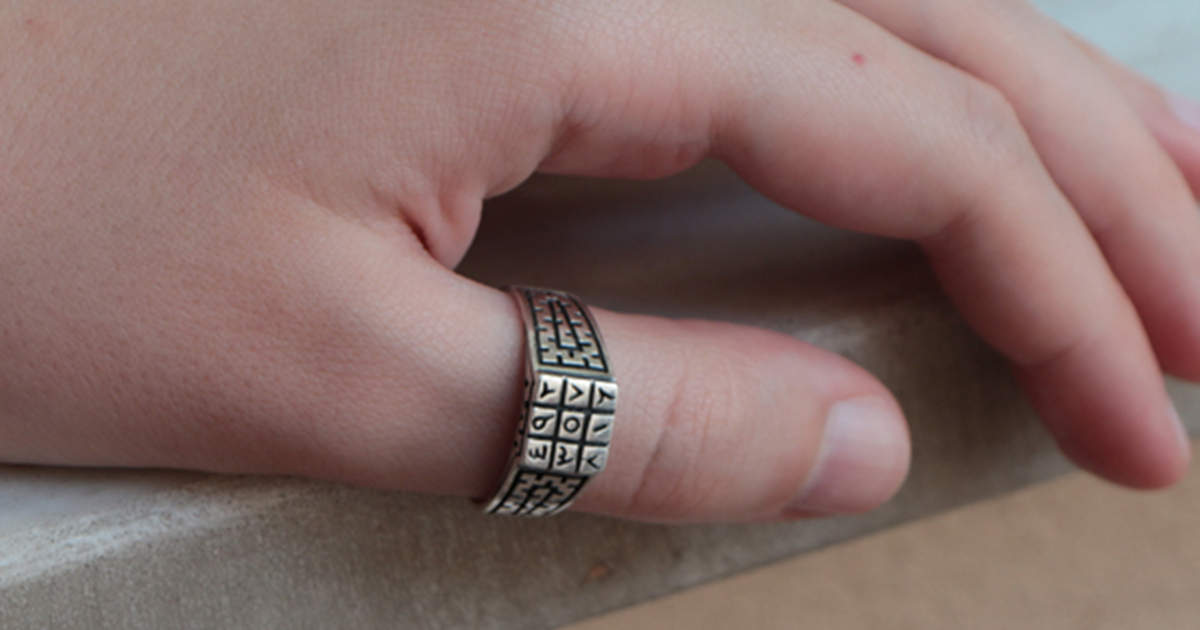
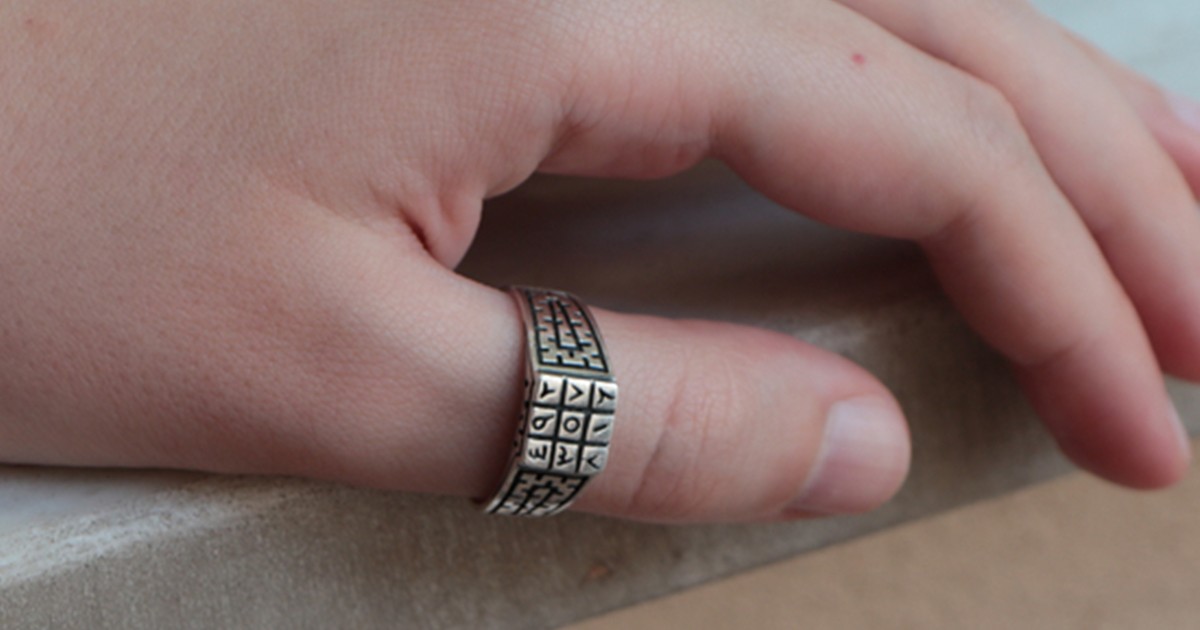
For many people, rings are simply fashionable accessories. They add personality to an outfit, complement other jewelry, and provide an easy way to express individual style. However, a ring worn on the thumb can carry a little more history and cultural significance than some people realize. Throughout history, thumb rings have served practical purposes, represented social standing, and become symbols of personal identity. Today, they are popular among people of different ages, backgrounds, and fashion preferences. Some wear them as a statement of independence, while others appreciate their distinctive appearance or the historical traditions associated with them. But does wearing a thumb ring actually communicate something about the person wearing it? And does it matter whether the ring is on the left or right hand? The answer is more interesting than a simple fashion rule. Although thumb rings are sometimes associated with confidence, individuality, freedom, and relationship preferences, their meanings depend heavily on cultural background, personal intention, and social context. Here is a closer look at the history, symbolism, and modern interpretations of thumb rings. ## Feminism, Freedom, and Personal Identity One of the most common modern interpretations of a thumb ring is that it represents independence and individuality. Unlike rings worn on the traditional ring finger, thumb rings are often more noticeable because of their unusual placement. Their distinctive appearance can make them an intentional fashion choice for someone who enjoys expressing their personality through accessories. For some women, wearing a thumb ring represents confidence, self-determination, and freedom from conventional expectations. It can be a subtle reminder that personal style does not have to follow established traditions. This interpretation also connects with broader conversations about feminism and individual identity. Jewelry has long provided people with opportunities to communicate their values, interests, and personalities without necessarily explaining them verbally. A thumb ring can therefore become a personal statement. For one person, it might represent independence. For another, it might symbolize a meaningful personal experience or simply reflect an appreciation for unconventional jewelry. ### Thumb Rings and LGBTQ+ Cultural Expression Thumb rings have also developed associations with LGBTQ+ communities in certain social settings. Some personal accounts describe how, during the 1990s and early 2000s, wearing a thumb ring, particularly on the right hand, could serve as a subtle identity signal among some lesbian and queer women. In environments where openly discussing sexual orientation was not always comfortable or safe, small fashion choices sometimes provided opportunities for recognition and connection. One contributor to a discussion on Reddit recalled that, within her social circles, a thumb ring could indicate that someone was part of the lesbian community. Such recollections offer an interesting perspective on how fashion can become connected to community identity. However, it is important to distinguish personal experiences from universally recognized cultural conventions. There is no established international rule stating that a woman wearing a thumb ring belongs to the LGBTQ+ community. The meaning of jewelry varies between generations, locations, and social groups. A thumb ring should never be treated as reliable evidence of someone’s sexual orientation. Today, many LGBTQ+ individuals and allies wear thumb rings simply because they enjoy the style. Others may attach personal significance to the accessory as an expression of identity, confidence, or belonging. Ultimately, its meaning belongs to the person wearing it. ## Relationship Clues: Does a Thumb Ring Mean Someone Is Single? Another popular interpretation concerns romantic relationships. Some jewelry discussions suggest that the hand on which someone wears a thumb ring can communicate information about their relationship preferences. According to one interpretation promoted by jewelry retailers, a ring on the left thumb can represent being in love or being interested in finding a relationship, while a ring on the right thumb can suggest being single and open to meeting someone. These interpretations have become part of online conversations about jewelry symbolism, particularly as fashion blogs and social media users explore the possible meanings behind different ring placements. However, there is an important distinction between popular interpretations and established traditions. Unlike wedding and engagement rings, which have recognizable conventions in many societies, thumb rings do not have a universally accepted relationship-status meaning. For example, a person might wear a thumb ring on the left hand because they are right-handed and find it more comfortable there. Someone else might choose the right hand because the ring complements a watch, bracelet, or other accessories. Neither choice necessarily communicates anything about romantic availability. ### Why Ring Placement Can Be Personal The meaning of a ring often depends on the person wearing it. Some people deliberately select particular fingers because of cultural traditions, family customs, or personal symbolism. Others choose their preferred placement based entirely on comfort and appearance. This is especially true with thumb rings, which are often designed as prominent fashion accessories rather than traditional relationship jewelry. If someone wears a thumb ring, the most accurate way to understand its meaning is to ask them rather than rely on assumptions about their relationship status. ## A Nod to Power and History: The Traditional Significance of Thumb Rings Although thumb rings have become fashionable accessories in contemporary culture, their history extends much further back. In several historical societies, thumb rings were associated with archery, craftsmanship, wealth, and social standing. One particularly well-documented example comes from China, where specialized thumb rings were used by archers to protect their thumbs while handling bowstrings. ### Ancient and Imperial Chinese Archery Traditional Chinese archery provides one of the clearest historical explanations for the development of thumb rings. When archers used certain techniques to draw and release a bowstring, the thumb experienced considerable friction and pressure. A specially designed ring helped protect the thumb while allowing the archer to release the string smoothly. These objects were not simply decorative jewelry. They served an important practical purpose. The Metropolitan Museum of Art documents several Chinese archer’s rings dating from the 17th to 19th centuries. Its collection explains that Manchu archers used thumb rings when drawing the bowstring with the right thumb. Materials included bone, antler, jade, amber, and ivory. Interestingly, the materials and decoration could also communicate social standing and personal taste. Plain rings were suitable for practical archery, while more elaborate examples made from precious materials could be worn as decorative accessories. The Cleveland Museum of Art similarly documents jade thumb rings from China’s Qing dynasty, explaining that they were used by men for archery but also became fashionable accessories among civil officials. These historical examples demonstrate how a functional object can gradually acquire additional cultural and aesthetic meanings. ### From Practical Equipment to Symbols of Status As archery became less central to everyday life in certain Chinese social environments, the thumb ring continued to have cultural significance. During the Qing dynasty, decorative thumb rings made from jade and other valuable materials became associated with wealth, refinement, and social position. The Royal Collection Trust documents an example from the reign of the Qianlong Emperor (1736–1795), explaining how archer’s thumb rings remained fashionable even as their original practical function became less important. This transition illustrates an important aspect of fashion history: objects do not always lose their cultural value when their original purpose changes. A thumb ring that once protected an archer’s hand could eventually become an expression of wealth, craftsmanship, and personal identity. Today, historical-inspired thumb rings remain popular among people who appreciate traditional jewelry designs and the stories behind them. ## Rebellion and Creativity: Why Thumb Rings Stand Out in Modern Fashion In contemporary fashion, thumb rings are frequently associated with individuality and unconventional styling. Part of their appeal comes from their placement. Because the thumb is not traditionally considered the main finger for decorative rings, wearing jewelry there can create a distinctive appearance. For people who enjoy experimenting with accessories, this offers an opportunity to develop a recognizable personal style. ### A Fashion Choice That Challenges Convention Traditional jewelry styling often focuses on the ring finger, middle finger, and index finger. Thumb rings offer an alternative. They can be worn alongside bracelets, watches, necklaces, and other rings, creating combinations that range from understated to eye-catching. Some people prefer thin metallic bands that provide a subtle finishing touch. Others choose oversized silver rings, sculptural designs, gemstones, or traditional signet-inspired pieces. The result can communicate confidence and creativity without requiring a specific symbolic meaning. For individuals interested in alternative fashion, artistic expression, or unconventional accessories, thumb rings can become an important part of their overall appearance. However, it would be inaccurate to suggest that every person wearing one is necessarily rebellious or particularly adventurous. Personal style is individual. A thumb ring might reflect a carefully considered fashion identity, or it might simply be a piece of jewelry that someone enjoys wearing. ### Do Thumb Rings Have Different Meanings for Men and Women? Historically, some societies associated thumb rings with male archers, officials, and individuals of higher social standing. Modern fashion has moved beyond these traditional associations. Today, thumb rings are worn by people of all genders, and their designs are not restricted to any particular group. For men, a substantial silver, gold, or stainless-steel thumb ring can complement a minimalist or traditional wardrobe. For women, delicate bands and gemstone designs can provide an elegant alternative to conventional rings. Neither style has a fixed meaning. Some popular fashion interpretations associate thumb rings with assertiveness, independence, or sexual confidence. These ideas are better understood as cultural impressions rather than established psychological facts. A piece of jewelry cannot reliably reveal someone’s personality, confidence level, or romantic preferences. What it can do is provide a way for the wearer to express an identity or aesthetic they personally value. ## Left Thumb vs. Right Thumb: Does the Difference Matter? One of the most frequently discussed questions about thumb rings is whether wearing one on the left or right hand changes its meaning. Various online jewelry guides offer different explanations. Some associate the right thumb with outward confidence, assertiveness, and independence. Others interpret the left thumb as representing personal reflection, emotional expression, or individual commitments. There are also claims connecting specific placements with relationship status. However, these interpretations are not universal cultural standards. Unlike certain wedding-ring traditions, thumb-ring placement does not follow one internationally recognized system. Several practical considerations can influence which thumb someone chooses: – **Hand dominance:** Some people prefer wearing a ring on their less dominant hand to reduce interference with everyday activities. – **Comfort:** The size and shape of a ring can make one thumb more suitable than the other. – **Fashion coordination:** A person might choose a particular hand to balance other jewelry. – **Personal symbolism:** Some wearers intentionally assign their own meaning to the left or right thumb. – **Cultural traditions:** Particular communities may attach meanings to jewelry placement that are not shared elsewhere. Consequently, the most reliable interpretation is that thumb-ring placement is primarily a matter of individual preference unless the wearer explains otherwise. ## What Does the Material of a Thumb Ring Say About Your Style? Beyond placement, the material and design of a thumb ring can influence its overall appearance. Different materials offer different aesthetic qualities, allowing wearers to create a style that suits their preferences. ### Gold Thumb Rings Gold thumb rings are often associated with classic jewelry styling. Their warm appearance makes them suitable for both traditional and contemporary outfits. Depending on the design, a gold ring can look understated, luxurious, or decorative. Some people also choose gold because of its association with craftsmanship and lasting value. ### Silver Thumb Rings Silver is a popular option for people who prefer a cooler metallic appearance. Simple silver bands work well with minimalist outfits, while textured or engraved designs can create a more distinctive look. Silver thumb rings are also available in numerous widths and finishes, making them versatile accessories. ### Jade Thumb Rings Jade thumb rings have particular historical significance in Chinese jewelry traditions. As museum collections demonstrate, jade was used to create both practical archery rings and decorative objects. Today, jade rings appeal to people interested in traditional craftsmanship, natural gemstones, and historical design. Their cultural significance can make them especially meaningful to collectors and individuals with personal connections to Chinese heritage. ### Statement and Contemporary Designs Modern jewelry designers also produce thumb rings featuring geometric shapes, textured surfaces, gemstones, and unusual structures. These designs appeal to people who enjoy making accessories a central part of their outfits. A statement thumb ring can become a conversation starter, but it does not need to represent a particular belief or lifestyle. ## How to Choose and Wear a Thumb Ring If you are considering wearing a thumb ring, comfort should be just as important as appearance. Because the thumb moves frequently during everyday activities, choosing an appropriate size is essential. A ring should fit securely without restricting circulation or making normal movement uncomfortable. It is also worth considering the width of the band. Wider rings can create a more prominent appearance, while thinner bands often provide a subtle decorative effect. Here are a few practical considerations: 1. **Choose the correct size:** Measure your thumb rather than assuming your other ring sizes will be suitable. 2. **Consider your daily activities:** Make sure the ring does not interfere with typing, exercising, or other routine tasks. 3. **Match your preferred style:** Select a design that complements your existing accessories and clothing. 4. **Think about the material:** Consider durability, maintenance, and any material sensitivities. 5. **Wear it comfortably:** Jewelry should feel natural rather than restrict your movement. There is no requirement to follow a particular symbolic interpretation when choosing a thumb ring. You can wear one simply because you like its appearance. ## What Does Your Thumb Ring Say About You? A thumb ring can mean many different things, depending on its wearer and the context in which it is used. Historically, it served practical purposes in archery and eventually became associated with craftsmanship, wealth, and social standing in certain cultures. In modern fashion, it can represent independence, individuality, creativity, or personal identity. In some LGBTQ+ social circles, it has also carried community-related associations. At the same time, many people wear thumb rings for a much simpler reason: they like how they look. There is no universal rule stating that a thumb ring on the left hand means one thing and a ring on the right hand means something else. Nor can its placement reliably reveal someone’s relationship status, sexual orientation, or personality. Perhaps that is part of the appeal. A thumb ring allows people to experiment with personal style while giving an ordinary accessory the opportunity to carry individual meaning. Whether you wear one as a fashion statement, a connection to cultural history, or a reminder of personal independence, the most important meaning is the one you choose to give it. **Now it is your turn: Do you wear a thumb ring, and does it have a special meaning for you, or is it simply your favorite jewelry accessory?** ## Sources The following museum and educational collections provide historical information about thumb rings, traditional archery, and their cultural development. – The Metropolitan Museum of Art – Archer’s Ring (Qing Dynasty) – Cleveland Museum of Art – Chinese Jade Thumb Ring – Royal Collection Trust – Archer’s Thumb Ring – The Metropolitan Museum of Art – Decorated Archer’s Ring – Smithsonian Institution – Historical Chinese Jade Thumb Rings
Disclaimer: This content is intended for entertainment purposes only and is not based on real events.