
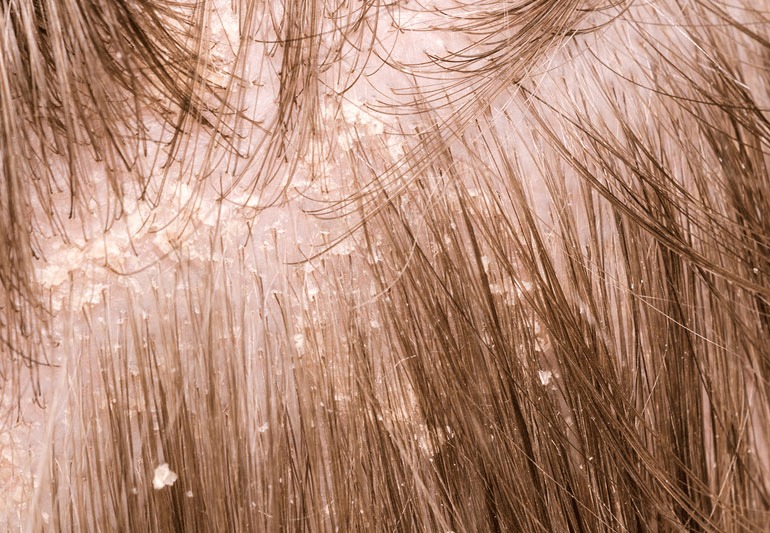
An itchy scalp can be frustrating, especially when it looks clean and your medical appointment is still weeks away. While occasional itching is common, persistent scalp irritation may signal dryness, product sensitivity, dandruff, or an underlying skin condition.
According to the American Academy of Dermatology (AAD), scalp itch (scalp pruritus) often occurs even without visible flakes or redness. The good news: there are practical, evidence-based steps you can take now to help reduce discomfort safely.
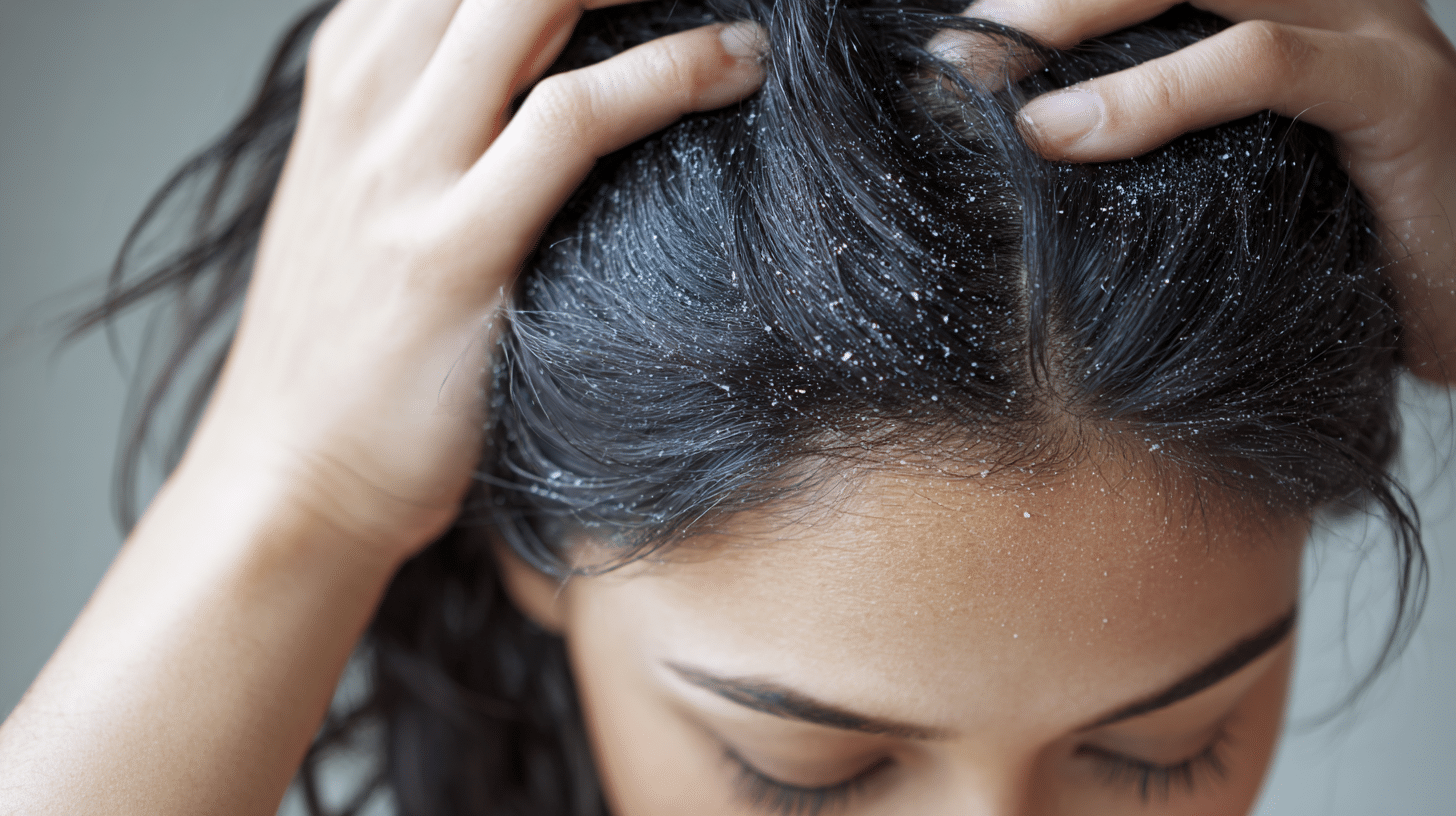
Common Causes of an Itchy Scalp
Before trying treatments, it helps to understand possible causes:
-
Dry scalp (xerosis)
-
Dandruff (seborrheic dermatitis)
-
Product irritation or allergic contact dermatitis
-
Psoriasis
-
Stress-related skin sensitivity
-
Fungal overgrowth (such as Malassezia, linked to dandruff)
Less commonly, persistent itch may relate to nutritional deficiencies or systemic conditions, but this requires medical evaluation.

What You Can Do Now
1. Review Your Hair Products
Hair care products are a frequent trigger of scalp irritation. Dermatologists recommend checking labels for potential irritants, including:
-
Artificial fragrances
-
Sulfates (such as SLS)
-
Harsh preservatives
If you recently introduced a new shampoo, conditioner, or styling product, consider discontinuing it temporarily.
Choose products labeled:
-
“Fragrance-free” (not just unscented)
-
“For sensitive skin”
-
“Hypoallergenic”
Give any new routine at least 1–2 weeks before judging results.
2. Adjust Washing Frequency
Both overwashing and underwashing can worsen itching.
-
Washing too often may strip natural oils, leading to dryness.
-
Washing too infrequently can allow oil and product buildup.
For most people, washing every 2–3 days is a reasonable starting point, though hair type and climate matter.
3. Try a Medicated Anti-Dandruff Shampoo
Even without visible flakes, dandruff can cause itching.
Shampoos containing these ingredients are supported by dermatology guidelines:
-
Ketoconazole
-
Selenium sulfide
-
Zinc pyrithione
-
Coal tar
-
Salicylic acid
Use 2–3 times weekly and leave on the scalp for about 5 minutes before rinsing. Alternate with a gentle shampoo on other days.
If irritation worsens, discontinue and consult a healthcare provider.
4. Moisturize a Dry Scalp Carefully
If your scalp feels tight or dry:
-
Apply a small amount of lightweight oil (such as coconut or mineral oil).
-
Massage gently into the scalp.
-
Leave on for 20–30 minutes before shampooing.
Avoid heavy oil buildup, which may worsen certain conditions like seborrheic dermatitis.
5. Avoid Scratching
Scratching damages the skin barrier and can worsen inflammation or cause infection.
To reduce unconscious scratching:
-
Keep nails trimmed
-
Wear light gloves at night if needed
-
Use a cold compress for temporary relief
If itching is intense, a pharmacist may recommend an over-the-counter anti-itch scalp product containing low-dose hydrocortisone (short-term use only).
6. Reduce Environmental Triggers
Dry air can worsen scalp irritation. Consider:
-
Using a humidifier (30–50% indoor humidity)
-
Avoiding very hot showers
-
Limiting heat styling tools
Stress can also intensify itching perception. Relaxation techniques may help reduce symptom severity.
7. Look for Visible Clues
Examine your scalp under good lighting. Note:
-
Red patches
-
Thick scales
-
Yellowish flakes
-
Silvery plaques
These may suggest:
-
Dandruff (seborrheic dermatitis)
-
Psoriasis
-
Contact dermatitis
Documenting symptoms can help your doctor make a faster diagnosis.

When an Itchy Scalp May Signal Something Else
Although less common, persistent itching without visible symptoms may sometimes relate to:
-
Iron deficiency
-
Vitamin B12 deficiency
-
Thyroid imbalance
Do not self-diagnose. If you have additional symptoms such as fatigue, hair thinning, or weight changes, mention them during your medical visit.
Red-Flag Symptoms — Seek Care Sooner
Do not wait weeks if you experience:
-
Severe scalp pain
-
Rapid hair loss
-
Oozing, crusting, or pus
-
Swelling
-
Fever
-
Spreading rash
These may require prompt medical treatment.
Questions to Prepare for Your Doctor
Before your appointment, note:
-
When the itching started
-
Recent product changes
-
Washing frequency
-
Other symptoms
-
Treatments already tried
This information can help your provider determine whether you need prescription treatment, allergy testing, or further evaluation.
Final Takeaway
A persistently itchy but “clean-looking” scalp is common and often manageable with gentle care adjustments. Focus on:
-
Eliminating irritants
-
Using targeted medicated shampoos
-
Protecting your scalp barrier
-
Avoiding scratching
If symptoms persist or worsen, a healthcare professional can provide a diagnosis and personalized treatment plan.
Medical Disclaimer:
This article is for informational purposes only and does not constitute medical advice, diagnosis, or treatment. Always consult a qualified healthcare provider regarding health concerns.