
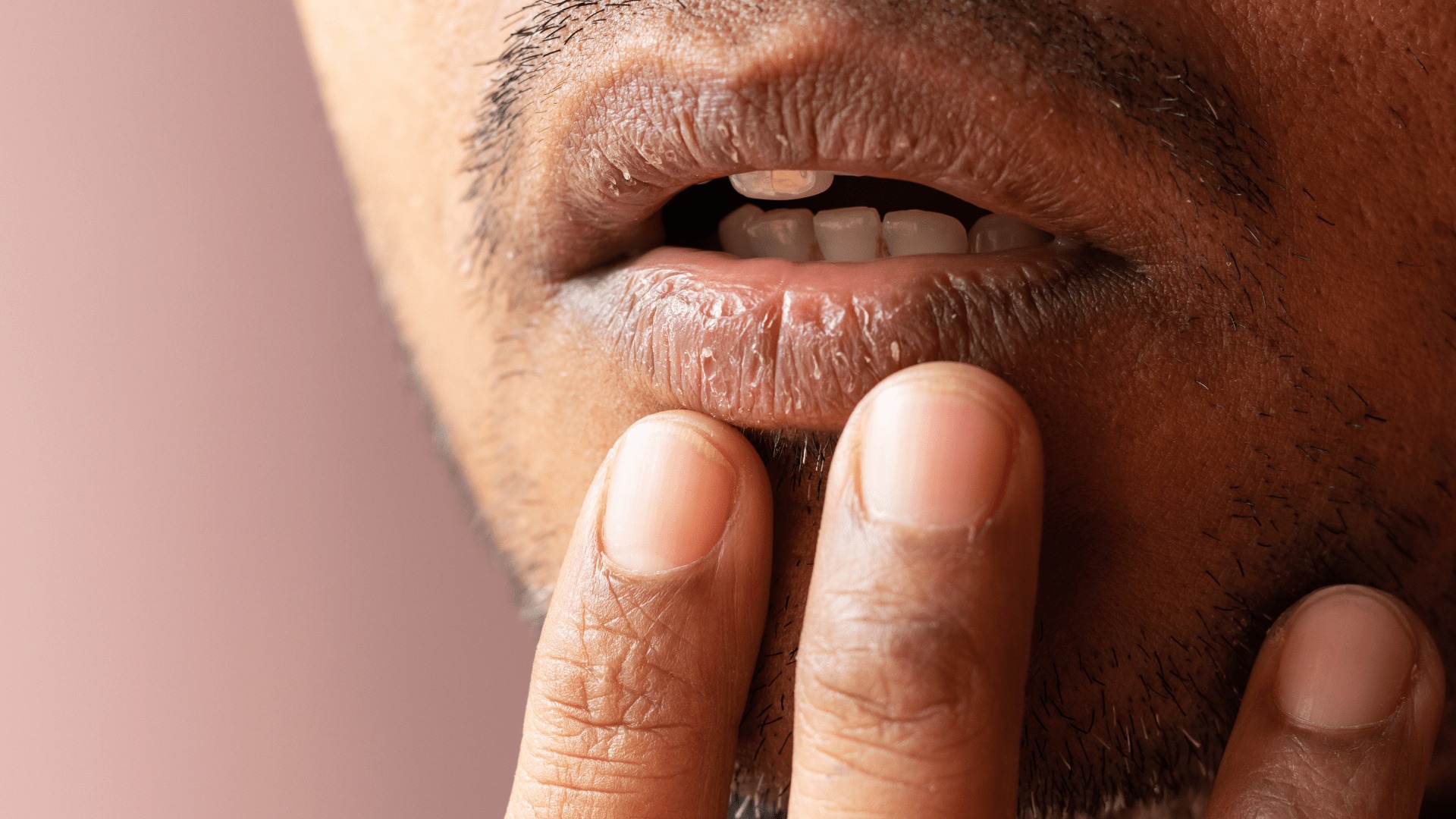
If your mouth feels dry all winter long — no matter how much water you drink — you’re not imagining it. Cold weather, indoor heating, and seasonal habits can all reduce moisture in your mouth.
Dry mouth, medically known as xerostomia, occurs when the salivary glands do not produce enough saliva. According to the Mayo Clinic and the American Dental Association (ADA), saliva plays a critical role in:
-
Protecting teeth from decay
-
Neutralizing acids
-
Supporting digestion
-
Preventing oral infections
When saliva decreases, discomfort and dental risks increase.

What Causes Winter Dry Mouth?
1. Cold, Dry Air Reduces Moisture
Cold air naturally holds less moisture than warm air. During winter, outdoor air is drier, and breathing it in can contribute to dryness in your mouth and throat.
Your nasal passages normally help humidify inhaled air — but cold weather can overwhelm this natural system.
2. Indoor Heating Lowers Humidity
Indoor heating systems (especially forced air heating) significantly reduce indoor humidity levels. According to environmental health guidelines, optimal indoor humidity should be 30–50%.
In winter, humidity indoors can drop as low as 10–20%, which dries out:
-
Skin
-
Nasal passages
-
Lips
-
Oral tissues
Low humidity is one of the most common reasons winter dry mouth persists.
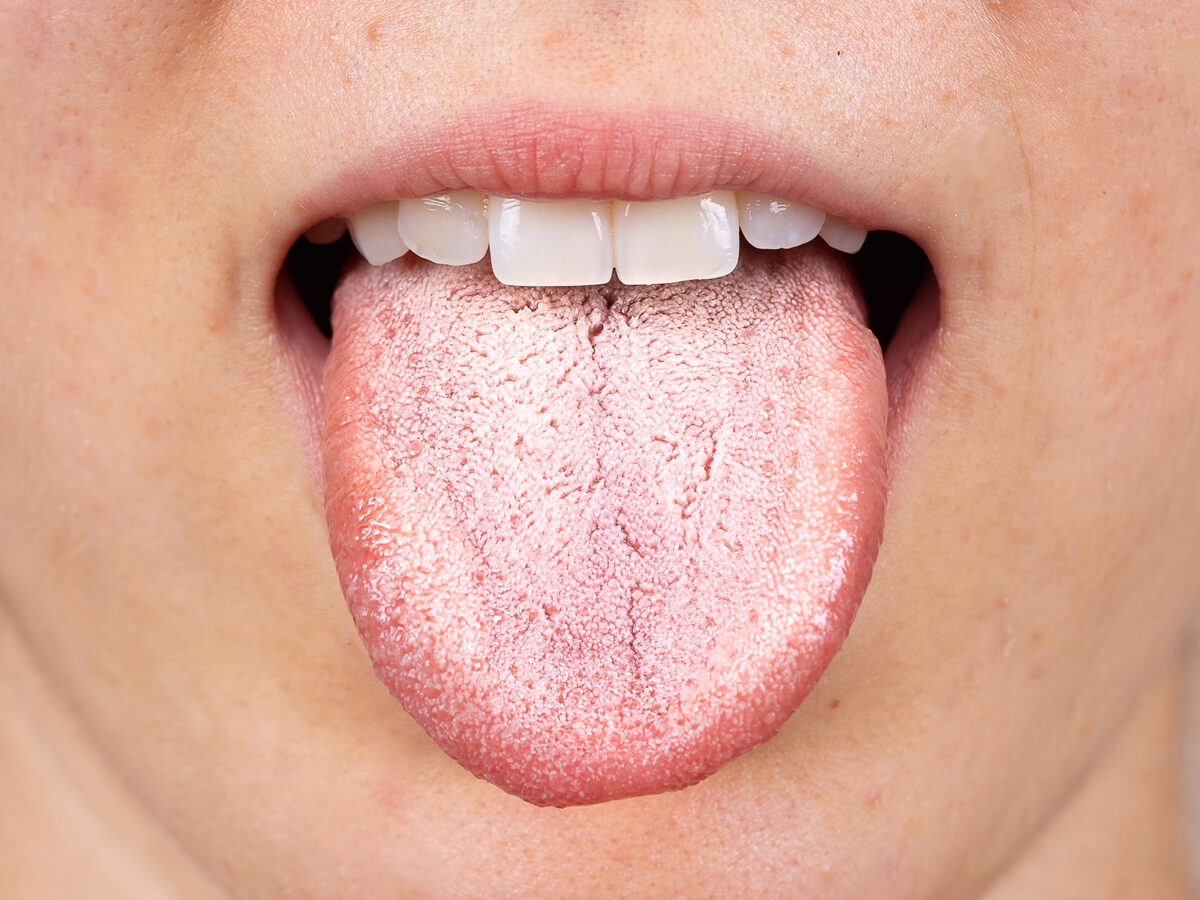
3. Drinking Water Alone May Not Solve It
Hydration is important, but dry mouth in winter is often caused by:
-
Reduced saliva production
-
Environmental dryness
-
Mouth breathing
Water may provide temporary relief, but it does not directly stimulate saliva production.
Saliva is produced by glands — not simply replaced by drinking fluids.

4. Mouth Breathing and Nasal Congestion
Colds, allergies, and sinus congestion are more common in winter.
Breathing through your mouth — especially during sleep — allows dry air to pass directly over oral tissues, leading to morning dryness.
Snoring and sleep apnea can also contribute to nighttime dry mouth.
5. Medications Used More Often in Winter
Certain medications reduce saliva production. Common examples include:
-
Antihistamines
-
Decongestants
-
Some antidepressants
-
Blood pressure medications
Because these are used more frequently during cold and flu season, dry mouth symptoms may worsen in winter.
6. Health Conditions That Affect Saliva
Persistent dry mouth can sometimes be linked to medical conditions, including:
-
Sjögren’s syndrome
-
Diabetes
-
Thyroid disorders
-
Autoimmune diseases
If dry mouth occurs year-round or is severe, a medical evaluation may be necessary.

Dehydration vs. Salivary Gland Slowdown
Many people assume dry mouth means dehydration. While dehydration can contribute, winter dry mouth is often due to:
-
Environmental moisture loss
-
Reduced gland activity
-
Medication effects
You can be adequately hydrated and still experience xerostomia.
Winter Habits That Can Make It Worse
Some seasonal habits may increase dryness:
-
Increased caffeine intake
-
Alcohol consumption
-
Alcohol-based mouthwashes
-
Very hot showers (which dry mucous membranes)
-
Spending long hours in heated indoor spaces
Small adjustments can help reduce symptoms.
What You Can Do at Home
Evidence-based strategies include:
✔ Use a Humidifier
Keep indoor humidity between 30–50%.
✔ Chew Sugar-Free Gum
Stimulates saliva production naturally. Choose gum with xylitol when possible.
✔ Avoid Alcohol-Based Mouthwash
Switch to alcohol-free oral rinses designed for dry mouth.
✔ Stay Hydrated
Sip water regularly, but understand it may not fully solve the issue.
✔ Use Saliva Substitutes
Over-the-counter saliva gels or sprays can provide temporary relief, especially at night.
✔ Limit Caffeine and Alcohol
Both can worsen dryness.

When Dry Mouth Is a Red Flag
Occasional winter dryness is common. However, seek medical advice if you experience:
-
Difficulty swallowing
-
Frequent cavities
-
Persistent sore throat
-
Cracked tongue or mouth sores
-
Unexplained weight loss
-
Excessive thirst and urination
These may signal underlying conditions such as diabetes or autoimmune disorders.
How to Talk to Your Doctor or Dentist
Before your appointment, note:
-
When dryness started
-
Whether it’s worse at night
-
Medications you take
-
Other symptoms
Your provider may recommend:
-
Medication adjustments
-
Prescription saliva stimulants
-
Testing for underlying conditions
Final Takeaway
Winter dry mouth is often caused by a combination of dry air, indoor heating, mouth breathing, and seasonal medication use. Drinking more water alone may not resolve it.
Managing humidity, stimulating saliva, and reviewing medications are practical first steps. If symptoms persist or worsen, consult a healthcare professional for proper evaluation.
Medical Disclaimer:
This article is for informational purposes only and does not constitute medical advice, diagnosis, or treatment. Always consult a qualified healthcare provider regarding medical concerns.