



In recent years, discussions about businesses relocating away from New York City have gained attention. While some narratives describe a large-scale “corporate exodus,” a closer, evidence-based look shows a more nuanced reality shaped by long-term economic trends, policy differences, and evolving workplace dynamics.

New York City’s Role as a Global Economic Hub
For decades, New York City has remained one of the world’s leading financial and commercial centers. It is home to Wall Street, a cornerstone of global finance, and hosts headquarters or major offices for firms in banking, media, technology, and professional services.
According to official data from organizations like the U.S. Bureau of Economic Analysis and New York State agencies, the city continues to generate substantial economic output and remains a key driver of the national economy.
Despite emerging challenges, its advantages include:
- Access to global financial markets
- A highly skilled and diverse workforce
- World-class infrastructure and institutions
- Strong cultural and international influence
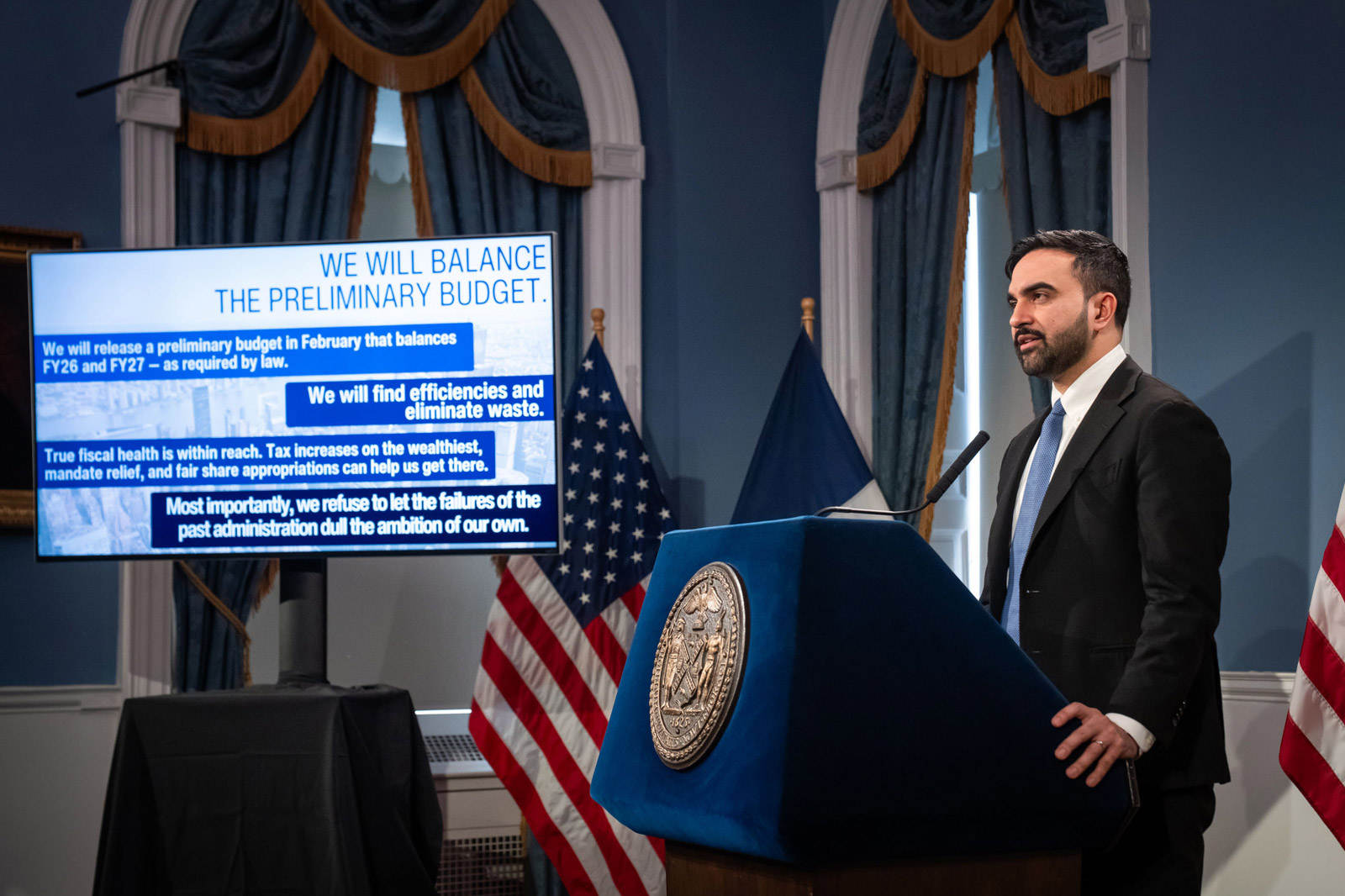
Business Relocation: What the Data Actually Shows
Business relocation is not a new phenomenon. Companies have always adjusted locations based on costs, workforce needs, and market opportunities. However, recent years—especially following the COVID-19 pandemic—have accelerated certain trends.
Key Verified Drivers of Relocation
1. Cost of Operations
New York City is consistently ranked among the most expensive cities in the United States. High commercial rents, labor costs, and taxes can influence companies—especially small and mid-sized firms—to explore alternatives.
2. Tax Policy Differences
States such as Texas and Florida are often cited in official economic reports as offering lower overall tax burdens. These differences can be a factor in long-term financial planning for businesses.
3. Remote and Hybrid Work
The pandemic significantly changed workplace models. Many companies now operate with remote or hybrid teams, reducing the need for large офис spaces in high-cost urban centers.
4. Talent Distribution
Skilled workers are increasingly spread across multiple regions. This allows companies to recruit talent without being tied to a single geographic location.

Popular Relocation Destinations
Several U.S. states have actively positioned themselves as business-friendly alternatives:
- Texas: Known for no state income tax and growing tech hubs like Austin
- Florida: Attracts finance and investment firms, particularly in Miami
- Tennessee: Offers lower costs and expanding business infrastructure
Economic development agencies in these states have invested in infrastructure and incentives to attract companies, contributing to gradual shifts in corporate geography.
Impact on New York’s Economy
Commercial Real Estate Trends
Data from real estate firms and city reports show that office vacancy rates in New York increased after 2020. While the market is stabilizing, demand patterns have changed, with many companies downsizing or redesigning office usage.
Employment and Business Activity
Despite some relocations, New York continues to see strong job creation in sectors like finance, technology, and media. According to official labor statistics, employment levels have been recovering and adapting rather than collapsing.
Tax Revenue Considerations
High-income earners and large corporations contribute significantly to the city’s tax base. Policymakers closely monitor migration patterns, as shifts in these groups can influence public revenue over time.

Policy Debate and Leadership
Public discussions often focus on how government policies affect business decisions. However, it is important to rely on verified information.
Some reports reference political figures such as Zohran Mamdani in connection with tax and economic policy debates. As with any policy discussion, outcomes depend on a combination of legislative actions, economic conditions, and market responses—not a single factor.
Experts generally agree that:
- Balanced tax policies are important for competitiveness
- Investment in infrastructure and public services supports long-term growth
- Predictable regulatory environments help businesses plan effectively
Is There a “Corporate Exodus”?
The term “corporate exodus” can be misleading if not supported by comprehensive data.
What credible evidence suggests:
- Some companies have relocated headquarters or expanded operations elsewhere
- Others maintain a strong presence in New York while diversifying locations
- Many industries—especially finance—remain deeply rooted in the city
There is no official data indicating a complete or rapid abandonment of New York City by businesses. Instead, the trend reflects gradual geographic diversification.
Why New York Still Remains Competitive
Despite increased competition from other states, New York retains several unmatched strengths:
- Global financial leadership
- Access to international markets
- Concentration of major corporations and institutions
- Cultural and economic influence
Historically, the city has adapted to major economic shifts, including financial crises and technological changes.

The Bigger Picture: Economic Evolution
Rather than a decline, many economists describe the current situation as a period of transition.
Key trends shaping the future include:
- Distributed workforces
- Multi-city corporate strategies
- Increased competition between states
- Focus on quality of life and affordability
These shifts are not unique to New York but are part of broader national and global changes.
Conclusion
New York City is not facing a sudden or unverified collapse of its economic foundation. Instead, it is navigating a complex transition influenced by cost structures, policy differences, and evolving work patterns.
While some businesses are choosing to expand or relocate to states like Texas or Florida, New York remains a dominant global economic center with strong fundamentals.
The real question is not whether the city is declining, but how it will continue to adapt in a more competitive and flexible economic landscape.
As history has shown, New York’s resilience lies in its ability to evolve—and that process is already underway.