

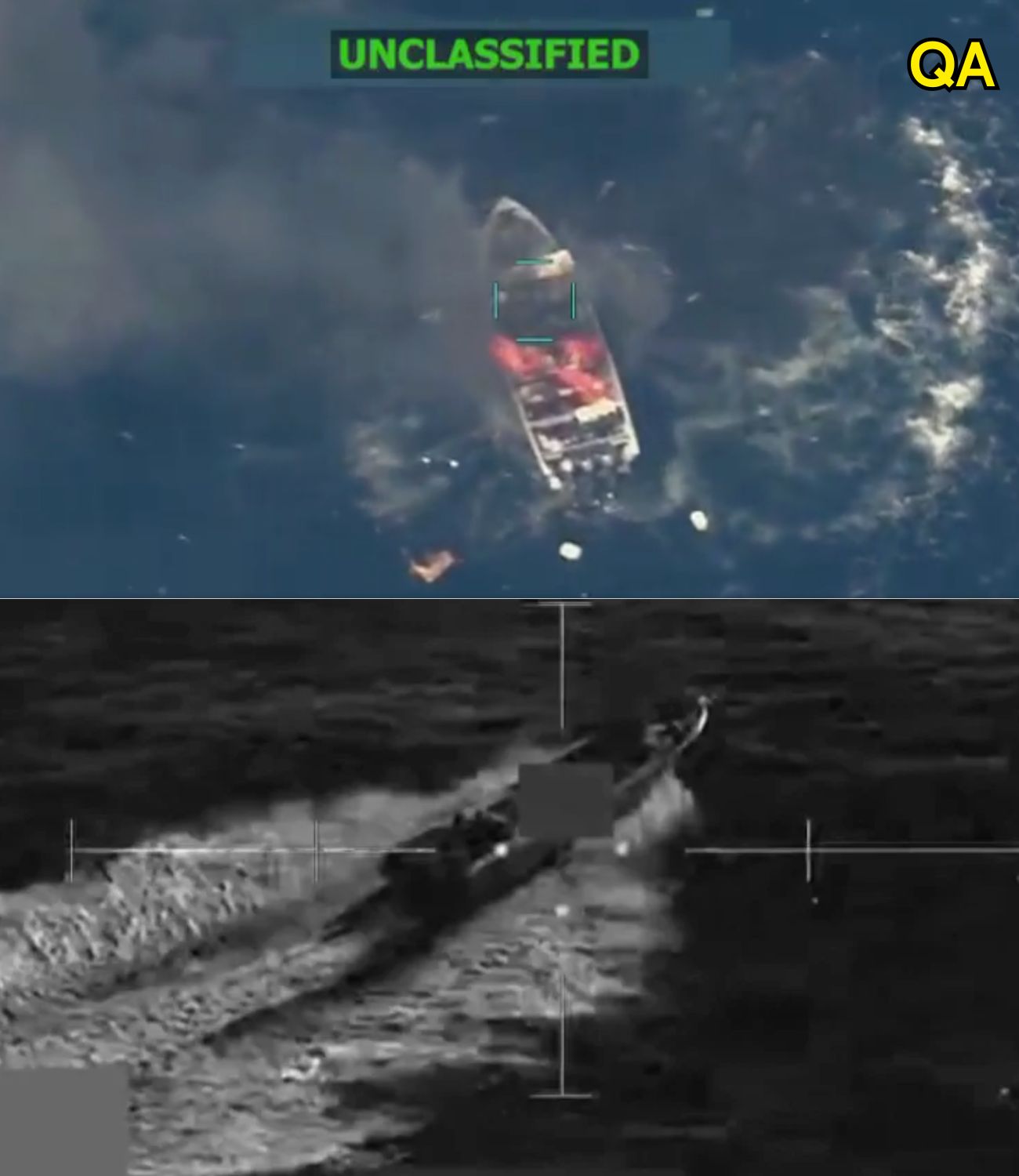
Far from busy ports and crowded coastlines, the Caribbean Sea stretches across vast and often difficult-to-monitor waters. In this region, international forces routinely carry out operations aimed at addressing illicit maritime activity.
A recent report from United States Southern Command described an operation involving a vessel suspected of transporting illegal narcotics. The event, part of Operation Southern Spear, highlights the ongoing challenges of maintaining maritime security in an interconnected world.
While such incidents may seem sudden, they are typically the result of long-term surveillance, intelligence gathering, and coordinated planning.

The Global Context of Maritime Trafficking
Why the Ocean Is a Key Route
Oceans cover more than 70 percent of the Earth’s surface, making them essential for global trade. Unfortunately, this vast network also provides opportunities for illicit trafficking.
Small, fast-moving vessels are often used to transport illegal goods across international waters. These boats are designed to avoid detection, sometimes traveling at night or along remote routes far from commercial shipping lanes.
Regions like the Caribbean and the Eastern Pacific are especially significant due to their geographic position between major production and distribution zones.
The Role of International Cooperation
Addressing maritime trafficking requires cooperation among multiple countries and agencies. Organizations such as the United States Coast Guard frequently work alongside regional partners, including naval forces from countries like Ecuador.
These partnerships enable intelligence sharing, joint patrols, and coordinated responses, improving the effectiveness of operations at sea.
Understanding Operation Southern Spear
Objectives and Strategy
Operation Southern Spear is designed to reduce the flow of illegal substances through maritime routes. The operation focuses on identifying and intercepting vessels suspected of carrying illicit cargo.
This effort relies on a combination of surveillance technology, intelligence analysis, and coordinated action between air and naval units.
The Role of Technology
Modern maritime security operations depend heavily on advanced technology. Radar systems, aerial surveillance, and satellite imaging help detect unusual patterns of movement across large ocean areas.
These tools allow authorities to monitor vast regions efficiently and identify vessels that behave differently from normal maritime traffic.

The Human Dimension
Risks Faced at Sea
Operating in open water presents significant challenges. Small vessels often travel long distances in unpredictable conditions, facing risks from weather, mechanical issues, and isolation.
From a broader perspective, these situations highlight the human side of global trafficking networks. Some individuals involved may be influenced by economic hardship or organized systems beyond their control.
Legal and Ethical Considerations
Maritime operations are governed by international law, which outlines how actions can be taken in international waters. Authorities must balance enforcement with humanitarian considerations.
Search and rescue efforts are often initiated when possible, reflecting longstanding maritime traditions of assisting those in distress at sea.
Regional Naval Presence
Forces in the Area
The Caribbean and surrounding waters are regularly patrolled by naval forces tasked with maintaining security. Ships such as USS Lake Erie (CG-70) and USS Stockdale (DDG-106) support a range of missions, including surveillance and maritime security operations.
These vessels are equipped with advanced systems that allow them to monitor large areas and respond quickly to emerging situations.

Strategic Resource Allocation
Naval deployments are constantly adjusted based on global priorities. When attention shifts to other regions, the number of assets available in a specific area may change.
This flexibility reflects the interconnected nature of modern security challenges, where decisions in one region can influence operations elsewhere.
Scientific and Analytical Perspectives
Data and Pattern Analysis
Efforts to combat trafficking rely heavily on data analysis. Experts study shipping routes, environmental conditions, and historical trends to identify patterns and predict where suspicious activity might occur.
This approach, often referred to as predictive analysis, helps authorities allocate resources more effectively and respond to potential threats.
Environmental Considerations
Maritime operations also intersect with environmental concerns. Increased activity in certain regions can impact marine ecosystems, making it important to balance enforcement with conservation.
Ongoing research focuses on minimizing ecological impact while maintaining effective security measures.
![DVIDS - Images - Coast Guard Cutter Dependable intercepts drug boat in Eastern Pacific Ocean [Image 4 of 4]](https://d1ldvf68ux039x.cloudfront.net/thumbs/photos/1705/3355562/2000w_q95.jpg)
Myth, Perception, and Reality
The Image of the “Narco Boat”
Public perception of trafficking vessels is often shaped by media portrayals, which can emphasize speed and secrecy. While these elements are sometimes accurate, the reality is often more complex.
Many vessels used in such operations are relatively simple, relying on low visibility rather than advanced technology.
The Importance of Balanced Understanding
Accurate reporting and informed discussion are essential for understanding maritime security. By examining both operational details and broader context, a clearer and more balanced perspective emerges.
Toward Safer Seas
Strengthening Prevention
Reducing maritime trafficking involves more than interception. Long-term solutions include addressing underlying factors such as economic conditions, demand, and organized networks.
Education, international cooperation, and policy development all play important roles in prevention.
Continued Research and Adaptation
As technology and global conditions evolve, so must strategies for maintaining maritime security. Ongoing research into data analysis, surveillance systems, and human behavior supports more effective responses.
Adaptability remains a key factor in addressing future challenges.
Conclusion: Curiosity and Understanding in a Complex World
The operation reported by United States Southern Command is part of a larger story about global security, cooperation, and the challenges of monitoring vast ocean spaces.
While the details are complex, the underlying message is clear: maintaining safe and open waterways requires continuous effort, innovation, and collaboration.
Human curiosity drives us to explore and understand these systems. By approaching such topics with balance and thoughtful analysis, we gain deeper insight into the forces shaping our interconnected world.
Sources
USNI News – “4 Killed in Strike on Suspected Narco Boat” by Heather Mongilio
United States Southern Command – Official statements and updates
United States Coast Guard – Maritime security operations
United Nations Office on Drugs and Crime – Global trafficking reports