
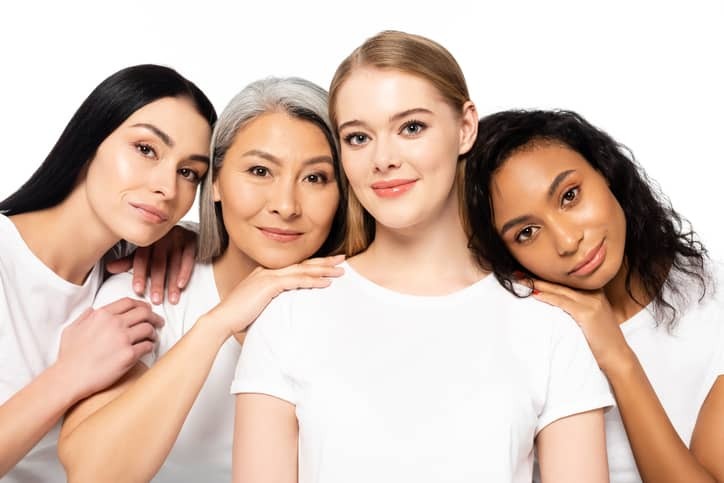
For decades, beauty was often defined by narrow and rigid standards. Images in media, fashion, and entertainment promoted a limited view of what was considered attractive. However, in today’s evolving cultural landscape, these definitions are being questioned and expanded. People are beginning to recognize that beauty is not a single ideal but a diverse and deeply personal experience. The conversation around body image and attraction has become more inclusive, reflecting a broader understanding of human preferences and identities.
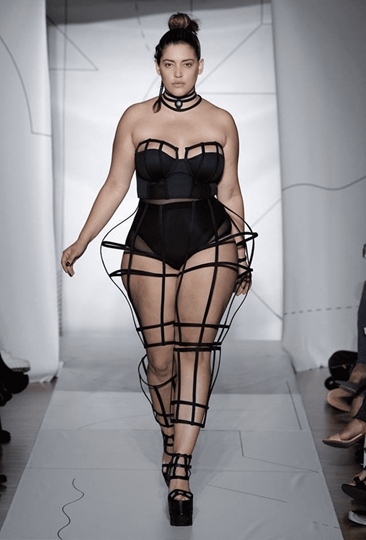
The Evolution of Beauty Standards
Beauty standards have never been fixed. They have changed across time, cultures, and societies. What was considered attractive in one era may differ greatly from another. Historically, different body types have been celebrated in various cultures, showing that attraction is influenced by context rather than a universal rule.
In modern society, increased access to global perspectives through social media and digital platforms has accelerated this shift. People are now exposed to a wider range of appearances, styles, and expressions, helping redefine what beauty means on an individual level.
The Rise of Body Positivity
The body positivity movement has played a major role in reshaping how people view themselves and others. It encourages acceptance of all body types and promotes the idea that self-worth is not determined by appearance alone.
This movement has helped normalize conversations about diversity in size, shape, and physical features. It also challenges unrealistic expectations that were once widely accepted. As a result, more individuals feel empowered to embrace their natural bodies without comparison or judgment.
Understanding Attraction Beyond Stereotypes
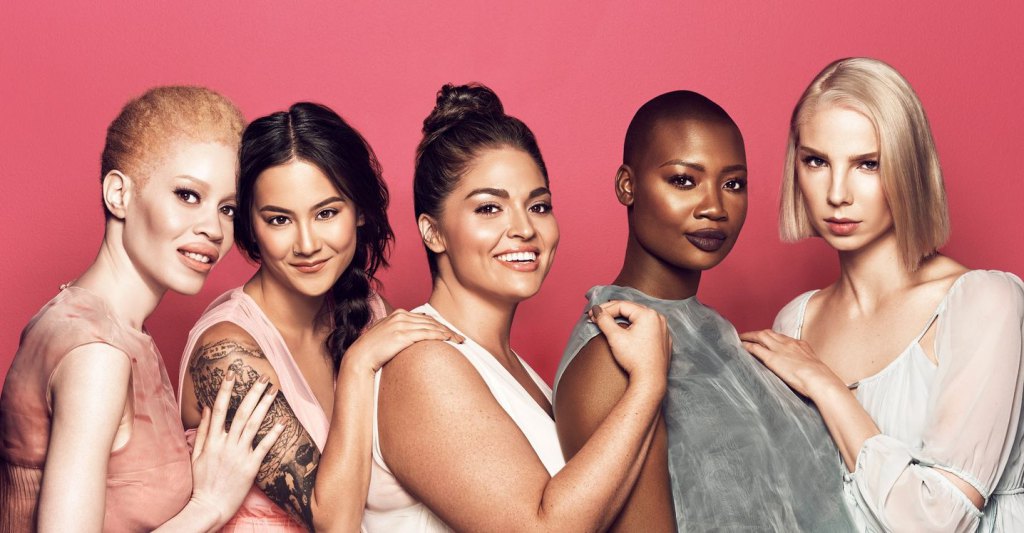
Attraction is complex and influenced by many factors, including personality, confidence, culture, and personal experiences. While traditional standards often focused on a specific body type, modern perspectives recognize that people are drawn to a wide variety of physical traits.
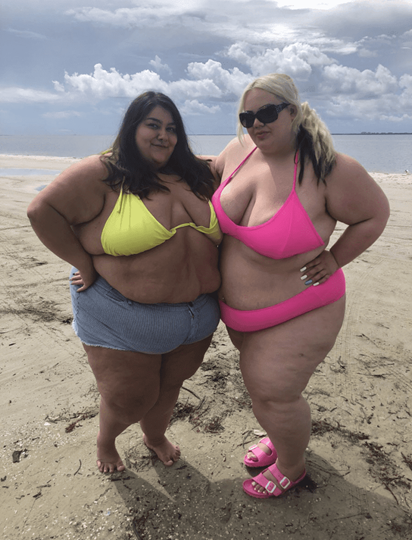
One area gaining attention is the appreciation of larger body types. This form of attraction, once misunderstood or stigmatized, is now being openly discussed as part of the natural diversity of human preferences. Rather than being seen as unusual, it is increasingly recognized as one of many valid expressions of attraction.
Media Representation and Its Impact
Media plays a powerful role in shaping perceptions of beauty. In recent years, there has been a noticeable shift toward more inclusive representation. Advertisements, films, and social media platforms are beginning to feature individuals of different sizes, backgrounds, and identities.
This broader representation helps challenge outdated norms and allows people to see themselves reflected in the world around them. It also contributes to a more realistic and relatable understanding of beauty.
The Role of Confidence and Self-Expression
Confidence is often one of the most attractive qualities a person can have. When individuals feel comfortable in their own skin, it naturally influences how they present themselves and how others perceive them.
Self-expression, whether through fashion, lifestyle, or personal choices, allows people to define their own version of beauty. This shift away from conformity encourages authenticity and individuality.
Breaking Misconceptions
Despite progress, misconceptions about body image and attraction still exist. Some people may struggle to understand preferences that differ from traditional norms. However, education and open dialogue can help bridge this gap.
Recognizing that attraction is subjective allows for greater acceptance and respect. It also helps create a more inclusive environment where individuals feel valued regardless of their appearance.

Cultural Influence on Attraction
Culture plays a significant role in shaping perceptions of beauty. Different societies have unique standards that reflect their values and traditions. As cultures interact and influence one another, these standards continue to evolve.
Globalization has contributed to a more diverse understanding of attraction, allowing people to appreciate differences rather than conform to a single ideal.
The Importance of Inclusivity
Inclusivity in beauty standards is not just about representation; it is about acceptance. When people feel included, they are more likely to develop positive self-esteem and confidence.
Creating inclusive spaces—both online and offline—encourages individuals to express themselves freely and embrace their uniqueness. This shift benefits not only individuals but also society as a whole.

Conclusion: Embracing Diversity in Beauty
The concept of beauty is no longer confined to a single definition. It is a dynamic and evolving idea shaped by culture, experience, and personal preference. As society continues to move toward inclusivity, it becomes clear that attraction exists in many forms.
By embracing diversity and challenging outdated standards, we create a world where everyone has the opportunity to feel seen, valued, and confident. Beauty, in its truest sense, lies in individuality and the freedom to define it for oneself.