

When Shower Silicone Mildew Becomes a Persistent Problem
Understanding Shower Silicone Mildew: Causes and Significance
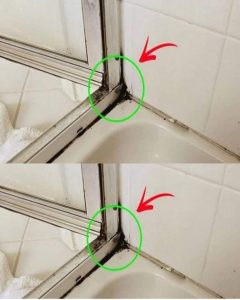
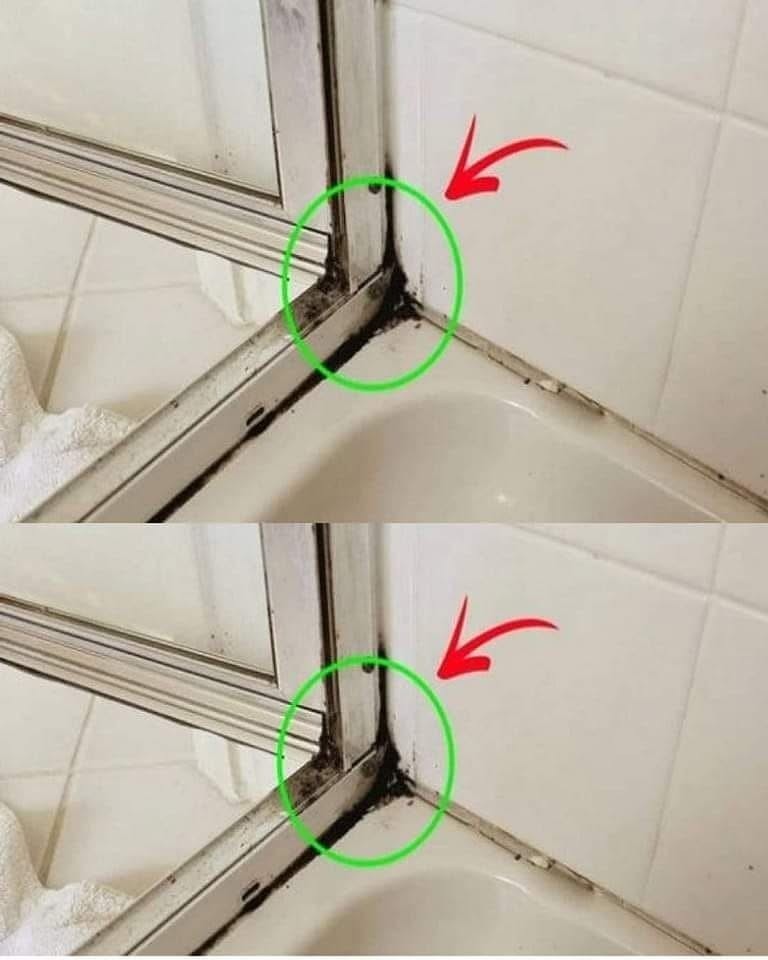
Shower silicone mildew—often appearing as black or dark patches along the silicone joints between tiles or around shower doors—is a common household issue. However, its presence is more than a cosmetic concern. Persistent mildew indicates ongoing moisture retention, ventilation shortcomings, and potentially the breakdown of essential waterproofing materials in your bathroom.
Mildew, a form of mold, thrives in damp, warm, and poorly ventilated environments. Bathrooms, especially showers, provide these ideal conditions, allowing mold spores to settle on silicone sealants. Over time, the combination of residual water, soap scum, and humid air supports mildew growth that not only mars your bathroom’s appearance but can also degrade the physical integrity of silicone seals.
Risks Associated with Lingering Shower Mildew
Allowing mildew to persist on shower silicone carries several risks:
- Structural Damage: As mildew penetrates, it can compromise the effectiveness of the silicone, leading to leaks that damage underlying walls, flooring, and fixtures.
- Health Concerns: While small amounts of mildew are generally not a significant risk for healthy adults, the CDC notes that prolonged exposure may contribute to respiratory issues in sensitive individuals, such as those with asthma or allergies.
- Costly Repairs: Delayed cleaning or replacement of mold-infected silicone may translate to expensive repairs—especially if water makes its way underneath tiles or into drywall.
Evaluating the Extent of Mildew Damage
Expert home maintenance guidelines recommend assessing mildew presence systematically before attempting cleaning or repairs. Look for:
- Extent: Are the affected areas limited to a few spots, or is there widespread discoloration?
- Depth: Surface mildew may be easily removed, while deeply ingrained stains or softened, brittle silicone suggests that the sealant has lost integrity and might require replacement.
- Recurrence: Regular reappearance of mildew points to ongoing moisture problems, insufficient ventilation, or cleaning methods that fail to remove root causes.
Understanding the scope of the issue will determine whether do-it-yourself remedies are sufficient or if professional intervention is needed.
Choosing the Right Cleaning Supplies for Shower Silicone Mildew
Not all household cleaners are effective—or advisable—for tackling silicone mildew. Commercial chemical cleaners may be harsh and, in some cases, can damage bathroom materials or harm air quality. According to recommendations from the U.S. Environmental Protection Agency (EPA), natural alternatives such as white vinegar and baking soda provide effective, safer solutions for most mildew issues.
Gather the following items before cleaning:
- White vinegar (natural disinfectant to break down mold)
- Baking soda (mild abrasive to lift stubborn stains)
- Warm water (helps dissolve residue and activate ingredients)
- Spray bottle (for targeted application)
- Small brush or toothbrush (for detailed scrubbing)
- Clean cloth or microfiber towel (for thorough drying)
Effective Cleaning Technique: Step-by-Step Guidance
- Preparation: Open a window or use a fan for ventilation. Remove any personal items from the shower.
- Apply Vinegar: Fill a spray bottle with undiluted white vinegar. Generously spritz the affected silicone seams. Let it sit for 15–30 minutes to penetrate mildew colonies.
- Scrub with Baking Soda: Dip a soft brush or toothbrush in baking soda and gently scrub the mildew stains. The gentle abrasion helps dislodge mold without harming the silicone.
- Rinse Thoroughly: Use warm water to rinse away loosened debris and cleaner residue.
- Dry Completely: Wipe down the area with a dry towel. Ensuring the silicone is fully dry is essential to preventing new mildew growth.
In cases of persistent, deeper stains, repeat the process or consider a commercial bathroom mildew remover approved for use on silicone. Always follow manufacturer guidelines for any cleaning product.
Moisture Control: Key to Long-Term Mildew Prevention
Cleaning alone cannot guarantee mildew will not return. Strong prevention strategies are critical:
- Improve Ventilation: Install or upgrade an exhaust fan, and use it during and after showers to dissipate moisture-laden air.
- Wipe Down Surfaces: After showering, use a squeegee or towel to remove water from walls, glass, and silicone joints.
- Seal Leaks: Repair dripping faucets and ensure all seals are watertight to avoid persistent dampness.
- Use Mold-Resistant Silicone: When replacing old sealant, select a high-quality, mold-resistant silicone product for added protection.
- Routine Cleaning: Make mildew prevention part of weekly cleaning, paying special attention to corners and seams where water collects.
Many homeowners overlook the impact of regular drying and air circulation, yet these are among the most powerful preventive steps.
When to Replace Shower Silicone
If cleaning does not resolve the issue, or if you notice that silicone feels sticky, crumbly, or detached from the surface, removal and replacement may be necessary. Professional plumbers or qualified contractors can safely remove old sealant, address any hidden moisture damage, and reapply new silicone for a watertight finish. This proactive step prevents extensive long-term water damage and inhibits mold regrowth.
Safety Precautions for Mold and Mildew Removal
Your safety is paramount. Do not mix cleaning agents—especially vinegar and chlorine bleach—as this combination creates toxic fumes that are hazardous to your health. Wear gloves, goggles, and a mask if you are sensitive to cleaning chemicals or mold spores. Dispose of any contaminated cleaning materials promptly.
If the affected area is greater than 10 square feet, or if you have health concerns, the EPA advises consulting a mold remediation specialist.
Global Perspectives and Health Expert Opinions
Mildew control in wet environments is a concern not only for aesthetic reasons but also for public health. The World Health Organization (WHO) highlights that excessive household dampness and poor ventilation can contribute to various respiratory illnesses. Internationally, best practices emphasize the importance of moisture management, proper construction, and the use of quality materials to prevent chronic issues.
Environmental health agencies in Europe and North America consistently recommend increased awareness of “hidden” bathroom mold sources, including silicone joints and caulking. Regular inspections, prompt interventions, and continuous air flow are part of integrated mold prevention programs endorsed by health professionals globally.
Common Myths and Misconceptions about Shower Mildew
- Myth: All black stains in the shower are dangerous mold.
Fact: Most mildew on silicone is a surface fungus that responds well to cleaning; dangerous “toxic molds” are less common in bathrooms but should be addressed if suspected. - Myth: Bleach is always the best cleaning agent.
Fact: While bleach can lighten stains, it may not penetrate silicone or control mildew roots. Natural acid-based products like vinegar often achieve better long-term results. - Myth: Mildew always means poor housekeeping.
Fact: Even well-maintained bathrooms can develop mildew due to humidity, cool surfaces, or aged sealants.
Summary: Staying Ahead of Persistent Shower Silicone Mildew
Persistent shower silicone mildew is both a nuisance and a warning sign of bigger moisture or ventilation problems. Addressing mildew promptly with effective, non-toxic cleaners preserves your bathroom’s appearance and structure. Combining cleaning with diligent moisture control—including ventilation upgrades and regular drying—offers the best chance for long-term success. Recognize when sealant replacement is needed, and always prioritize safe cleaning practices. As health experts and building professionals worldwide agree, early intervention reduces risks and saves costs, ensuring a healthy home environment.
For homeowners, these integrated steps not only restore cleanliness but also contribute to a mold-resistant, durable bathroom for years to come.
Sources
- Centers for Disease Control and Prevention (CDC): Mold FAQs
- U.S. Environmental Protection Agency: Mold Cleanup Tips
- World Health Organization: Household Air Pollution and Health
- Mayo Clinic: Bathroom Mold and Health
- BBC: How to Beat Bathroom Mould
- Reuters: Mold in American Homes
- The Guardian: How to Get Rid of Mildew in Bathrooms
Disclaimer: This content is intended for entertainment purposes only and is not based on real events.