


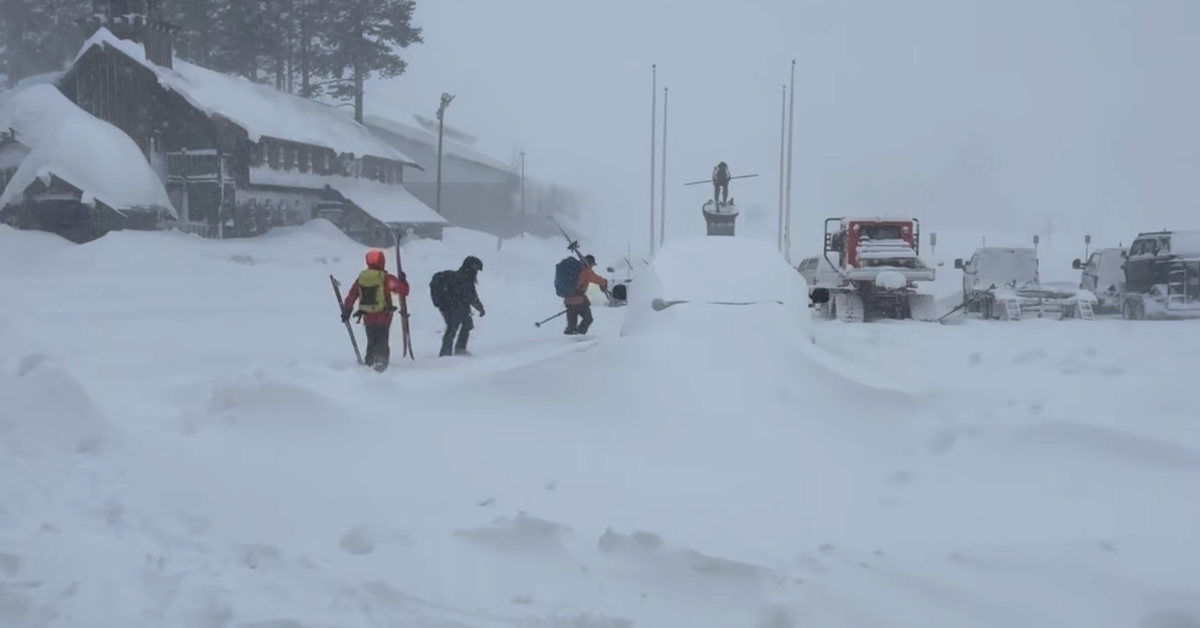
Nearly six months after nine people died in the deadliest avalanche in modern California history, the company that led the trip has released its own account of what happened on the mountain that February morning.
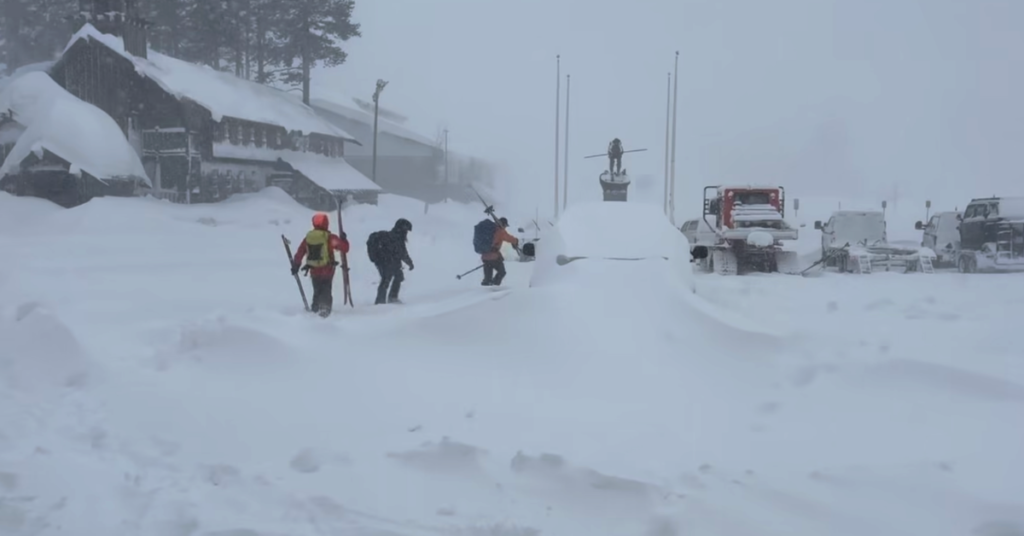
Nearly six months after nine people died in the deadliest avalanche in modern California history, Blackbird Mountain Guides has released its own detailed account of what happened on the mountain that February morning. The incident, which occurred near Castle Peak in the northern Sierra Nevada, has become a central case study for avalanche professionals, backcountry skiers, and safety organizations seeking to understand how a guided trip ended in such a severe tragedy.
Truckee-based Blackbird Mountain Guides published a report outlining the events of February 17, when a group returning from the Frog Lake Huts was caught in a massive slide on the final morning of a three-day backcountry ski tour. The report provides the company’s reconstruction of the day, including route choices, snowpack conditions, and decision-making under rapidly changing weather, while also acknowledging the continuing emotional impact on survivors, families, and the broader mountain community.
Background on the Castle Peak Avalanche
The avalanche took place near Castle Peak, a prominent backcountry skiing destination located northwest of Lake Tahoe and close to Donner Summit, an area known for significant snowfall and complex avalanche terrain. On February 17, a large, storm-related avalanche was triggered as a guided group traveled through the area during the final leg of their trip from the Frog Lake Huts, a popular hut system used for multi-day ski tours.
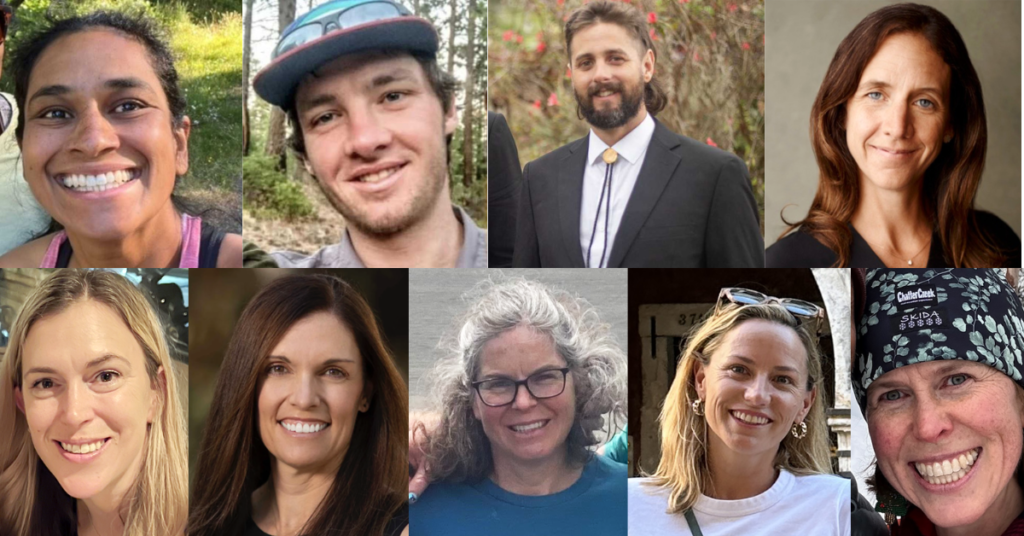
The slide killed nine people: six paying clients and three Blackbird guides. Six other members of the group survived, including two individuals who were fully buried and later rescued by nearby skiers and members of the party. The loss of life made this event one of the most serious avalanche accidents in the United States in recent years and the deadliest in modern California history.
In the immediate aftermath, local authorities, avalanche forecasters, and workplace safety regulators began formal investigations. The incident drew national attention, not only because of the number of fatalities but also because it involved a professional guiding operation in an area where avalanche risk is closely monitored and widely communicated.
Blackbird Mountain Guides’ Internal Report
Blackbird’s newly released report focuses on explaining how the group planned the day, what terrain they attempted to avoid, and how they interpreted the weather and avalanche forecasts. Rather than assigning or accepting blame, the document aims to present the company’s understanding of the decisions made and the context in which those decisions occurred.
According to the report, the guides and clients were attempting to return to the trailhead in deteriorating storm conditions. The group tried multiple route options in an effort to reduce exposure to the highest-risk slopes. One section of the report is titled, “The Group Attempted to Avoid Avalanche Runout Zone, but the Creek Crossing Was Blocked,” emphasizing that terrain constraints and obstacles influenced the final line they chose.
Blackbird’s account describes how the party sought safer, lower-angle terrain but encountered a blocked creek crossing that forced them to reconsider their options. The report states that, as the guides re-evaluated the terrain, they believed they were traversing slopes that were similar in character to areas they had already crossed without incident earlier that day.
Terrain Recognition and Group Spacing
One of the critical elements highlighted in the Blackbird report is the issue of terrain recognition and how it influenced group spacing. The document addresses why the skiers were relatively close together when the avalanche occurred, despite standard avalanche safety guidance that often recommends spreading out in hazardous zones to reduce the number of people exposed at one time.
“The most likely explanation for the lack of spacing between skiers was that the guides did not recognize that they were in an avalanche path. The tight tree spacing, trees between the group and the start zone above, and the similarity to the terrain that they had just been crossing does not make the path easily recognizable,” the report reads.
This passage underlines a challenge that avalanche educators frequently discuss: avalanche paths are not always obvious, especially in forested terrain or during heavy storms when visibility is reduced. According to avalanche safety organizations such as regional avalanche centers and professional guide associations, dense trees can both obscure start zones and create a false sense of security, even when slopes remain steep enough to slide.
In this case, the Blackbird report suggests that the visual cues typically used to identify an avalanche path—such as open slopes, visible start zones, or clear fall lines—were partially masked by tight trees and the continuity of the forested terrain. As a result, the group was traveling more closely together than they might have been had they clearly recognized they were within a defined avalanche track.
Sierra Avalanche Center’s Findings
The company’s account follows the Sierra Avalanche Center’s final report, released in April. The Sierra Avalanche Center (SAC) is the regional forecasting and accident investigation authority for the central Sierra Nevada, providing daily avalanche forecasts and post-incident analyses based on standardized methods used across North America.
SAC’s report examined the meteorological conditions, the snowpack structure, and the group’s travel decisions. It noted that the avalanche occurred during an intense storm cycle, with heavy snowfall, strong winds, and rapidly increasing avalanche danger. Under such conditions, avalanche forecasters commonly stress that human-triggered avalanches are likely, and that conservative terrain choices—such as avoiding large, steep slopes and staying away from runout zones—are critical.
In its written analysis, the Sierra Avalanche Center questioned the size of the group and aspects of its route choice, specifically pointing out that the skiers were moving close together in avalanche terrain during a period of heightened hazard. Larger groups can present additional challenges for risk management, communication, and group spacing, as guides must supervise and coordinate multiple people who may have varying skill levels and levels of fatigue.
Blackbird Mountain Guides responded at the time that the SAC report did not include all of the information still being gathered through interviews, equipment inspections, and internal reviews. The newly released company report represents its attempt to fill in some of those gaps and provide a more detailed narrative from the guides’ perspective.
Ongoing Cal/OSHA Investigation
Within days of the avalanche, the California Division of Occupational Safety and Health (Cal/OSHA) opened an investigation into Blackbird Mountain Guides. As a state workplace safety regulator, Cal/OSHA reviews incidents in which employees are killed or seriously injured on the job, including guide operations in outdoor environments.
The Cal/OSHA review is part of a broader set of official inquiries into the tragedy. Such investigations typically look at training protocols, risk management procedures, communication systems, and compliance with relevant workplace safety regulations. They may also analyze whether employees had appropriate equipment, whether known hazards were addressed adequately, and how emergency response unfolded.
As of the time of writing, formal reviews of the incident remain ongoing. No final regulatory findings or penalties have been publicly announced, and Blackbird’s internal report acknowledges that its own analysis exists alongside these official processes rather than replacing them.
Impact on the Backcountry Community
For the North American backcountry skiing and snowboarding community, the Castle Peak avalanche has become a focal point for reflection. Many skiers are familiar with the Donner Summit region and the Frog Lake Huts, and the involvement of professional guides has prompted renewed discussion about the complex balance between seeking adventure and managing objective hazards in the mountains.
Professional avalanche educators and guiding organizations often examine major incidents in detail in order to improve training and decision-making frameworks. While each event is unique, experts commonly highlight recurring themes such as route-finding under pressure, interpreting avalanche forecasts, understanding storm-related instability, and recognizing subtle signs of avalanche terrain.
The Blackbird report adds one more piece to this ongoing discussion by clarifying the guides’ thought process and describing how obstacles, such as the blocked creek crossing, influenced their choices. Many in the community see value in transparent, fact-based accounts, as they enable guides, recreational users, and avalanche forecasters to identify specific areas where communication, education, or procedures might be strengthened.
Lessons and Broader Context
While Blackbird’s report does not explicitly frame its narrative as a list of lessons learned, several themes emerge that align with long-standing guidance from avalanche safety experts and international best practices in mountain guiding.
First, storm conditions can rapidly elevate avalanche danger. Organizations such as the American Avalanche Association and regional avalanche centers emphasize that heavy snowfall, strong winds, and rising temperatures can create unstable slabs of snow that are prone to human triggering, especially on steep slopes. During such periods, many experts advocate for particularly conservative terrain choices, including sticking to low-angle slopes well away from known paths and runout zones.
Second, terrain recognition remains one of the most challenging skills for both recreational users and professionals. Even in well-traveled areas, complex forest cover, rolling topography, or limited visibility can conceal the true scale of a slope or its connection to a larger avalanche path above. Avalanche education materials often stress the need to read the broader landscape, not just the immediate area around a group, and to assume that dense trees do not automatically guarantee safety.
Third, group management and spacing are recurring topics in avalanche safety courses. Spreading out while traveling through potential avalanche terrain can reduce the number of people caught in a single slide and increase the likelihood that someone remains unburied and able to perform a rescue. However, maintaining spacing can be difficult in poor visibility, in challenging snow, or when navigating obstacles such as creeks and dense trees, especially with larger groups.
Finally, the Castle Peak tragedy underscores how even highly experienced professionals are vulnerable to complex and fast-changing mountain environments. Guiding companies and avalanche centers around the world frequently review high-profile incidents in order to refine training, update route plans, and reinforce a culture of continual learning and open communication about risk.
International and Professional Reactions
Although this incident occurred in California, its implications reach beyond the state and even beyond the United States. International mountain guiding and avalanche safety communities regularly monitor serious accidents worldwide, using them as case studies for professional development and education.
Guides and avalanche professionals in other mountainous regions—such as the European Alps, the Canadian Rockies, and Japan’s Hokkaido region—have expressed interest in the official reports from the Sierra Avalanche Center and the internal account from Blackbird. Many professional bodies encourage their members to read detailed accident reports as part of ongoing certification and re-certification processes, viewing these documents as essential resources for refining their understanding of risk in complex terrain.
At the same time, organizations stress the importance of approaching such analyses with respect for the victims and their families. Publicly available reports typically focus on verifiable facts, weather and snowpack data, and documented decision-making, rather than speculation. This emphasis on factual, non-sensational reporting is consistent with broader efforts to ensure that discussions of avalanche accidents remain constructive and educational.
A Continuing Story for Years to Come
For the families and friends of those who died, as well as the survivors and first responders who were involved, the February avalanche near Castle Peak is a deeply personal and painful event. For the broader mountain community, it is also a sobering reminder of the inherent risks of traveling in avalanche terrain, even with professional guidance and careful planning.
The publication of Blackbird Mountain Guides’ internal report adds a significant new layer to the public record, complementing the Sierra Avalanche Center’s technical analysis and the ongoing Cal/OSHA investigation. Together, these documents are likely to be studied for years by guides, avalanche educators, and backcountry users seeking to understand how such a devastating outcome occurred and how similar tragedies might be prevented in the future.
As additional official findings emerge, the conversation around guided backcountry travel, avalanche education, and risk management will continue to evolve. The hope among many in the community is that transparent, fact-based reporting and careful reflection can lead to improvements in training, communication, and decision-making processes, ultimately enhancing safety for everyone who ventures into snowy, mountainous terrain.
Sources
Disclaimer: This content is intended for entertainment purposes only and is not based on real events.