
Almost everyone has seen it.
A small white label sewn into the edge of a mattress, pillow, or cushion that boldly states:
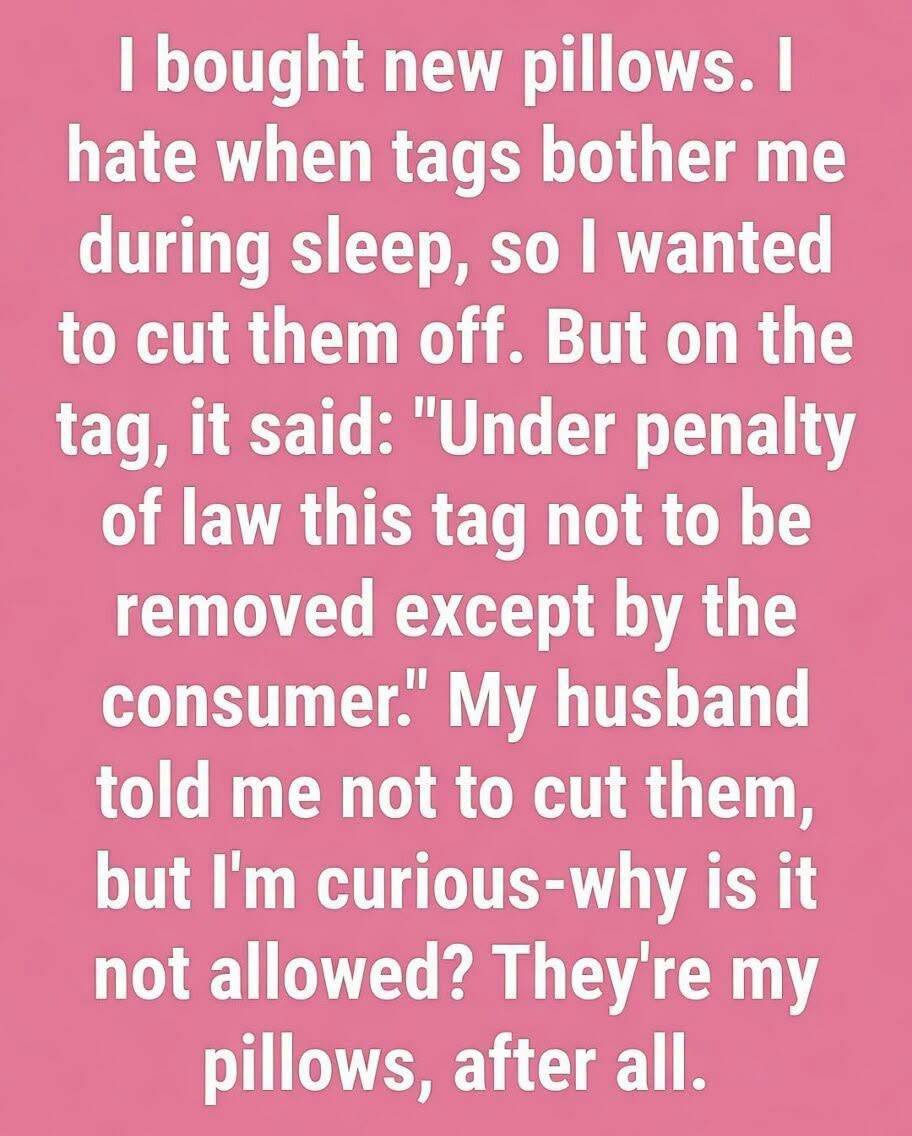
“Do Not Remove Under Penalty of Law.”
For generations, this warning has fueled one of the most persistent household myths. Many people grew up believing that cutting off this tag—even after bringing the mattress home—could somehow lead to legal trouble.
The message certainly sounds intimidating.
But is it actually illegal for consumers to remove the tag?
The answer may surprise you.
The famous warning was never intended for the average homeowner. Instead, it has a fascinating history rooted in consumer protection and product transparency.
Let’s explore where the label came from, why it exists, and what it really means today.
Where Did the Mattress Tag Myth Begin?
The misconception began because of the wording itself.
Seeing the phrase “Under Penalty of Law” naturally makes people assume the warning applies to everyone.
In reality, the label primarily targets businesses involved in manufacturing and selling bedding products—not the people who eventually purchase them.
The confusion has persisted for decades because most people only notice the large warning while overlooking the smaller print that often explains who the law actually applies to.
Why Were Mattress Labels Created?
To understand the purpose of these tags, it’s helpful to look back more than a century.
During the late 1800s and early 1900s, regulations governing bedding materials were far less developed than they are today.
Some manufacturers used inexpensive filling materials that varied widely in quality.
In response, governments introduced labeling requirements so buyers could understand what products contained and so businesses would accurately represent their materials.
The goal was transparency rather than punishment.
Consumers deserved to know what they were purchasing.
What Does “Under Penalty of Law” Actually Mean?
Most modern mattress and pillow labels include additional wording in smaller print.
Typically, the warning is directed toward:
- Manufacturers
- Importers
- Distributors
- Retailers
These businesses are generally required to keep the original label attached until the product reaches the final consumer.
Removing or replacing labels before sale could misrepresent the product’s contents or violate applicable labeling regulations.
Once the mattress legally belongs to you, those commercial labeling requirements generally no longer apply to your personal use.
Can Consumers Remove the Tag?
For most consumers in the United States, yes.
After purchasing the product, you are generally free to remove the tag if you choose.
Doing so is not considered a criminal offense simply because you own the mattress or pillow.
The warning exists to regulate commercial transactions—not ordinary household use.
That said, regulations may vary slightly by jurisdiction, especially for manufacturers and businesses, so commercial sellers should always follow applicable federal and state labeling laws.

Why Keeping the Tag Can Still Be Useful
Although you are generally allowed to remove the tag, many people choose to leave it attached for practical reasons.
The label often contains valuable information.
Material Composition
Many tags identify what the product contains, such as:
- Cotton
- Polyester fiber
- Memory foam
- Latex
- Down or feathers
This information may be helpful if you have allergies or simply want to know what materials you’re using.
Care Instructions
Many bedding labels include recommendations for:
- Cleaning
- Drying
- Spot treatment
- Storage
Removing the tag means losing these instructions unless you’ve recorded them elsewhere.
Manufacturing Information
Labels often include:
- Manufacturer identification
- Factory registration numbers
- Product model information
- Country of manufacture
These details may become useful if you ever need warranty service or customer support.
Why Donation Centers Often Prefer Tags
If you eventually donate or resell a mattress, pillow, or cushion, keeping the original label may be beneficial.
Some charities and secondhand organizations prefer—or even require—products with intact labels because they provide useful information about:
- Materials
- Manufacturing details
- Product identification
Policies vary by organization, and many donation centers also have hygiene requirements or restrictions on accepting used mattresses regardless of labeling.
Checking local donation guidelines before donating is always a good idea.
The Role of Consumer Protection
The mattress label represents an important chapter in consumer rights.
Rather than protecting manufacturers, the regulation was designed to protect buyers.
Accurate labeling helps consumers:
- Compare products fairly.
- Understand product contents.
- Make informed purchasing decisions.
- Hold manufacturers accountable for accurate descriptions.
These principles remain central to modern consumer protection laws.
Why the Myth Has Lasted So Long
Urban legends often survive because they contain just enough truth to sound believable.
In this case:
- The warning is real.
- Laws governing mattress labels do exist.
- Businesses must comply with labeling requirements.
The misunderstanding comes from assuming those rules apply equally to consumers after purchase.
Because few people read the smaller explanatory text, the myth has continued for generations.
Similar Household Myths
The mattress tag isn’t the only everyday warning that has inspired confusion.
Other common examples include:
Microwave Labels
Many containers include instructions designed to protect product quality rather than indicate legal requirements.
Furniture Warning Labels
Safety labels often remain attached to products throughout their lifespan, even after purchase.
Appliance Stickers
Some labels contain warranty or service information that may be helpful long after installation.
Like mattress tags, these labels frequently provide useful information rather than legal restrictions for owners.
What Consumer Laws Aim to Accomplish
Modern product labeling laws generally focus on three key goals.
Transparency
Consumers deserve accurate information about what they’re buying.
Accountability
Manufacturers should accurately represent the products they sell.
Safety
Clear labeling helps buyers understand how products should be used and maintained.
These objectives build trust between businesses and consumers while promoting informed purchasing decisions.
Should You Remove the Tag?
Ultimately, the choice is yours.
If the tag is uncomfortable or bothers you aesthetically, removing it after purchase is generally acceptable for personal use.
However, before cutting it off, consider whether you may want the information later.
Many people simply tuck the tag beneath the mattress or inside bedding where it remains out of sight but available if needed.
That approach offers the best of both worlds.
Separating Myth from Reality
The dramatic wording on mattress tags has led many people to believe they could face legal consequences for removing them.
In reality, the warning is primarily directed at businesses responsible for manufacturing and selling bedding products before they reach consumers.
For most homeowners, the label serves as an information resource rather than a legal restriction.
Understanding the purpose behind the tag helps replace an old household myth with a clearer picture of how consumer protection laws actually work.
Conclusion
Sometimes the most familiar household objects carry surprisingly interesting histories.
The famous mattress tag is more than just an intimidating warning. It represents decades of efforts to improve product transparency, encourage honest manufacturing practices, and give consumers reliable information about what they bring into their homes.
While you’re generally free to remove the tag from your own mattress or pillow, it may still be worth keeping for its practical value.
The next time you spot that familiar label, you’ll know it isn’t a threat waiting to be enforced. Instead, it’s a small reminder of how consumer protection has evolved—and how understanding the facts can replace long-standing myths with informed confidence.

Sources
- U.S. Federal Trade Commission (FTC). Consumer Protection Principles and Product Labeling.
- International Association of Bedding and Furniture Law Officials (IABFLO). Bedding Labeling Requirements.
- U.S. Consumer Product Safety Commission (CPSC). Consumer Product Information and Safety Standards.
- National Conference of State Legislatures (NCSL). Consumer Protection Laws and Product Regulations.
- Better Business Bureau (BBB). Understanding Product Labels and Consumer Rights.