![HT9. [Rest in peace] He opened her belly and ate…See more](https://newsmedia.lighttopix.com/wp-content/uploads/2026/09/ZL72Jzi810pAjRMF763BfaCetnnmHOOzfK23AELR-240x300.jpg)



You glance down at your hands one morning and notice something new. Fine vertical lines seem to stretch from the base of your fingernails to the tips. At first, you wonder whether they’re a sign of a health problem or simply another reminder that time brings subtle changes to the body.
For many people, these tiny ridges become more noticeable after the age of 40. While they can look unfamiliar, they are often a completely normal part of aging. Just as skin develops fine lines and hair gradually changes in texture, fingernails also evolve over time.
Understanding why these vertical ridges appear—and knowing when they deserve medical attention—can help you care for your nails with confidence while recognizing the difference between normal aging and changes that may require professional evaluation.
What Are Vertical Nail Ridges?
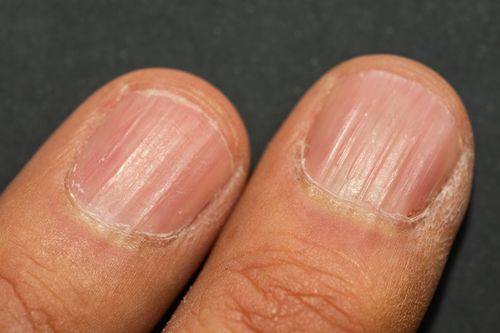
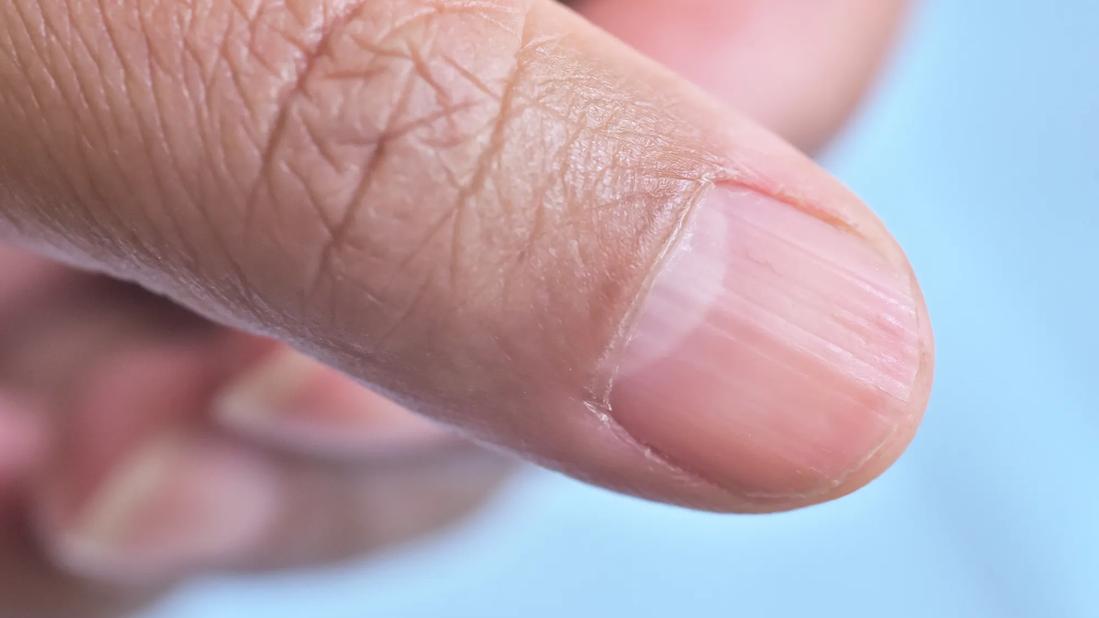
Vertical nail ridges, also called longitudinal ridges, are thin raised lines that run from the cuticle to the tip of the nail.
They can appear on one nail or several and often become more noticeable as people grow older. In most cases, they are painless and do not interfere with normal nail growth.
Unlike horizontal grooves, which may sometimes be associated with illness or temporary interruptions in nail growth, vertical ridges are usually considered a common age-related change.
Why Do Vertical Ridges Become More Noticeable with Age?
As we age, the body’s natural processes gradually slow down.
Fingernails are made primarily of keratin, the same structural protein found in hair and the outer layer of skin. This protein is produced in the nail matrix beneath the cuticle.
Over time, keratin production may become slightly less uniform, causing subtle ridges to form on the nail surface.
At the same time, aging nails often retain less moisture, making existing ridges easier to see.
These changes are generally harmless and are considered part of the normal aging process.
The Role of Dryness
Dryness is one of the most common reasons vertical ridges become more visible.
Several everyday habits can reduce moisture around the nails, including:
- Frequent handwashing
- Exposure to cleaning products
- Cold weather
- Dry indoor air
- Repeated use of alcohol-based hand sanitizers
When nails lose moisture, their surface becomes rougher, allowing natural ridges to stand out more clearly.
Can Nutrition Affect Nail Appearance?
Healthy nails rely on a balanced diet that supplies essential nutrients.
While vertical ridges alone are not usually caused by nutritional deficiencies, overall nail health may benefit from adequate intake of:
Protein
Keratin is a protein, making dietary protein important for healthy nail growth.
Iron
Iron supports oxygen delivery throughout the body, including tissues involved in nail formation.
Biotin
Biotin contributes to normal nail health in some individuals, although supplementation is generally recommended only when a deficiency exists.
Zinc
Zinc plays a role in healthy cell growth and tissue repair.
Eating a varied diet rich in fruits, vegetables, whole grains, lean proteins, and healthy fats helps support overall nail health.
How Circulation Supports Healthy Nails
Healthy blood circulation delivers oxygen and nutrients to the nail matrix, where new nail cells are produced.
As circulation naturally changes with age, nail growth may become slower, and subtle texture differences may become more noticeable.
Regular physical activity, hydration, and overall cardiovascular health all contribute to healthy circulation.
Everyday Habits That Help Protect Aging Nails
Fortunately, simple daily habits can keep nails looking healthier.
Moisturize Regularly
Apply hand cream or cuticle oil after washing your hands to help reduce dryness.
Wear Protective Gloves
Use gloves while washing dishes, gardening, or working with cleaning products.
Trim Carefully
Cut nails straight across and smooth rough edges with a fine nail file.
Stay Hydrated
Drinking enough water helps maintain healthy skin and nails.
Avoid Excessive Buffing
Over-buffing may temporarily smooth ridges but can also thin and weaken the nail plate.
Are Vertical Ridges Usually Harmful?
In most healthy adults, vertical ridges are considered a normal cosmetic change.
They typically:
- Develop gradually
- Affect multiple nails
- Cause no discomfort
- Do not change nail color
Many dermatologists consider mild longitudinal ridges a routine part of aging rather than a sign of disease.
When Should You Seek Medical Advice?
Although vertical ridges are usually harmless, certain nail changes deserve professional evaluation.
Consider speaking with a healthcare provider if you notice:
- Sudden or rapidly changing nail appearance
- Dark streaks or unusual discoloration
- Thickening or significant distortion of the nail
- Persistent pain or swelling around the nail
- Nails that separate from the nail bed
- Changes affecting only one nail without an obvious cause
These symptoms do not necessarily indicate a serious condition, but they should be assessed by a qualified healthcare professional.
Common Myths About Nail Ridges
Myth: Every Ridge Means a Vitamin Deficiency
Not true. While nutrition supports healthy nails, mild vertical ridges are most often related to normal aging.
Myth: Nail Polish Causes Permanent Ridges
Nail polish itself does not create vertical ridges, although harsh removal methods may contribute to dryness.
Myth: Buffing Is the Best Solution
Occasional gentle buffing may improve appearance, but excessive buffing can weaken the nail.
Myth: Vertical Ridges Always Signal Illness
Most vertical ridges are simply a normal feature of mature nails.
Supporting Healthy Nails Naturally
Maintaining healthy nails is similar to caring for the rest of the body.
Helpful habits include:
- Eating a balanced diet
- Exercising regularly
- Getting adequate sleep
- Protecting hands from harsh chemicals
- Moisturizing frequently
- Keeping nails clean and trimmed
These practices support overall skin and nail health throughout life.
Understanding the Natural Aging Process
Aging affects every part of the body, including fingernails.
Along with vertical ridges, people may notice:
- Slower nail growth
- Increased brittleness
- Slightly thicker or thinner nails
- Changes in shine or texture
These gradual changes are often expected and do not necessarily indicate underlying health concerns.
Recognizing normal aging can help reduce unnecessary worry while encouraging appropriate attention to any unusual symptoms.
Conclusion
Vertical lines on the fingernails are one of the many subtle changes that often accompany healthy aging. In most cases, they reflect natural shifts in keratin production and moisture rather than an underlying medical problem. With proper nail care, good nutrition, hydration, and protection from excessive dryness, many people can keep their nails healthy and comfortable for years to come.
At the same time, paying attention to significant changes in nail color, shape, or texture is an important part of overall health awareness. Nails can occasionally provide helpful clues about the body’s condition, making regular observation worthwhile.
Human curiosity often begins with small details, even something as simple as a change in our fingernails. By understanding the science behind these everyday changes, we can appreciate how the body naturally evolves while making informed decisions about our health.
Sources
- American Academy of Dermatology – Information on healthy nails and common nail changes
- Mayo Clinic – Nail health and aging
- National Health Service – Nail changes and when to seek medical advice
- Harvard Health Publishing – Healthy aging and skin, hair, and nail changes
- Cleveland Clinic – Nail care and common nail conditions