


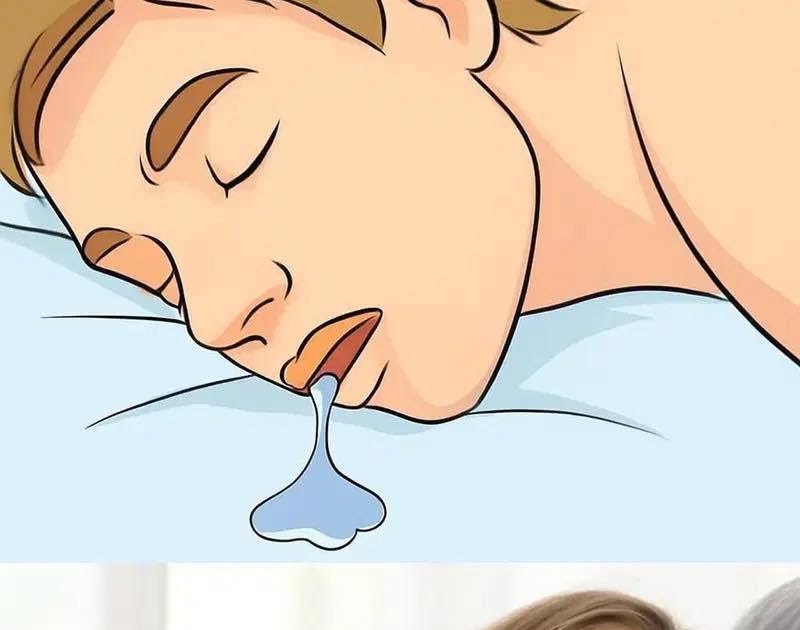
Many people have experienced waking up to find a damp spot on the pillow and wondered, “Why do I drool while sleeping?” While it may feel embarrassing, nighttime drooling is surprisingly common and, in most cases, completely normal.
Your body naturally produces saliva throughout the day and night to keep your mouth healthy, aid digestion, and protect your teeth. During sleep, however, certain factors can make saliva escape more easily, especially when your muscles are fully relaxed.
Understanding the reasons behind sleep drooling can help you determine whether it’s simply part of your sleeping habits or something worth discussing with a healthcare professional.
What Is Saliva and Why Is It Important?
Saliva plays several essential roles in maintaining overall health.
It helps to:
-
Begin the digestion of food.
-
Keep the mouth moist.
-
Protect teeth from decay.
-
Wash away food particles.
-
Support healthy gums.
-
Help with speaking and swallowing.
Healthy adults typically produce around 0.5 to 1.5 liters (approximately 2 to 4 pints) of saliva each day. Most of the time, you swallow it without noticing.
Why Drooling Happens During Sleep
When you’re awake, your brain automatically coordinates swallowing throughout the day.
During sleep, however:
-
Swallowing becomes less frequent.
-
Facial muscles relax.
-
Your jaw may loosen slightly.
-
Saliva can collect inside the mouth.
If your mouth remains open while sleeping, some saliva may naturally escape onto your pillow.
For most people, this is simply a normal part of sleep.
Common and Harmless Causes of Nighttime Drooling
Several everyday factors can contribute to drooling while sleeping.
Sleeping Position
People who sleep on their side or stomach are more likely to drool than those who sleep on their back.
Gravity allows saliva to flow toward the corner of the mouth instead of remaining inside the oral cavity.
Changing sleeping positions may reduce drooling for some individuals.
Mouth Breathing
Breathing through the mouth increases the likelihood that saliva will escape during sleep.
Common reasons include:
-
Temporary nasal congestion.
-
Seasonal allergies.
-
A common cold.
-
Deviated nasal septum.
-
Chronic nasal blockage.
Treating nasal congestion may help reduce nighttime drooling.
Deep Sleep
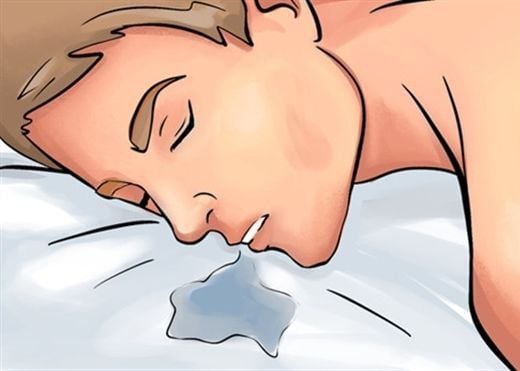
During deeper stages of sleep, muscles become increasingly relaxed.
This natural relaxation can make it easier for saliva to leak from the mouth, especially if the jaw opens slightly.
This is generally considered a normal physiological process.
Certain Medications
Some medications may influence saliva production or swallowing patterns.
Examples include certain medications prescribed for:
-
Mental health conditions.
-
Neurological disorders.
-
Sleep-related conditions.
If you notice changes after starting a new medication, consult your healthcare provider before making any adjustments.
Can Sleep Disorders Cause Drooling?
Occasionally, excessive drooling may be associated with certain sleep-related conditions.
One example is obstructive sleep apnea.
People with sleep apnea may also experience:
-
Loud snoring.
-
Pauses in breathing during sleep.
-
Frequent nighttime awakenings.
-
Morning headaches.
-
Excessive daytime sleepiness.
If these symptoms occur together, a medical evaluation may be appropriate.
Oral Health and Saliva
Good oral hygiene supports healthy saliva production.
Maintaining oral health includes:
-
Brushing twice daily.
-
Flossing regularly.
-
Visiting a dentist for routine checkups.
-
Staying well hydrated.
Healthy saliva is beneficial because it protects the mouth against bacteria and helps prevent tooth decay.
Lifestyle Factors That May Contribute
Some everyday habits may increase nighttime drooling.
These include:
-
Sleeping while extremely fatigued.
-
Alcohol consumption before bedtime.
-
Untreated nasal allergies.
-
Poor sleep posture.
Addressing these factors may help reduce symptoms.
Simple Ways to Reduce Nighttime Drooling
If drooling is bothersome, several practical strategies may help.
Sleep on Your Back
Sleeping on your back allows saliva to remain inside the mouth more easily.
Some people find that supportive pillows help maintain this position.
Improve Nasal Breathing
Keeping nasal passages clear may reduce mouth breathing.
Depending on the cause, this may involve:
-
Managing allergies.
-
Treating congestion.
-
Consulting a healthcare professional for persistent nasal obstruction.
Practice Good Sleep Hygiene
Healthy sleep habits support overall sleep quality.
Helpful practices include:
-
Maintaining a regular bedtime.
-
Limiting caffeine late in the day.
-
Creating a comfortable sleeping environment.
-
Staying hydrated throughout the day.
Maintain Oral Health
Regular dental care contributes to healthy saliva function and overall comfort during sleep.
When Should You See a Doctor?
While occasional drooling is usually harmless, persistent or excessive drooling deserves medical attention if it is accompanied by other symptoms.
Consider speaking with a healthcare provider if you experience:
-
Sudden onset of excessive drooling.
-
Difficulty swallowing.
-
Frequent choking during sleep.
-
Persistent mouth breathing.
-
Loud snoring with daytime fatigue.
-
Recurrent respiratory problems.
-
Drooling that significantly affects daily life.
A healthcare professional can evaluate possible underlying causes and recommend appropriate treatment if needed.
Common Myths About Sleep Drooling
Several misconceptions surround nighttime drooling.
Myth: Drooling Always Means You’re Sleeping Well
There is no scientific evidence that drooling is a reliable indicator of sleep quality.
While it often occurs during relaxed sleep, it is not considered a measure of how restorative your sleep has been.
Myth: Drooling Means Something Is Seriously Wrong
Most cases are completely normal and related to sleeping position or mouth breathing.
Only persistent drooling combined with other concerning symptoms generally warrants medical evaluation.
Myth: Everyone Can Stop Drooling Completely
Because saliva production is a normal body function, occasional drooling may happen even in healthy individuals.
The goal is not necessarily eliminating it entirely but understanding whether it reflects normal physiology or an underlying condition.
Conclusion
Drooling during sleep is a common experience that affects many healthy people. In most cases, it results from relaxed muscles, sleeping position, or temporary mouth breathing rather than any serious medical condition.
Simple adjustments, such as improving sleep posture, addressing nasal congestion, and maintaining good oral health, may help reduce nighttime drooling. However, persistent or excessive drooling accompanied by symptoms like difficulty swallowing, loud snoring, or interrupted sleep should be evaluated by a healthcare professional.
Human curiosity often begins with small everyday questions, and understanding why we drool during sleep reminds us that many ordinary body functions have fascinating scientific explanations. Learning about these natural processes helps us make informed decisions about our health while appreciating the remarkable ways the body works every day.
Sources
-
Mayo Clinic
-
Cleveland Clinic
-
American Dental Association (ADA)
-
National Institute of Dental and Craniofacial Research (NIDCR)
-
American Academy of Sleep Medicine (AASM)
-
NHS (National Health Service)