
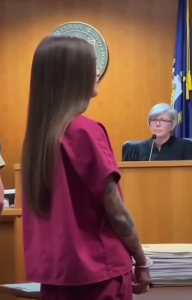

Wisconsin teen Joniah Walker, who disappeared from her Milwaukee home in 2022, has been found safe four years later, according to Milwaukee police. The outcome brings a rare moment of relief in a type of case that too often remains unsolved, and it underscores both the emotional toll on families and the importance of sustained investigative work in missing children investigations.

Timeline of the disappearance
According to information released by the Milwaukee Police Department to local media, Joniah Walker was 15 years old when she disappeared from her family home in Milwaukee on June 23, 2022. At the time, relatives reported that she had left without her usual personal belongings, sparking deep concern that she might not have gone voluntarily or that she could be at risk.
In the days and weeks that followed, her family circulated photos, appealed for public assistance, and worked with local authorities to track any potential leads. Relatives told reporters they feared she had been “lured away,” referring to the possibility that someone might have used social media or other forms of contact to persuade her to leave home.
Despite public attention and ongoing appeals, the case went cold. Like many long‑term missing person investigations, it moved from an active search phase to a more sustained but lower‑visibility effort, in which detectives periodically re‑examined tips, checked national databases and monitored new information that might match Joniah’s description.
Discovery of Joniah Walker in 2026
The Milwaukee Police Department confirmed that Walker, now 19, was located safe on May 25, 2026. Details about how and where she was found have not been fully disclosed, which is common in cases involving young people and potential ongoing investigations. Police indicated that she was physically safe at the time she was contacted by officers, and that her immediate safety was their first priority.
Law enforcement officials also said that investigators were working to understand more about the years between her disappearance and her discovery. That process can include verifying her identity, confirming her health status, and gathering information on where she had been living, who she had been living with, and whether any laws were broken during the period she was missing.
Because Walker was a minor when she left home and is now a young adult, authorities must also respect her privacy and legal rights. This can limit the amount of detail that is publicly released, especially if she chooses not to share certain aspects of her experience. In similar cases, police often emphasize that their focus shifts from simply locating the missing person to ensuring access to medical care, counseling, and other forms of support.
Family relief and community reaction
For families of missing children, confirmation that a loved one has been found safe—after years of uncertainty—is both a profound relief and the start of a complex new chapter. While public comments from Walker’s relatives have been limited since news of her recovery, earlier interviews from 2022 and 2023 documented the deep anxiety and hope they held over a prolonged period.
Milwaukee residents who had followed the case expressed relief on social media and in local forums, noting that the outcome stands in contrast to many missing child cases that never reach closure. Community advocates who work on youth safety and missing persons issues pointed to Walker’s safe recovery as an example of why long‑term follow‑up matters, even after media attention fades.
Local organizations focused on runaways, trafficking prevention, and youth outreach also highlighted the case as a reminder that missing teenagers may still be alive years later and can benefit from consistent outreach, public awareness campaigns, and sustained investigative attention.
How missing children cases are investigated
Cases like Walker’s fit into a broader national landscape of missing children investigations, which can involve multiple agencies and databases. In the United States, local police departments typically take the initial report and investigation lead, while federal and national partners such as the Federal Bureau of Investigation (FBI) and the National Center for Missing & Exploited Children (NCMEC) often provide additional resources.
When a child is first reported missing, officers gather basic information such as age, physical description, last known clothing, possible destinations, and known contacts. They may check security video in nearby areas, review phone and social media records where legally permitted, and quickly enter the child into state and national databases. In urgent situations where abduction is suspected and specific criteria are met, authorities may activate an AMBER Alert to broadcast details to the public.
Not all cases qualify for an AMBER Alert, however, and not every missing child is believed to be abducted by a stranger. Many cases involve runaways, family conflicts, or complex situations in which a teen may leave home but still be at risk of exploitation or harm. This broader category is sometimes called “endangered runaway,” reflecting that the child’s decision to leave does not remove the concern for their safety.
Over time, long‑term missing cases like Walker’s typically remain in national databases such as the FBI’s National Crime Information Center (NCIC). Detectives may periodically revisit them as new leads arise, as technology improves, or when other investigations turn up information that could be related. Public tips, social media, and media coverage can all play a role in generating new lines of inquiry years after a disappearance.
The role of online contact and potential luring
Walker’s relatives had previously told reporters they feared she had been “lured away,” though authorities have not publicly confirmed the circumstances that led to her leaving home. Concern about online luring reflects a broader pattern identified by child‑safety experts and law enforcement, who warn that some adults use social media, messaging apps, and gaming platforms to build trust with minors and encourage them to run away or meet in person.
Research and case reviews by organizations like NCMEC and the U.S. Department of Justice indicate that online grooming can involve flattery, gifts, promises of independence or emotional support, and, in some cases, requests for secrecy. Even when there is no physical abduction, this type of influence can place a young person in a high‑risk situation, far from family support and potentially vulnerable to exploitation.
Parents and guardians are encouraged by experts to maintain open communication about online activity, set clear boundaries, and teach children to be cautious about sharing personal information or meeting people they only know from the internet. Tools such as privacy settings, parental controls, and regular conversations about digital safety can reduce risk, though no single step eliminates it entirely.
Support for young people after they are found
When a missing teenager is located after several years, professionals stress that “being found safe” refers first to physical safety. Emotional and psychological impacts can be complex and may require longer‑term support. Psychologists and social workers who work with recovered missing youth note that each situation is unique: some individuals may have experienced exploitation or trauma; others may have lived relatively stable lives but remain estranged from family; still others may struggle to readjust to home or community expectations.
Best‑practice guidelines from child‑protection agencies emphasize offering voluntary counseling, medical evaluations, and case management rather than assuming a one‑size‑fits‑all response. Young adults like Walker, who are over 18 at the time they are found, generally have the right to decide where they live and what information is shared, as long as there is no evidence that they are being coerced or controlled.
In many communities, non‑profit organizations coordinate with law enforcement to connect recovered youth and young adults with services such as housing assistance, education support, mental health care, and legal advocacy. These services are designed to help stabilize their situations and provide tools to move forward.
National context: Missing teens in the United States
According to the National Center for Missing & Exploited Children, tens of thousands of children are reported missing in the United States each year. Most are ultimately found relatively quickly, often within days or weeks. However, a smaller subset of cases remain unresolved for months or years, creating what investigators call “long‑term missing” cases.
The majority of missing children in official statistics are teenagers. Many are categorized as runaways, frequently linked to family conflict, prior victimization, mental health challenges, or efforts to escape difficult home or community environments. Experts stress that the “runaway” label should not minimize the risks these young people face, including exposure to homelessness, exploitation, trafficking, and crime.
Federal initiatives—such as the FBI’s Crimes Against Children program and various Department of Justice task forces—work with state and local agencies to address these risks. They focus on identifying patterns, sharing intelligence, and using data to prioritize cases where youth may be under the control of traffickers or other offenders.
Public awareness also plays a central role. Posters, media reports, social media campaigns, and missing person databases make it more likely that someone will recognize a name or face years after a disappearance. In some instances, individuals who were once missing choose to contact authorities themselves when circumstances change, or when they feel ready to reconnect with family or seek help.
Community and policy implications
Walker’s safe recovery has prompted renewed discussion in Wisconsin and beyond about how to better protect teenagers and support families. Advocates and policy specialists point to several key areas:
- Early intervention and family support: Providing accessible counseling, mediation, and youth programs can reduce the likelihood that conflict at home escalates to a disappearance.
- Digital literacy and safety education: Teaching students about online grooming, privacy, and boundaries can help them recognize and avoid unsafe situations.
- Sustained funding for missing persons units: Dedicated investigators and analysts, along with improved technology, increase the chances that long‑term cases remain active rather than being effectively abandoned.
- Cross‑agency collaboration: Cooperation between local police, state authorities, federal agencies, and non‑profit organizations is critical for tracking young people who may move across city or state lines.
In recent years, some states have introduced or strengthened laws and protocols for handling missing children and at-risk youth, including requirements for quicker data entry into national systems, clearer definitions of endangered runaways, and improved training on recognizing signs of exploitation. Cases like Walker’s are often cited in legislative hearings and policy reports as reminders of both vulnerabilities and possibilities for positive outcomes.
Moving forward after a long‑term disappearance
As of the latest public information from Milwaukee police, investigators are continuing to review the circumstances surrounding Walker’s disappearance and her life over the past four years. It remains unclear whether any criminal charges will be pursued in connection with her case, and authorities have not suggested a timeline for additional updates.
For Walker and her family, the focus is likely to be on privacy, healing, and deciding how to rebuild relationships after a long and highly public search. Specialists who work with families in similar situations emphasize the importance of patience, open communication, and professional support, noting that reunification after years apart can be challenging for everyone involved.
At the community and national level, the resolution of Walker’s case reinforces the message that missing teenagers may still be found safe, even after a long absence. It also highlights the continuing need for comprehensive strategies that combine law enforcement, social services, technology, and public awareness to prevent disappearances and support those who return.
What families can do if a child goes missing
Child safety organizations and law enforcement agencies offer consistent advice for families facing the trauma of a missing child:
- Contact local law enforcement immediately; there is no mandatory waiting period in the United States to report a child missing.
- Provide a recent photograph, detailed physical description, and information about friends, online profiles and usual routines.
- Ask that the child be entered promptly into the National Crime Information Center (NCIC) database.
- Reach out to the National Center for Missing & Exploited Children, which can help with poster creation, case support, and coordination with authorities.
- Document all interactions, tips, and leads, and stay in regular communication with the assigned investigator.
While not every case will end the way Walker’s has, her safe discovery illustrates why quick, organized action in the early hours, combined with long‑term persistence, can be critical. For many families of missing children, even a single confirmed sighting years later can offer hope and a potential path to resolution.