
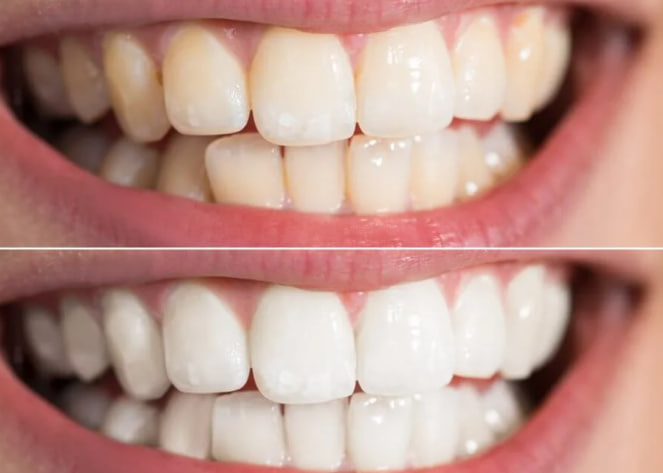
The Search for a Brighter Smile
A bright smile has long been associated with confidence and good oral hygiene. It’s no surprise that many people look for affordable ways to improve the appearance of their teeth without spending large amounts on cosmetic dental procedures.
Imagine preparing for a family gathering, an important interview, or a special event. You glance in the mirror and notice that your teeth are not as bright as you would like. Like millions of people around the world, you may start exploring home remedies that claim to support a cleaner, brighter smile.
Among the many suggestions found online, one popular method combines turmeric and baking soda. Supporters believe these common household ingredients may help reduce surface stains and improve the appearance of teeth. But how much of this is supported by evidence, and what should consumers know before trying such methods?

Understanding Teeth Whitening
Teeth whitening refers to techniques designed to reduce discoloration and improve the brightness of teeth. Over time, teeth can become stained by everyday factors such as:
Coffee and tea
Dark-colored beverages
Certain foods
Tobacco use
Aging
Natural changes in tooth enamel
There are many whitening approaches available today, ranging from professional dental treatments to over-the-counter products and home remedies.
Why Do Teeth Become Discolored?
External Stains
External stains affect the outer surface of teeth and often develop from substances that come into contact with enamel.
Common examples include:
Coffee
Tea
Red wine
Colored sauces
Certain fruits and berries
These stains are often easier to address through cleaning and whitening methods.
Internal Discoloration
Some discoloration develops within the tooth itself. Aging, certain medications, and natural changes in tooth structure can contribute to deeper color changes that may not respond well to simple home remedies.
In these situations, professional dental guidance may be necessary.
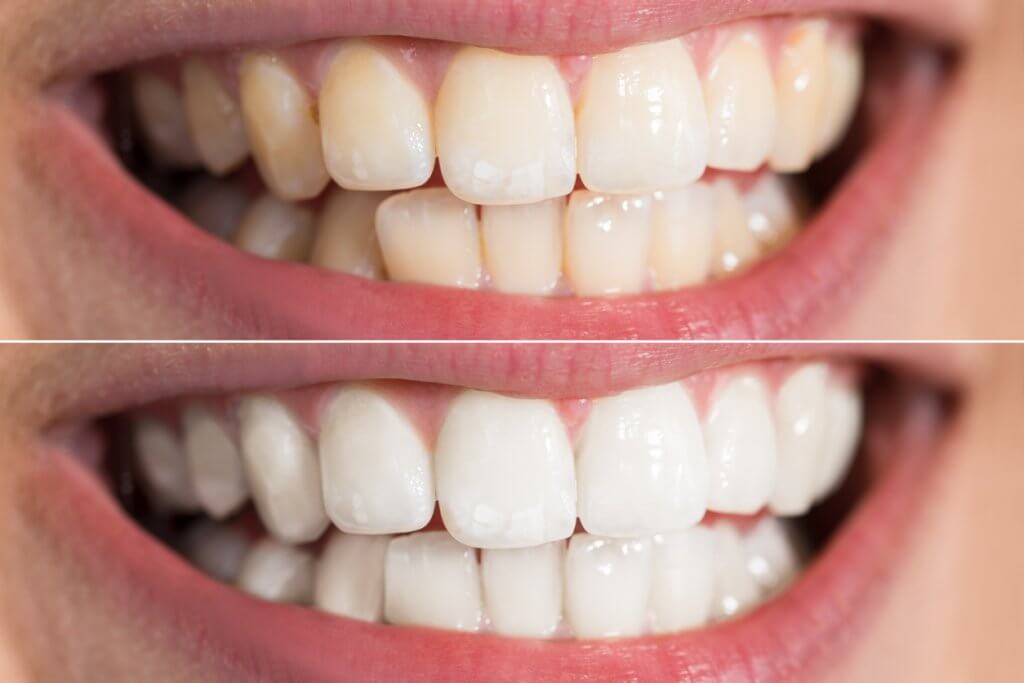
The Popular Turmeric and Baking Soda Combination
Why Is Turmeric Used?
Turmeric is a golden-yellow spice commonly used in cooking and traditional wellness practices. Some people believe it may help improve the appearance of teeth because of its natural cleansing properties.
Despite its vibrant color, supporters suggest that turmeric may help remove certain surface stains when used carefully.
However, scientific evidence supporting significant whitening effects remains limited.
Why Is Baking Soda Used?
Baking soda has long been included in various oral care products. Its mild abrasive properties may help remove some surface discoloration from teeth.
Many commercially available toothpastes contain baking soda because it can contribute to plaque removal and surface cleaning when used appropriately.
How the Home Remedy Is Commonly Used
Those who choose to try this method often follow a simple process:
Mix a small amount of turmeric powder with baking soda.
Add a few drops of water to create a paste.
Apply the mixture gently to the teeth using a toothbrush.
Allow it to remain briefly before rinsing thoroughly.
Brush again with regular toothpaste if desired.
It is important to remember that individual results can vary significantly, and whitening effects may be modest.
What Does Science Say?
Potential Benefits
Research suggests that baking soda may help remove certain surface stains due to its mild abrasive action. This can contribute to a cleaner appearance over time when used responsibly.
Maintaining good oral hygiene habits remains one of the most effective ways to preserve the natural brightness of teeth.
Limitations
Scientific studies do not currently provide strong evidence that turmeric alone produces substantial whitening results.
Claims suggesting dramatic changes within minutes should be viewed cautiously. The appearance of teeth can be influenced by lighting, photography, and individual variations.
Most dental professionals agree that meaningful whitening typically requires consistent care over time rather than immediate transformations.
Safety Considerations
Avoid Excessive Scrubbing
Even gentle abrasives can affect enamel if used too aggressively or too frequently.
To help protect tooth enamel:
Use a soft-bristled toothbrush.
Apply gentle pressure.
Avoid repeated daily use of abrasive mixtures.
Watch for Sensitivity
Some people may experience temporary tooth or gum sensitivity after trying whitening methods.
If discomfort occurs, discontinue use and consult a dental professional.
Not Suitable for Every Situation
Home remedies may have limited impact on deeper discoloration, dental restorations, crowns, veneers, or intrinsic staining.
Professional evaluation can help determine the most appropriate option for specific concerns.
Other Ways to Support a Brighter Smile
Consistent Brushing
Brushing twice daily with fluoride toothpaste remains one of the most important habits for maintaining oral health.
Daily Flossing
Flossing helps remove plaque and food particles from areas a toothbrush may not easily reach.
Regular Dental Visits
Routine dental cleanings can help remove accumulated surface stains and support long-term oral health.
Limiting Stain-Causing Foods and Drinks
Reducing exposure to strongly pigmented beverages and foods may help slow future discoloration.
Using a straw for certain beverages can also reduce direct contact with teeth.
Professional Whitening Options
For individuals seeking more noticeable results, professional treatments may be worth discussing with a dentist.
Common options include:
Dentist-supervised whitening gels
Custom whitening trays
In-office whitening procedures
Professionally recommended whitening products
These approaches are often designed to balance effectiveness with safety.

Separating Expectations From Reality
The internet is filled with stories about simple household ingredients producing remarkable cosmetic results. While some home remedies may offer modest improvements in surface cleanliness and appearance, extraordinary claims should be approached with realistic expectations.
Healthy teeth naturally vary in shade from person to person. The goal should not necessarily be achieving an unnaturally bright appearance, but rather maintaining healthy teeth and gums through evidence-based care.
Maintaining Long-Term Oral Health
A brighter smile is often the result of consistent daily habits rather than a single treatment. Good nutrition, regular brushing, flossing, professional dental care, and healthy lifestyle choices all contribute to the appearance of teeth over time.
Simple home remedies may have a place within a broader oral care routine, but they should not replace professional guidance when concerns arise.
Conclusion
The combination of turmeric and baking soda has become a popular home whitening remedy because it is affordable, accessible, and easy to prepare. While baking soda may help reduce some surface stains, scientific evidence supporting dramatic whitening effects remains limited.
Individuals interested in brighter teeth should focus on proven oral hygiene practices, realistic expectations, and professional dental advice when needed. By combining good habits with informed decision-making, it is possible to support both the appearance and health of your smile.
Human curiosity has always inspired people to explore simple solutions using everyday ingredients. Whether examining traditional remedies or modern dental science, the pursuit of a healthier smile reflects our ongoing interest in understanding and improving our well-being.
Sources
American Dental Association (ADA) – https://www.ada.org
National Institute of Dental and Craniofacial Research (NIDCR) – https://www.nidcr.nih.gov
Mayo Clinic – https://www.mayoclinic.org
National Health Service (NHS) – https://www.nhs.uk
Cleveland Clinic – https://my.clevelandclinic.org
Harvard Health Publishing – https://www.health.harvard.edu