

A Los Angeles jury has ruled that singer Chris Brown is liable for nearly $13 million in damages over a 2020 dog attack that seriously injured a housekeeper at his home in Tarzana, California. The civil verdict, reached after a two-week trial, centers on a large Caucasian shepherd dog named Hades that was kept on Brown’s property.
Jury Awards Damages to Housekeeper and Family Members
The case was brought by Maria Avila, a housekeeper who regularly worked at Brown’s residence. According to court testimony reported by U.S. entertainment and news outlets, Avila was taking out the trash in the backyard area of the property in December 2020 when she was attacked by Hades, a dog weighing around 200 pounds. The incident led to severe injuries and long-term physical and psychological effects.
At the conclusion of the trial in a Van Nuys courtroom, the jury found Brown and his company, Black Pyramid LLC, negligent and ordered them to pay substantial damages. Based on reports from Billboard and other media:
- Maria Avila was awarded approximately $12.9 million for negligence and related damages.
- Her sister, Patricia Avila, who was present at the property that day, received $885,000 for emotional distress.
- Maria Avila’s husband, Oscar Olivo, was granted $50,000 in separate damages.
The total judgment is roughly $13.8 million. Attorneys for the plaintiffs described the verdict as a significant step toward accountability for Avila and her family after years of litigation.
Background of the Incident at Brown’s Tarzana Home
The attack took place at Brown’s home in Tarzana, a neighborhood in the San Fernando Valley region of Los Angeles. Avila and her sister had been employed as housekeepers and were handling routine chores on the day of the incident. During the trial, witnesses described a chaotic scene in which the dog reportedly lunged at Avila while she was outside near the trash area.
Reports from outlets such as Rolling Stone indicate that Avila suffered deep wounds, particularly to her face and left arm. She required extensive medical treatment, including surgery and skin grafts, and later described persistent pain, scarring and reduced mobility.
Brown has maintained that the dog was kept on the property for security purposes rather than as a traditional household pet. However, under California law, property owners and those who control premises can be held liable if they fail to take reasonable measures to prevent foreseeable harm to workers or visitors.
Conflicting Testimony Over Warnings and Safety Measures
A central question in the trial was whether Brown had adequately warned the housekeepers about the dog and whether appropriate safety protocols were in place. Brown testified that he had informed Avila and her sister about the presence of the dogs and instructed them to go outside only when security staff were present.
Avila and her sister disputed that account. According to coverage of the trial, they stated that no such clear warning or instructions were given, and that language differences made a detailed conversation with Brown difficult. The jury ultimately found that Brown and his company bore legal responsibility for what happened, indicating that they were not persuaded that sufficient precautions were taken.
The case highlights broader legal concerns around domestic workers and workplace safety in private homes. Housekeepers, gardeners, caregivers and other in-home workers often face occupational risks, including exposure to aggressive animals, without the same formal protections that may exist in other workplaces.
Allegations About Brown’s Response to the Attack
Jurors also heard testimony about how Brown responded immediately after the attack. According to media reports summarizing court proceedings, Brown said he heard the dog growling while he was preparing to shower, then rushed downstairs and found Avila on the ground.
He described seeing a significant amount of blood and said the sight left him in shock. Brown testified that he followed advice from his manager to leave the residence before emergency responders arrived, expressing concern that his presence or voice on a 911 call could spark intense media attention. Employees at the property reportedly took responsibility for contacting emergency services and assisting Avila.
The jury’s decision suggests that Brown’s actions in the aftermath of the incident were closely scrutinized. While civil cases of this kind focus primarily on liability and damages rather than criminal responsibility, the way a property owner responds to an emergency can influence jurors’ views on overall negligence and duty of care.

Long-Term Impact on Maria Avila’s Health and Life
During the trial, Avila gave emotional testimony about the extent of her injuries and the lasting changes to her life. Speaking in Spanish with the assistance of an interpreter, she explained that she had undergone multiple surgeries and continues to experience pain, scarring and limited mobility in her arm.
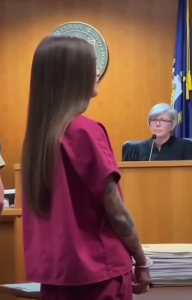
Reports indicate that surgeons used a skin graft from her abdomen to repair damage to her arm, leaving visible marks. Avila reportedly walked to the jury box to show the scars on her face and arm, including a pattern of scarring from below her left eye across her forehead, as well as altered skin texture on her forearm.
The injuries have also affected her ability to work. Court testimony suggested that she has been unable to return to housekeeping jobs because she cannot perform tasks that require arm strength. In addition, she described psychological distress, including difficulty being around dogs, which is a common reaction after serious animal attacks.
Avila’s daughter, Yoseline Espinozas, testified that her mother’s personality and daily habits have changed significantly since the incident. According to that testimony, Avila now avoids social situations, prefers not to be photographed and is self-conscious about her appearance. Such accounts are consistent with clinical descriptions of trauma-related conditions and body image concerns that can follow severe injuries.
Legal Context: Dog Attacks and Homeowner Responsibility
Cases involving dog bites and attacks often turn on issues of foreseeability, prior knowledge of a dog’s behavior and whether reasonable safety measures were in place. In California, civil statutes and case law can impose strict liability on dog owners when their animals cause injuries, regardless of prior history, while also allowing claims based on negligence when property owners or businesses fail to protect workers or guests.
Large guardian breeds such as the Caucasian shepherd, originally bred for protecting livestock and property, require experienced handling, secure containment and careful management, especially around visitors and workers. Animal behavior experts often emphasize the importance of:
- Clear communication with anyone entering a property where protective dogs are kept.
- Secure fencing and barriers to prevent unexpected contact between dogs and workers or guests.
- Professional training and behavior evaluation for large, powerful breeds.
- Written safety protocols for domestic staff, including when and where they can safely move around the property.
When such safeguards are lacking or disputed, civil courts may find owners and property controllers liable for resulting injuries. The Avila case underscores how domestic employment arrangements intersect with premises liability law.

Exclusion of Past Criminal Conviction from the Trial
Before the trial began, the judge overseeing the case ruled that Brown’s 2009 felony conviction for assaulting singer Rihanna would not be introduced as evidence. Courts often limit references to past criminal conduct when it is not directly connected to the incident under consideration, to reduce the risk that jurors will base their decision on character judgments rather than the facts of the case at hand.
By excluding that prior conviction, the court kept the focus on the specific circumstances of the 2020 dog attack, the safety measures on Brown’s property and the injuries suffered by Avila and the emotional impact on her family members.
Other Legal Proceedings Involving Chris Brown
The verdict in Los Angeles comes at a time when Brown is facing other legal challenges. In the United Kingdom, he is scheduled for trial in October in connection with allegations that he was involved in an “unprovoked attack” on music producer Abraham Diaw at a London nightclub in 2023. British media reports indicate the case relates to an alleged incident involving a bottle, though Brown has not been convicted in that matter and the trial has yet to take place.
Brown appeared briefly in a London court in January alongside co-defendant Omololu Akinlolu. Both were granted bail, which has allowed Brown to continue professional activities, including his current concert schedule.
Impact on Brown’s Career and Public Discussion
The Van Nuys verdict was reached just days after Brown launched a co-headlining stadium tour in the United States with fellow R&B artist Usher. The tour includes multiple large venues, among them two scheduled nights at SoFi Stadium in the Los Angeles area.
While civil judgments do not automatically prevent artists from touring or releasing music, they can influence public perception and generate discussion about accountability and workplace safety in the entertainment industry. Domestic staff, security personnel, drivers, catering workers and other support staff routinely interact with high-profile performers and their properties, raising questions about consistent safety standards in private settings.
Legal analysts note that high-value verdicts can encourage property owners and employers to review safety procedures, insurance coverage and contracts with domestic workers. This may include clearer written guidelines, training for employees, and risk assessments around animals kept on the premises.

Worker Safety, Domestic Labor and Animal Risk Management
Internationally, organizations focused on labor rights and occupational safety have increasingly highlighted the situation of domestic workers, who may face unique vulnerabilities, including lack of formal employment contracts, language barriers and limited access to legal resources. When incidents occur in private homes, they are less visible than workplace injuries in public or commercial settings.
Experts in dog behavior and animal law have also called attention to the need for systematic risk management when large or protective dogs share space with workers who may not be familiar with the animals. Recommendations from veterinary behavior specialists and humane organizations often emphasize:
- Regular veterinary checkups and evaluation for signs of fear, aggression or anxiety in dogs.
- Proper socialization and training from an early age, especially for strong guardian breeds.
- Use of leashes, muzzles or secure enclosures when workers or visitors are on the property.
- Clear written instructions for all staff on how to move safely around dogs and what to do in an emergency.
The Avila case, though specific to one property and one celebrity, connects to broader discussions around how societies protect both workers and animals in shared environments.
What Happens Next
Following the jury’s decision, Brown and his company have legal options, including seeking to appeal the verdict or negotiate over payment terms. Appeals in civil cases typically focus on potential legal or procedural errors during the trial rather than relitigating the factual findings of the jury.
For Maria Avila and her family, the judgment represents a formal recognition of the harm they described in court. While financial compensation cannot reverse physical injuries or psychological trauma, civil awards are designed to address medical costs, lost income, pain and suffering, and long-term care needs.
The case is likely to continue drawing attention as part of the wider record of legal proceedings involving public figures and their responsibilities toward employees, visitors and contractors who work in and around their homes.