


In the early hours of recent escalations in the Middle East, reports began circulating online describing a dramatic large-scale strike involving hundreds of hypersonic missiles and devastating consequences for military infrastructure. The narrative quickly gained traction across social media platforms, drawing attention for its vivid detail and sweeping claims.
However, as the story spread, so did questions about its accuracy. In an era where information travels instantly, distinguishing between verified facts and amplified narratives has become more important than ever. This article focuses on what has been confirmed by reputable sources and what remains unverified.

What Has Been Confirmed by Reliable Sources
According to internationally recognized outlets such as Reuters, BBC News, and Associated Press, tensions between Iran and Israel have escalated in recent years, including direct missile exchanges.
Key verified points include:
- Iran has launched missile attacks toward Israeli territory during recent confrontations.
- Israel’s air defense systems, including multi-layered interception technologies, have been actively engaged in response.
- Regional tensions have increased, with multiple countries calling for restraint and de-escalation.
These developments reflect a serious and evolving situation, but they do not match the extreme scale described in viral claims.
The Claim of “300 Hypersonic Missiles”: What We Know
One of the most widely shared claims is that Iran launched 300 hypersonic missiles in a single coordinated strike targeting a major airbase.
At present, there is no verified evidence from credible international media confirming:
- A single attack involving 300 hypersonic missiles
- The destruction of dozens of advanced aircraft in one event
- The collapse or surrender of Israeli military forces
While the number “300” has appeared in reporting, it generally refers to combined launches over a broader period, not a single operation.
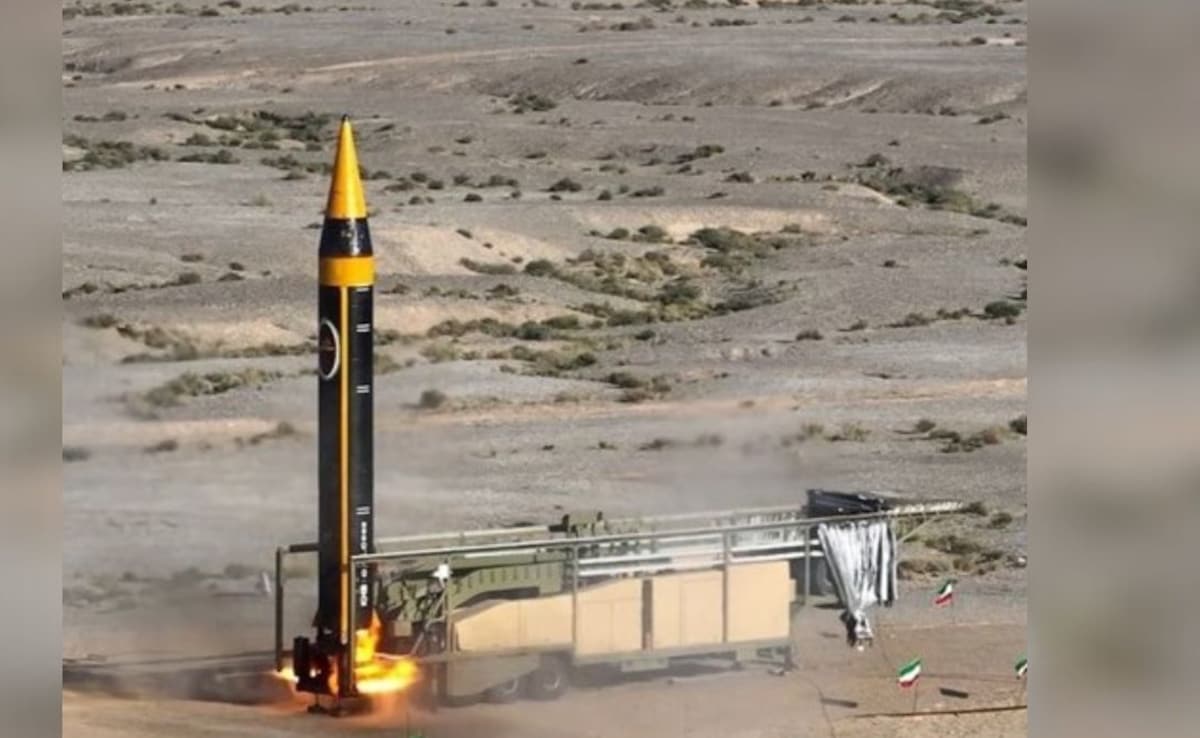
Understanding Hypersonic Weapons in Reality
The term “hypersonic” is frequently used in modern military discussions, but it is often misunderstood.
In scientific terms, hypersonic speed refers to anything traveling above Mach 5. Countries including Iran have announced progress in developing such systems, but independent verification of their full operational capability remains limited.
Experts note that:
- Hypersonic technology is complex and still evolving
- Real-world performance can differ from official claims
- Precision and reliability at extreme speeds remain engineering challenges
As a result, dramatic descriptions of flawless, large-scale hypersonic operations should be approached with caution.
Why Viral Narratives Can Be Misleading
The story circulating online contains several elements commonly found in viral misinformation:
Highly Detailed Military Scenarios
Descriptions of multi-phase attacks with exact timing and perfect coordination can create a sense of realism, even when not independently verified.
Use of Technical Language
Terms like “Mach speed,” “electronic warfare,” and “precision targeting” add credibility but may be used without context or confirmation.
Emotional and Strategic Framing
Framing the event as a निर्णing turning point or total strategic collapse increases engagement but may exaggerate reality.
These techniques do not necessarily mean the entire story is false, but they often indicate that the content has been amplified beyond confirmed facts.

The Strategic Reality: More Complex and Gradual
Military analysts consistently emphasize that large-scale strategic shifts rarely occur instantly. Even significant attacks typically result in:
- Temporary disruption rather than total collapse
- Rapid adaptation and response
- Ongoing cycles of escalation and de-escalation
The idea of a complete and immediate surrender by a modern military force is highly unlikely without widespread, independently confirmed evidence.
The Role of Media Literacy in Modern Conflicts
As global audiences consume real-time updates, the ability to evaluate sources becomes essential. Verified information typically comes from:
- Established international news organizations
- Official government statements
- Independent expert analysis
When a claim appears only on lesser-known websites or social media posts, it is important to treat it as unverified until confirmed elsewhere.

Conclusion: Staying Grounded in Verified Information
The current tensions between Iran and Israel are real and significant. However, the specific claim that Iran launched 300 hypersonic missiles in a single strike, destroyed 80 aircraft, and forced a surrender is not supported by credible evidence.
In a fast-moving information environment, compelling stories can spread quickly, but accuracy remains essential. By relying on verified sources and maintaining a critical perspective, readers can better understand complex global events without being misled by exaggerated narratives.
Ultimately, the responsibility lies not only with those who publish information but also with those who consume it. Careful attention to sources and context helps ensure a clearer and more reliable view of the world.