
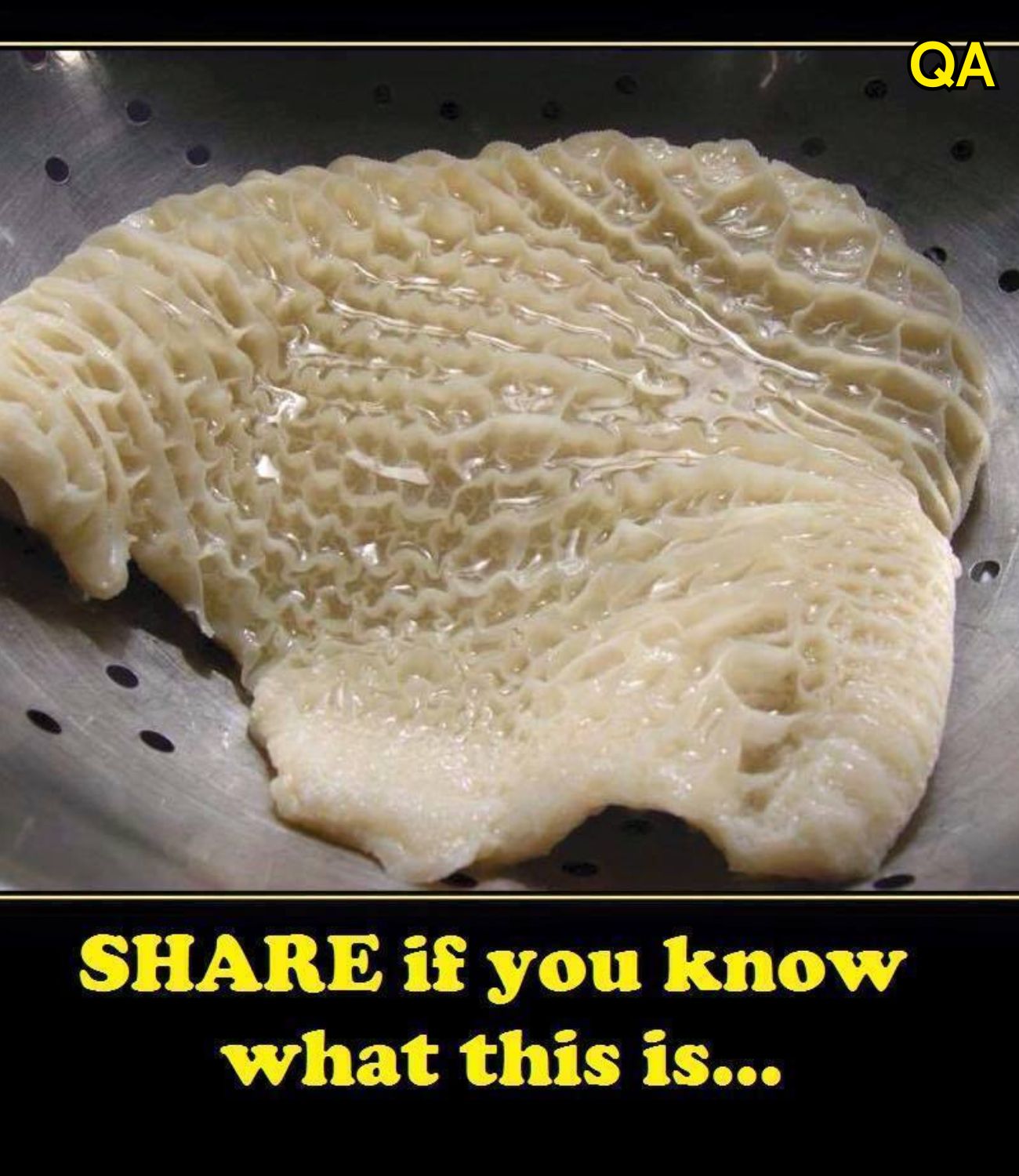
It often begins with surprise. A dish is placed on the table, and among familiar ingredients sits something unlike anything else. Pale, glossy, and patterned with intricate ridges, it looks almost like a natural sculpture rather than food. Some hesitate, others lean in with curiosity. What is it, and why does it look this way?
For many around the world, this unique ingredient is instantly recognizable. For others, it sparks questions and even a sense of mystery. The object in the image is known as honeycomb tripe, a type of beef stomach that has been cleaned and prepared for cooking. Despite its unusual appearance, it has been a valued ingredient in culinary traditions across continents for centuries.
This article explores honeycomb tripe through multiple lenses, combining cultural history, culinary practice, and scientific understanding. Along the way, we will also consider the myths and interpretations that surround this distinctive food.

Understanding Honeycomb Tripe
What Exactly Is Tripe
Tripe refers to the edible lining of the stomach of ruminant animals, most commonly cattle. Cows have a complex digestive system with multiple chambers, each serving a different role in processing plant material. Honeycomb tripe comes from the second chamber, known as the reticulum.
This part of the stomach is characterized by its hexagonal, honeycomb-like pattern. These structures are not decorative but functional, helping the animal break down food efficiently during digestion.
Why It Looks the Way It Does
The intricate texture of honeycomb tripe is a direct result of its biological function. The repeating pattern increases surface area, which aids in the absorption and movement of partially digested food.
When prepared for cooking, the tripe is thoroughly cleaned and often blanched, which gives it its pale, slightly glossy appearance. The final result is a food that looks complex but is entirely natural in origin.
The Science Behind Texture and Flavor
Collagen and Culinary Transformation
One of the defining characteristics of tripe is its high collagen content. Collagen is a structural protein found in connective tissues. When cooked slowly, collagen breaks down into gelatin, which contributes to a tender texture and a rich mouthfeel.
This transformation is a key reason why tripe is often used in soups and stews. The cooking process not only softens the structure but also enhances its ability to absorb flavors from surrounding ingredients.
A Simple Look at Heat and Change
The transformation of collagen into gelatin during cooking can be understood as a chemical change driven by heat. While the process is complex, the general idea can be illustrated through the concept of energy transfer:
𝑄=𝑚𝑐Δ𝑇Q=mcΔT
In this equation, heat energy is transferred to the food, raising its temperature and enabling structural changes at the molecular level. As heat is applied over time, the tough fibers gradually become tender.
Why It Absorbs Flavor So Well
Tripe has a relatively mild taste on its own, which makes it an excellent base for absorbing spices, broths, and sauces. The porous structure allows liquids to penetrate easily, creating a dish that reflects the flavors of its preparation.
This adaptability is one reason why tripe appears in so many different cuisines around the world.
Cultural Significance Across the Globe
A Global Ingredient with Local Identity
Honeycomb tripe is not limited to one region or culture. It appears in a wide variety of traditional dishes, each reflecting local tastes and culinary techniques.
In Vietnam, tripe is a familiar component of noodle soups, where it adds texture and depth. In Italy, it is used in slow-cooked dishes that highlight herbs and tomatoes. In Mexico, it plays a central role in hearty soups often enjoyed during gatherings.
Each culture approaches tripe differently, yet the ingredient itself remains the same. This shared use highlights how food can connect diverse traditions.
Resourcefulness and Respect for Ingredients
Historically, tripe has been associated with resourcefulness. Using all parts of an animal reflects a practical approach to food, ensuring that nothing goes to waste.
In many cultures, this practice is not only economical but also symbolic of respect for resources. Foods like tripe become part of a broader philosophy that values sustainability and mindful consumption.
Myths, Reactions, and First Impressions
Why It Looks Unusual to Some
For those unfamiliar with tripe, its appearance can be surprising. The textured surface and pale color differ from more commonly consumed cuts of meat. This difference can lead to hesitation or curiosity.
However, appearance alone does not define taste or quality. Many foods that initially seem unusual become favorites once people understand how they are prepared and enjoyed.
Misconceptions About Taste and Quality
A common misconception is that tripe has a strong or unpleasant flavor. In reality, properly cleaned and cooked tripe has a mild taste. Its flavor largely depends on the ingredients used in the dish.
Another misunderstanding is that tripe is difficult to prepare. While it does require thorough cleaning and longer cooking times, the process is straightforward and well established in culinary traditions.
Symbolism of Transformation
Some people view tripe as a symbol of transformation. A simple, overlooked ingredient becomes something flavorful and satisfying through careful preparation. This idea resonates with broader themes of change and potential.
While such interpretations are subjective, they reflect how food can carry meaning beyond its physical properties.
Culinary Techniques and Preparation
Cleaning and Preparation
Before cooking, tripe must be thoroughly cleaned. This process typically involves rinsing, scrubbing, and sometimes soaking in a mild solution to remove any impurities.
Once cleaned, it is often blanched in boiling water. This step helps improve texture and prepares it for further cooking.
Cooking Methods
Tripe is most commonly cooked using slow methods such as simmering or braising. These techniques allow the collagen to break down gradually, resulting in a tender texture.
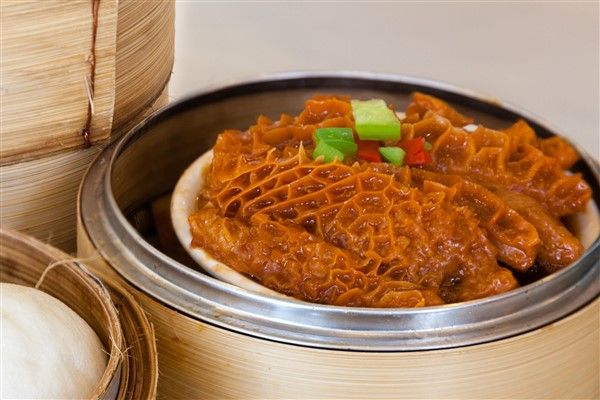
It can also be sliced thinly and added to soups, stir-fries, or steamed dishes. Each method highlights different aspects of its texture and flavor.
Pairing with Ingredients
Because of its mild taste, tripe pairs well with a wide range of ingredients. Herbs, spices, and aromatic vegetables are often used to enhance its flavor.
The choice of seasoning varies by culture, but the goal is usually the same: to create a balanced dish where the tripe complements the overall composition.

The Intersection of Science and Tradition
Learning Through Food
Tripe offers an interesting example of how traditional cooking practices align with scientific principles. Long before the chemistry of collagen was understood, cooks knew that slow cooking produced the best results.
This alignment between experience and science demonstrates how knowledge can develop through observation and practice.
Appreciating Complexity
Understanding the science behind tripe does not take away from its cultural significance. Instead, it adds depth to our appreciation. The ingredient becomes a point where biology, chemistry, and tradition intersect.
A Modern Perspective
Changing Attitudes Toward Traditional Foods
In recent years, there has been renewed interest in traditional ingredients like tripe. Many people are exploring diverse cuisines and seeking out authentic culinary experiences.
This shift has brought greater attention to foods that were once considered niche or unfamiliar.
Sustainability and Food Awareness
Tripe also aligns with modern discussions about sustainability. Using a wide range of ingredients can reduce waste and encourage more efficient use of resources.
This perspective connects traditional practices with contemporary values, showing that older methods can still be relevant today.
Conclusion: Curiosity at the Table
Honeycomb tripe may not look like a typical ingredient, but it carries a rich story shaped by science, culture, and human creativity. From its biological origins to its role in global cuisines, it represents the interplay between necessity and innovation.
What makes it truly fascinating is not just its texture or taste, but the way it invites curiosity. It challenges assumptions, encourages exploration, and rewards those willing to look beyond first impressions.
In the end, foods like tripe remind us that the unfamiliar is often an opportunity. By asking questions and seeking understanding, we expand not only our knowledge but also our appreciation of the world around us.
Sources
Food and Agriculture Organization of the United Nations. Meat Processing and By Products
Harold McGee. On Food and Cooking The Science and Lore of the Kitchen
USDA Food Safety and Inspection Service. Preparation of Meat Products
The Culinary Institute of America. The Professional Chef