


Hormones influence nearly every aspect of our well-being, from energy levels and bone health to metabolism and mood. As people become more interested in nutrition, many are discovering foods that contain naturally occurring plant compounds known as phytoestrogens. These substances have attracted scientific attention because they can interact with estrogen receptors in the body, although their effects are much milder than human estrogen.
One common misconception is that certain foods contain human estrogen. In reality, foods do not contain human estrogen. Instead, some plant foods contain phytoestrogens, naturally occurring compounds that may influence hormone activity in subtle ways. Researchers continue to study these compounds to better understand their potential benefits and limitations.
For most healthy individuals, phytoestrogen-rich foods can be part of a balanced diet. However, people with specific medical conditions, particularly hormone-sensitive conditions, should consult a qualified healthcare professional before making significant dietary changes.
Let’s explore five foods naturally rich in phytoestrogens and examine what current scientific research says about their potential role in supporting overall health.
What Are Phytoestrogens?
Phytoestrogens are naturally occurring plant compounds whose chemical structure resembles estrogen to a limited extent. Because of this similarity, they can interact with estrogen receptors in the human body.
Unlike the body’s own estrogen, phytoestrogens generally produce much weaker biological effects. Depending on an individual’s age, hormone levels, and overall health, they may either mildly activate or compete with estrogen receptors.
Scientists continue to investigate these complex interactions, and results often depend on factors such as overall diet, genetics, gut microbiome, and lifestyle.
Why Nutrition Matters for Hormonal Health
Hormonal balance depends on many interconnected factors.
Adequate sleep, regular physical activity, stress management, healthy body weight, and balanced nutrition all contribute to normal hormone function.
Rather than relying on any single “superfood,” experts generally recommend eating a wide variety of nutrient-rich foods that provide vitamins, minerals, healthy fats, protein, and fiber.
Phytoestrogen-containing foods fit into this broader pattern of healthy eating.
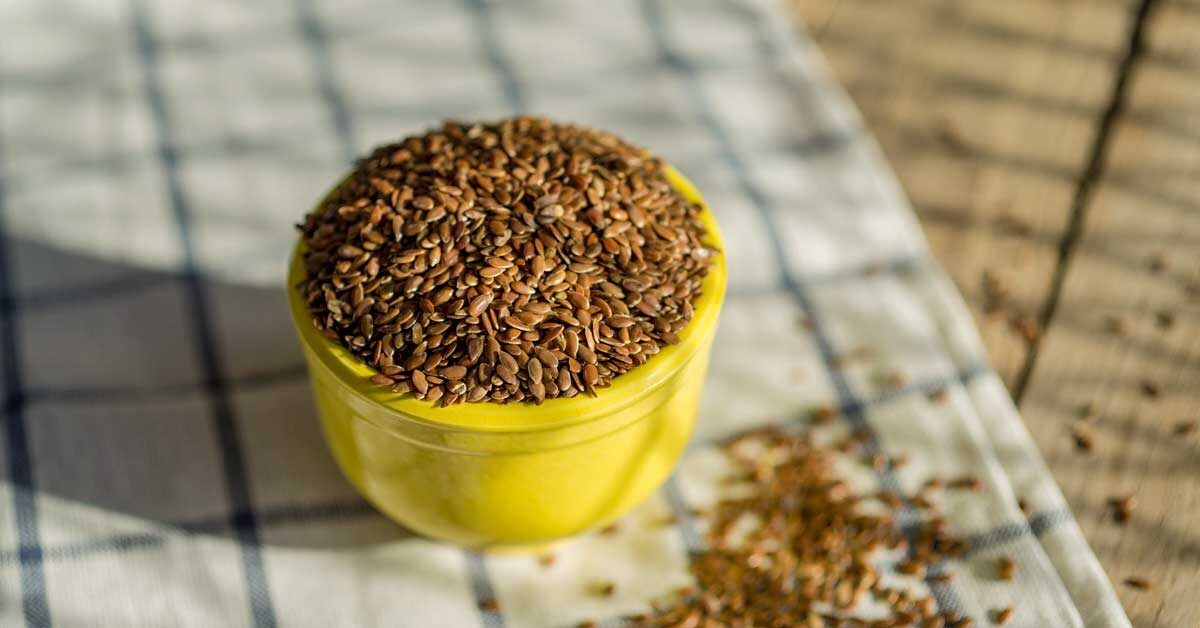
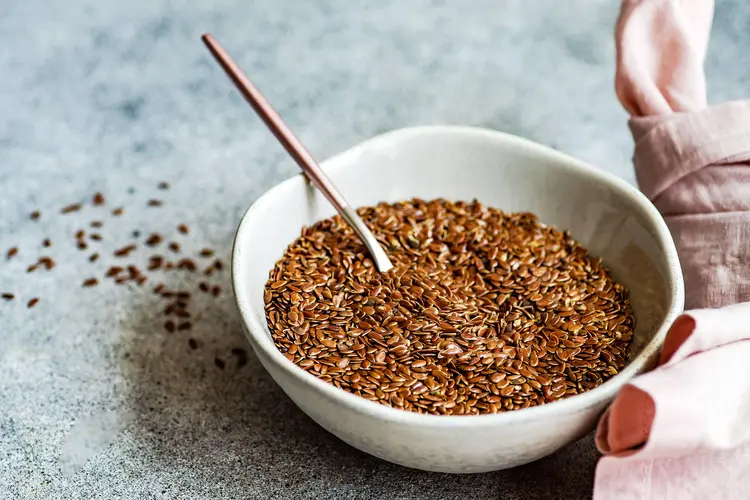
1. Flaxseeds: One of the Richest Sources of Lignans
Among all commonly consumed foods, flaxseeds are considered one of the richest dietary sources of lignans, a major class of phytoestrogens.
When consumed regularly as part of a balanced diet, flaxseeds provide numerous nutrients beyond lignans, including dietary fiber, plant protein, and omega-3 fatty acids.
Potential Benefits
Research suggests flaxseeds may contribute to several aspects of health.
Their high fiber content supports digestive health.
Omega-3 fats contribute to heart health.
Lignans continue to be studied for their possible influence on hormone metabolism.
Scientists emphasize that more research continues to improve our understanding of these effects.
Best Ways to Enjoy Flaxseeds
Ground flaxseed is generally absorbed more effectively than whole seeds.
Many people enjoy adding one or two tablespoons to oatmeal, yogurt, smoothies, cereal, or homemade baked goods.
Their mild, nutty flavor makes them easy to include in everyday meals.
2. Soy Foods: The Most Studied Phytoestrogens
Soybeans contain isoflavones, another well-researched group of phytoestrogens.
Unlike many nutrition topics that rely primarily on anecdotal evidence, soy has been extensively studied across numerous populations worldwide.
Current research suggests that moderate soy consumption can be part of a healthy eating pattern for most individuals.
Common Soy Foods
Edamame offers whole young soybeans rich in protein and fiber.
Tofu provides a versatile source of plant protein suitable for many recipes.
Tempeh combines soybeans with fermentation, adding a unique texture and flavor.
Miso contributes depth to soups and sauces.
Soy milk serves as a popular dairy alternative.
What Research Suggests
Numerous studies have explored soy’s relationship with bone health, heart health, and menopause-related symptoms.
While findings continue to evolve, many nutrition organizations recognize moderate soy consumption as safe for most healthy adults.
3. Sesame Seeds: Small Seeds With Big Nutritional Value
Sesame seeds contain lignans similar to those found in flaxseed, although in smaller amounts.
These tiny seeds also supply several important nutrients.
Calcium supports healthy bones.
Magnesium contributes to normal muscle and nerve function.
Zinc plays a role in immune function and normal cell growth.
Healthy unsaturated fats provide additional nutritional value.
Easy Ways to Add Sesame Seeds
Sprinkle toasted sesame seeds over salads or roasted vegetables.
Mix tahini into dressings, sauces, or hummus.
Include sesame seeds in homemade granola, breads, or snack bars.
Because they have a pleasant flavor, sesame seeds complement many cuisines.
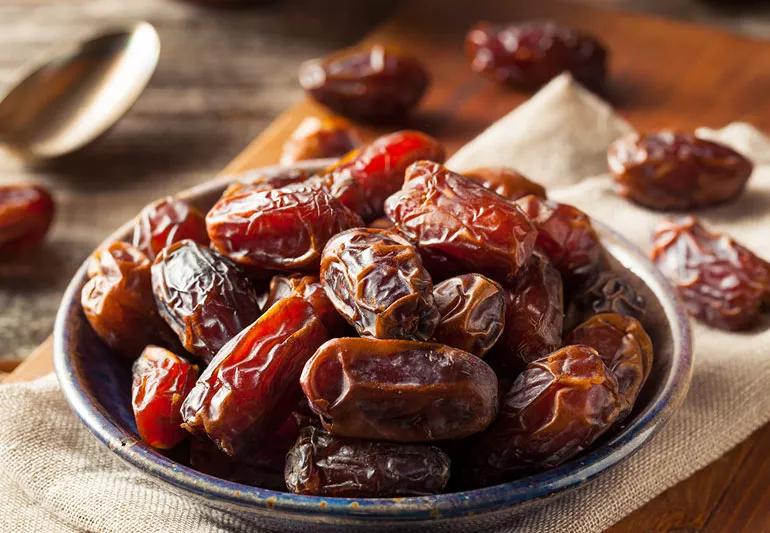
4. Dried Fruits: Naturally Sweet Sources of Plant Compounds
Several dried fruits contain modest amounts of phytoestrogens alongside valuable vitamins, minerals, antioxidants, and dietary fiber.
Examples include dried apricots, dates, prunes, and raisins.
Although dried fruits are naturally sweet, portion size remains important because water removal concentrates their natural sugars.
Nutritional Advantages
Fiber supports digestive health.
Potassium contributes to normal blood pressure regulation.
Antioxidants help protect cells from everyday oxidative stress.
When enjoyed in moderation, dried fruits make convenient snacks or additions to cereals and salads.
5. Legumes: More Than Just Plant Protein
Many legumes contain naturally occurring phytoestrogens along with impressive nutritional benefits.
Examples include chickpeas, lentils, black beans, kidney beans, and split peas.
Legumes provide excellent sources of plant protein and dietary fiber while remaining naturally low in saturated fat.
Why Legumes Deserve Attention
High fiber intake supports digestive health.
Plant protein contributes to muscle maintenance.
Legumes help promote long-lasting fullness.
Their combination of nutrients makes them valuable components of balanced eating patterns.
Common Myths About Phytoestrogens
Because hormones are complex, many myths continue circulating online.
One common misconception is that eating phytoestrogen-rich foods dramatically changes hormone levels.
Scientific evidence does not support this simplified view.
Instead, researchers describe phytoestrogens as compounds that may interact with hormone receptors in relatively mild and complex ways.
Another myth suggests that everyone should consume large quantities of phytoestrogen-rich foods.
Nutrition experts generally recommend moderation and dietary variety instead of excessive intake of any single food.
Who Should Speak With a Healthcare Professional?
Most healthy adults can safely enjoy phytoestrogen-containing foods as part of a varied diet.
However, individuals with hormone-sensitive medical conditions or those receiving specialized medical treatment should discuss dietary choices with their physician or registered dietitian.
Personalized medical guidance remains the best approach because individual health circumstances vary.
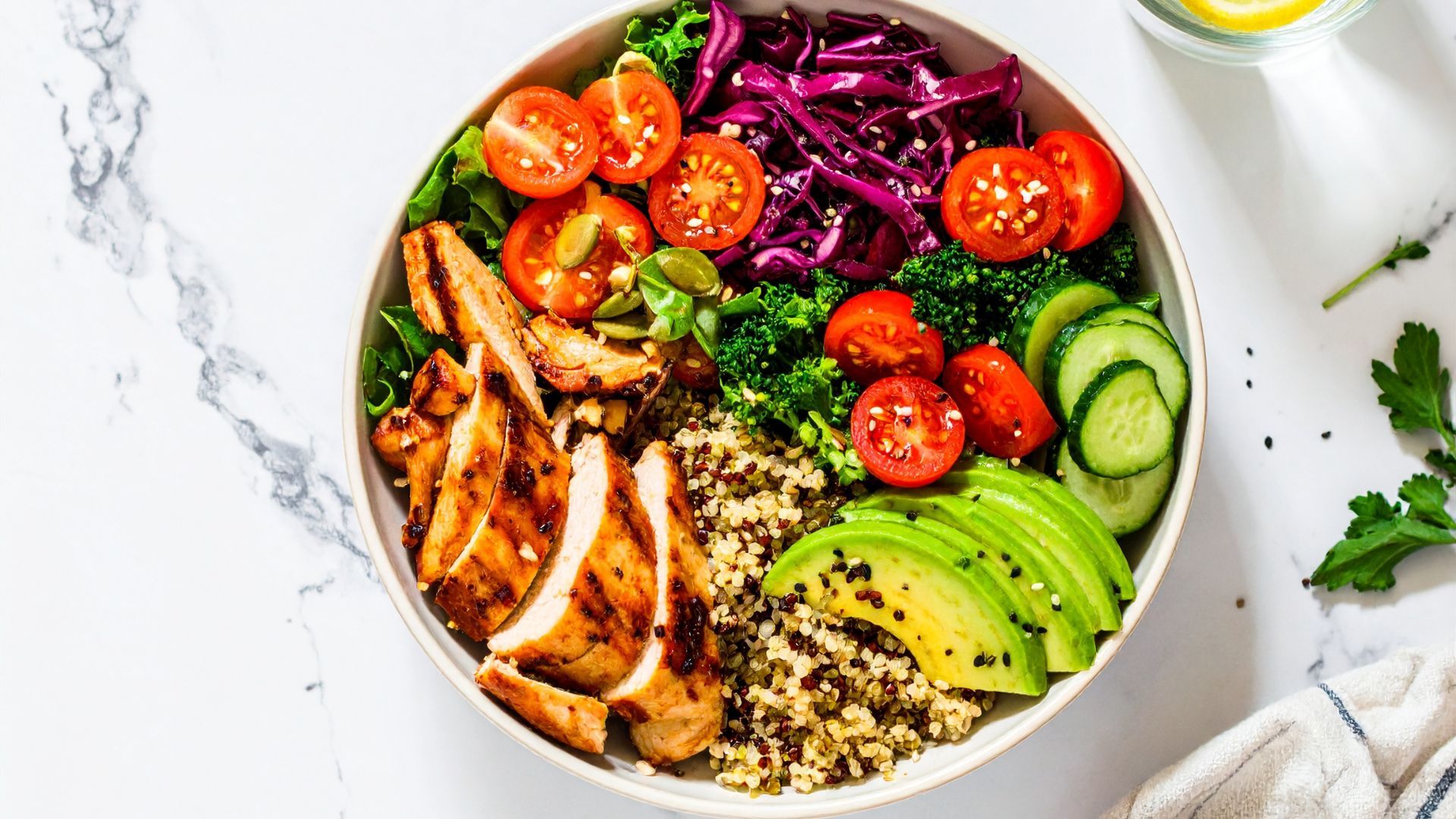
Building a Balanced Plate
Rather than focusing exclusively on phytoestrogens, nutrition experts encourage building meals around a variety of wholesome foods.
Colorful vegetables provide vitamins and antioxidants.
Whole grains contribute fiber and sustained energy.
Lean proteins support muscle health.
Healthy fats assist numerous body functions.
Fruits add valuable nutrients and natural sweetness.
When combined, these foods create eating patterns associated with long-term health.
The Ongoing Science of Nutrition
Nutrition science constantly evolves as researchers conduct larger and more detailed studies.
While phytoestrogens remain an active area of investigation, current evidence generally supports including naturally occurring plant foods within balanced dietary patterns for most people.
Scientists continue exploring how genetics, gut bacteria, age, and overall lifestyle influence individual responses to these compounds.
As research advances, recommendations may become even more personalized.
A Thoughtful Perspective on Natural Nutrition
People have long searched for foods believed to promote vitality and healthy aging. Across different cultures, seeds, legumes, fruits, and soy-based foods have been valued not only for their flavor but also for their nutritional qualities.
Modern science provides a more detailed understanding of how these foods contribute to overall health while reminding us that no single ingredient serves as a complete solution. Instead, lasting wellness is typically built through consistent healthy habits, balanced nutrition, regular physical activity, and informed choices guided by reliable evidence.
Phytoestrogen-rich foods illustrate this principle well. They offer interesting possibilities supported by ongoing research, yet they work best as part of a diverse and nutritious diet rather than as miracle foods.
Human curiosity continues to drive discoveries about nutrition and health. As researchers learn more about how natural compounds interact with the body, we gain a deeper appreciation for the remarkable relationship between food, science, and everyday well-being.
Sources
-
Harvard T.H. Chan School of Public Health. The Nutrition Source. https://www.hsph.harvard.edu/nutritionsource/
-
Academy of Nutrition and Dietetics. https://www.eatright.org/
-
National Institutes of Health Office of Dietary Supplements. https://ods.od.nih.gov/
-
American Heart Association. Healthy Eating Resources. https://www.heart.org/
-
Mayo Clinic. Healthy Lifestyle and Nutrition. https://www.mayoclinic.org/