

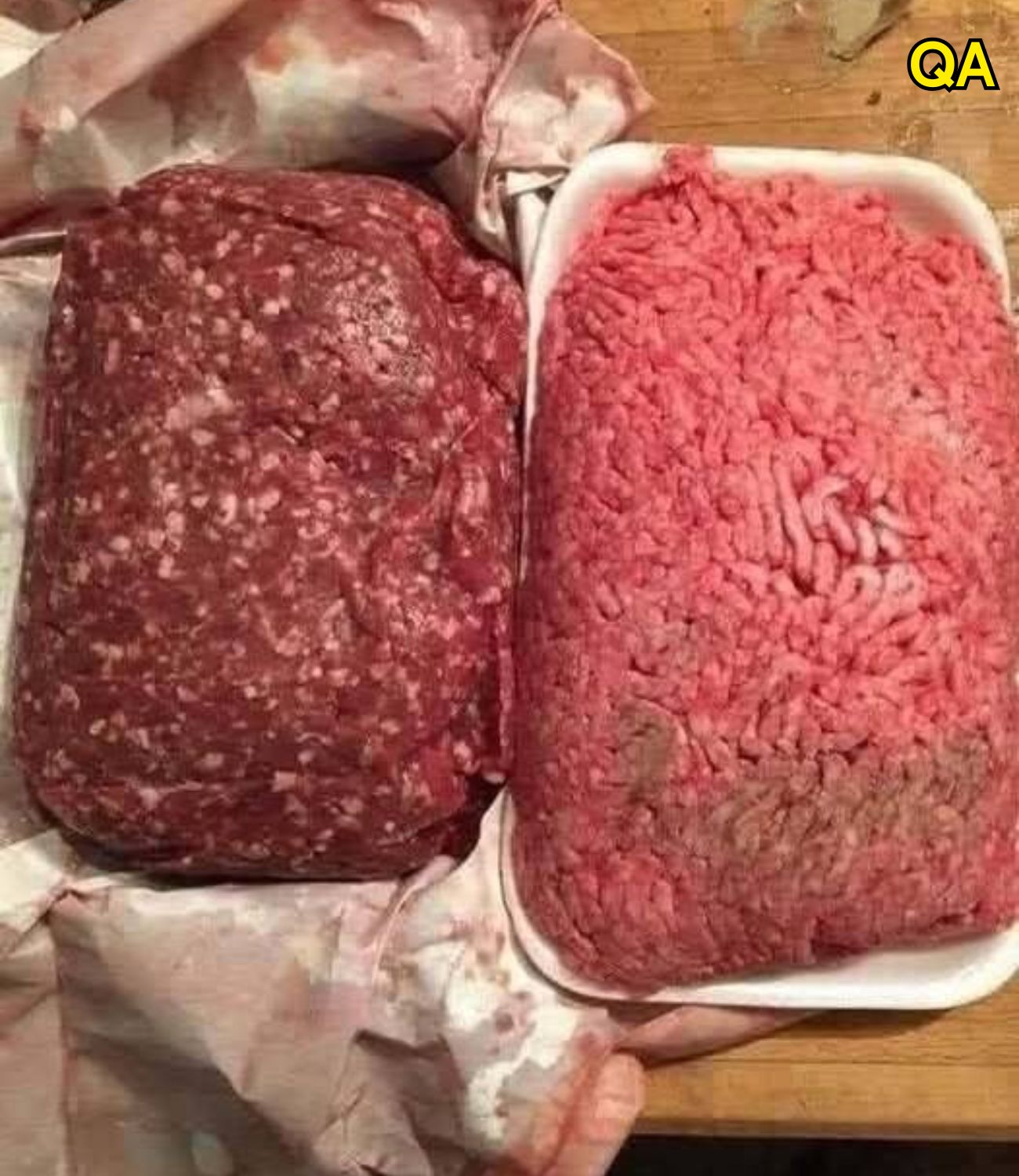
Walk into any supermarket and you’ll see neatly packaged chicken labeled “farm-fresh,” “natural,” or “free-range.” The imagery often suggests open fields, sunshine, and traditional farming methods. It feels reassuring, even wholesome.
But how accurate is that picture?
The answer is more nuanced than many people expect. Understanding modern poultry production requires looking beyond marketing language and exploring the science, regulations, and real-world practices that shape what ends up on your plate.
What Does “Farm-Fresh” Actually Mean
One of the biggest misconceptions is that “farm-fresh” has a strict, universal definition.
In many markets, including the United States, terms like “farm-fresh” and “natural” are not tightly regulated when it comes to animal living conditions. They are often used as marketing phrases rather than verified indicators of farming practices.
This does not mean the label is misleading by default. It simply means it may not provide detailed information about how the chicken was raised.
For consumers, the key takeaway is that not all labels carry the same level of transparency.

How Modern Poultry Farming Works
Today’s poultry industry is highly efficient and designed to meet global demand for affordable protein.
Most chickens raised for meat belong to breeds selected for fast growth and high yield. This is the result of decades of selective breeding, not necessarily artificial modification, but it does lead to rapid development compared to traditional breeds.
From a production standpoint, this efficiency allows chicken to remain one of the most accessible protein sources worldwide.
From a scientific perspective, researchers in Agricultural Science examine how to balance productivity with animal health and environmental sustainability.
Growth Rates and Animal Welfare
One area of discussion in poultry farming is growth rate.
Modern broiler chickens grow significantly faster than earlier generations. While this improves efficiency, it also requires careful management to maintain animal well-being.
Veterinary science and farm management practices play a critical role here. Proper nutrition, housing conditions, and monitoring systems are used to support healthy development.
There is ongoing debate among scientists, farmers, and advocacy groups about what constitutes optimal conditions. This conversation continues to shape industry standards and consumer expectations.

Living Conditions: What Varies Across Systems
Not all chicken production systems are the same.
Some farms use conventional indoor housing, while others offer access to outdoor spaces under “free-range” or “pasture-raised” systems.
Even within these categories, conditions can vary widely. For example, “free-range” may simply mean access to an outdoor area, but the size and usage of that space can differ.
Because of this variability, third-party certifications often provide more reliable insight than general labels.
The Role of Regulations and Certifications
Government agencies such as the USDA oversee food safety and labeling, but not all welfare claims are strictly defined.
This is where independent certifications become important. Labels like “Certified Humane” or “Animal Welfare Approved” typically involve audits and specific standards related to space, care, and treatment.
For consumers seeking clarity, these certifications can be more informative than general marketing terms.
Health and Nutrition: What Science Says
Chicken remains a widely recommended protein source due to its nutritional profile.
It is rich in protein, contains essential vitamins such as B6 and B12, and is generally lower in fat compared to some other meats.
Concerns about antibiotics and residues are often raised in discussions about industrial farming. Regulations in many countries require withdrawal periods to ensure that meat entering the food supply meets safety standards.
Research in Food Science continues to evaluate how farming methods influence nutritional quality.
While differences can exist between production systems, overall chicken remains a safe and nutritious option when sourced from regulated markets.
Environmental Considerations
Poultry farming has both benefits and challenges from an environmental perspective.
On one hand, chickens are relatively efficient converters of feed into protein, meaning they require fewer resources compared to some other livestock.
On the other hand, large-scale production can contribute to issues such as waste management and resource use.
Sustainable farming practices aim to reduce these impacts through improved feed efficiency, waste recycling, and better land management.
Consumers who are concerned about environmental impact may look for producers that emphasize sustainability.
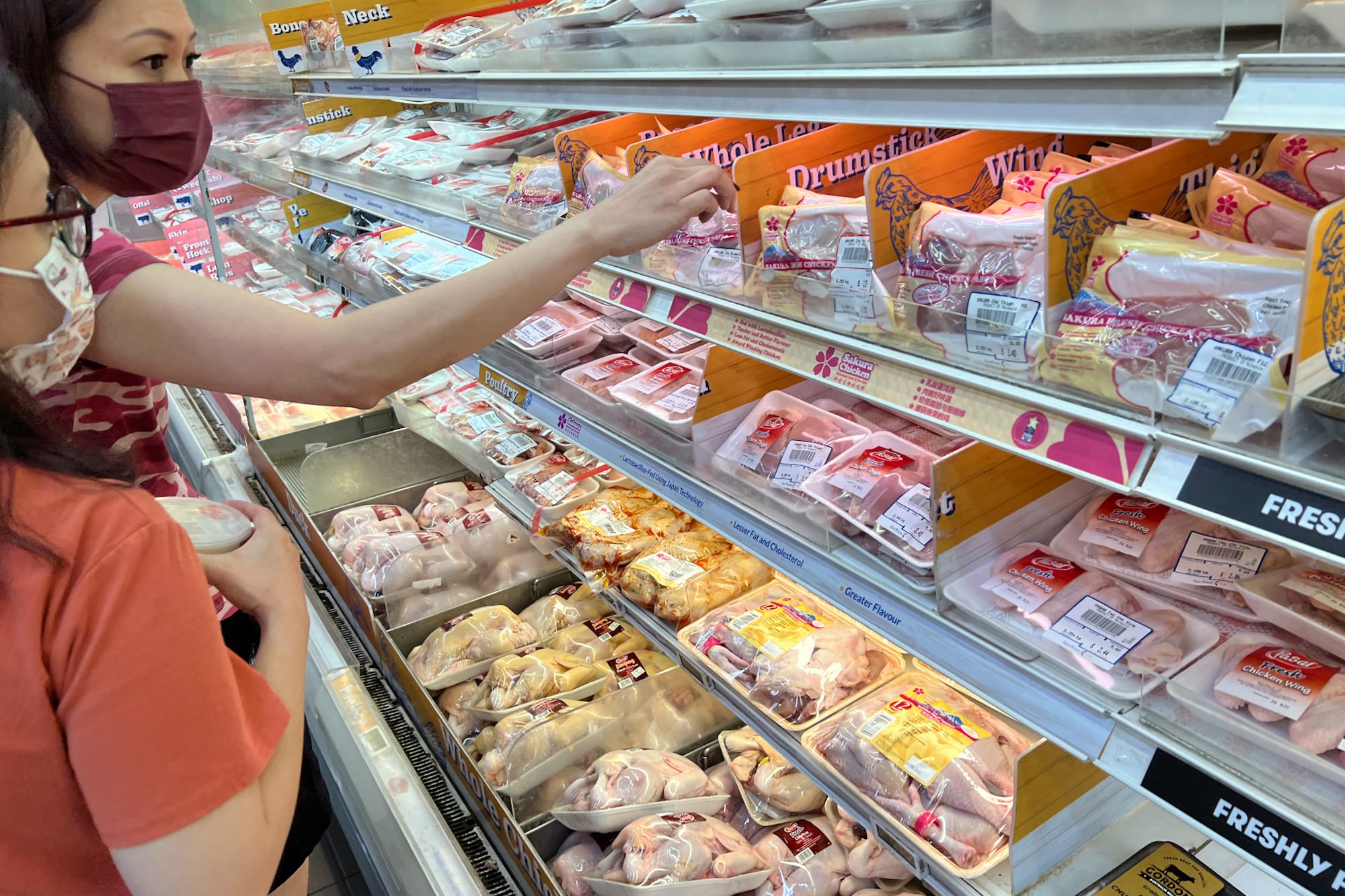
The Ethical Dimension
Ethical considerations play a growing role in consumer decisions.
Some people prioritize affordability and accessibility, while others focus on animal welfare or environmental impact.
This creates a spectrum of choices rather than a single “correct” option.
The rise of alternative labels and local sourcing reflects increasing demand for transparency. At the same time, cost remains a significant factor for many households.
Balancing these priorities is part of an ongoing global conversation about food systems.
Practical Tips for Consumers
Understanding the complexity of poultry production can help you make more informed decisions.
Start by reading labels carefully and recognizing that not all terms are equally regulated. Look for certifications if animal welfare is a priority.
Consider where your food comes from. Local farms, when available, may offer greater transparency about their practices.
Think about your priorities. Whether it is price, nutrition, sustainability, or ethics, aligning your choices with your values can make shopping decisions clearer.
Finally, remember that variety matters. A balanced diet includes multiple protein sources, not just chicken.
Media Narratives vs Reality
Articles about food production often emphasize one side of the story, either highlighting concerns or defending industry practices.
The reality usually lies somewhere in between.
Modern poultry farming is a complex system shaped by science, economics, regulation, and consumer demand. Simplifying it into a single narrative can overlook important details.
A balanced perspective considers both the benefits and the challenges.

A Reflection on Curiosity and Choice
Why do topics like “farm-fresh” chicken attract so much attention?
Because they sit at the intersection of trust, health, and everyday life.
Food is personal. It connects to culture, family, and well-being. When questions arise about how it is produced, curiosity naturally follows.
Science provides data. Labels provide signals. But ultimately, consumers interpret and decide.
In the end, understanding what’s behind the label is less about uncovering a single hidden truth and more about navigating a complex system with awareness.
By asking questions, seeking reliable information, and making intentional choices, consumers play an active role in shaping the future of food production.
Sources
NTNews999. The Hidden Truth Behind “Farm-Fresh” Chicken. ntnews999.store
United States Department of Agriculture (USDA). Poultry labeling and safety guidelines
Food and Agriculture Organization (FAO). Global livestock production systems
Journal of Agricultural Science. Poultry production and sustainability research
Harvard T.H. Chan School of Public Health. Nutrition and protein sources