

Understanding Premature Birth: Challenges, Medical Care, and the Importance of Community Support
The birth of a child is typically one of the most profound and joyous occasions in a family’s life. As expectant parents prepare for their new arrival, they envision the happiness, excitement, and love that will fill their homes. However, this journey can sometimes take unexpected turns, leading to situations that necessitate urgent medical intervention, such as premature birth. This article explores the multifaceted nature of premature birth, the challenges it poses, the critical medical care involved, and the vital role community support plays during such trying times.

Understanding Premature Birth
Premature birth, also known as preterm birth, is defined as the birth of an infant before 37 weeks of gestation have been completed. A typical pregnancy lasts about 40 weeks, so premature babies are born ahead of schedule, often resulting in various health challenges. According to the World Health Organization (WHO), approximately 15 million babies are born prematurely each year, and this figure has been rising. Premature birth can arise from several factors, including maternal health issues, multiple pregnancies, infections, and stress. Each of these elements can complicate the gestation period, leading to early labor.
The Medical Implications of Premature Birth
Premature infants may face a variety of health complications due to their early arrival. These can range from mild to severe, including breathing difficulties, temperature regulation issues, feeding challenges, and increased risk of infections. The care of a premature infant frequently requires specialized medical attention in a neonatal intensive care unit (NICU), where healthcare professionals monitor and support the baby’s needs closely.
The degree of care required often correlates with how premature the baby is. For instance, extremely preterm infants, born before 28 weeks, face significant risks and often require extensive medical intervention. Modern medicine has made significant strides in reducing mortality rates among these premature infants. Interventions such as respiratory support, nutritional care, and temperature management can dramatically improve outcomes for many newborns. This underscores the importance of neonatal care units and the expertly trained staff who work within them.
Challenges for Families
For families facing premature birth, the emotional and psychological challenges can be just as daunting as the medical ones. Parents may experience anxiety, fear, and uncertainty regarding their newborn’s health and future. The need for constant medical care can create stress, and parents may find themselves navigating a complex healthcare system while also managing their personal emotions.
The experience of premature birth can also have a lasting impact on families. Bonds may be tested, and dynamics may change as parents juggle their time between the hospital and home, often unable to bring their newborn home right away. Support systems become crucial during this time. Family, friends, and community resources can provide essential emotional and practical support to help families cope with the situation.
The Role of Community Support
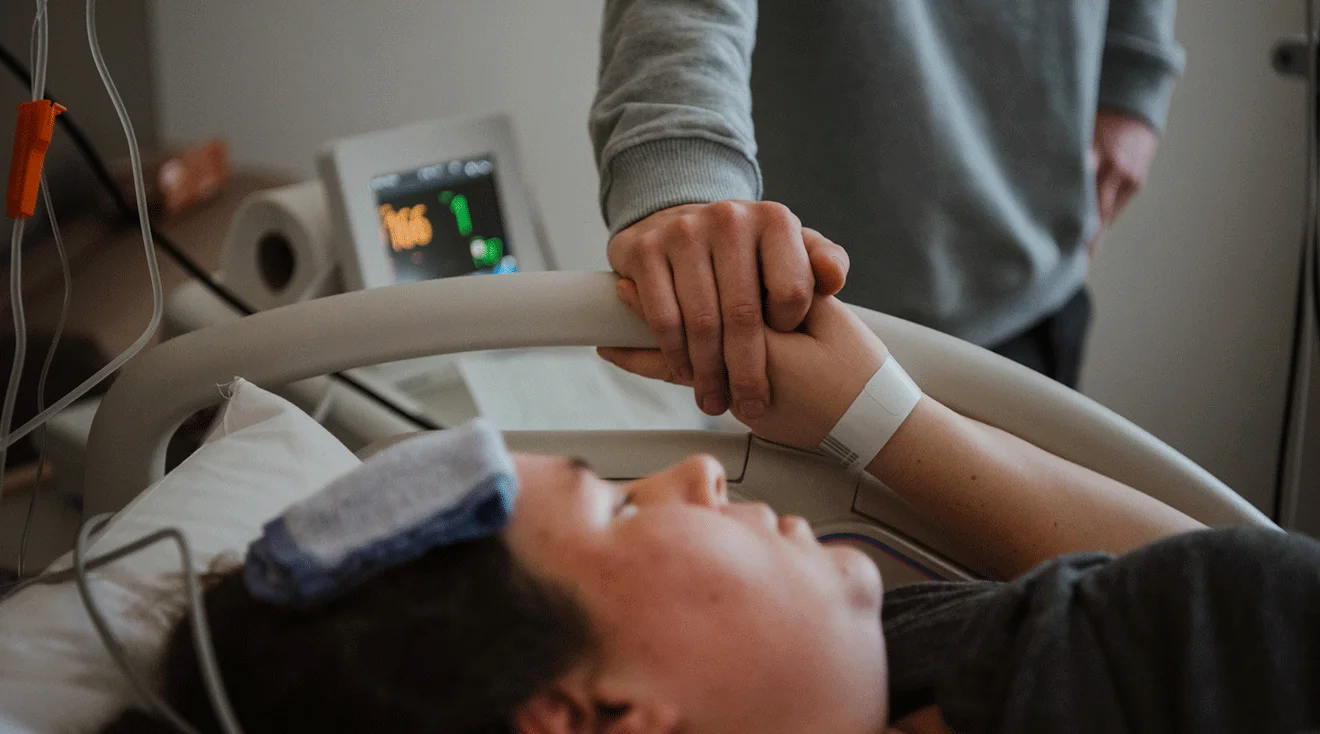
Community support can play an invaluable role in easing the burdens faced by families dealing with premature birth. Local organizations, support groups, and online communities often serve as lifelines, providing resources and connections to families in similar situations. These communities foster an environment of understanding and empathy, allowing parents to share their experiences and advice.
Additionally, healthcare providers often recommend support groups as a means to help families process their experiences. Connecting with others who have walked a similar path can alleviate feelings of isolation and provide comfort during a tumultuous time. Having an understanding network can also facilitate access to helpful resources, including education about caring for a premature infant, financial aid options, or even emotional counseling.
Continued Research and Medical Advancements
Ongoing research into the causes and effects of premature birth is crucial. Investigations are continuously being conducted to better understand how various factors contribute to premature labor. This research helps in developing new interventions that could potentially reduce the incidence of premature births. Innovations in prenatal care, for example, have the potential to improve outcomes for mothers and their babies. Studies have shown that interventions such as progesterone supplementation can help lower the risk of preterm birth in at-risk women.
Medical professionals advocate for increased awareness around premature birth, emphasizing the need for comprehensive prenatal care. This awareness can lead to earlier identification of high-risk pregnancies and appropriate management strategies, ultimately aiming to enhance the health of both mothers and infants.

Global Perspectives on Premature Birth
Globally, the rates of premature birth vary, with some countries experiencing significantly higher rates than others. Issues such as access to healthcare, maternal education, and socioeconomic factors play a significant role in these disparities. For example, according to WHO data, low- and middle-income countries are often more affected by premature births largely due to limited healthcare access and resources.
International efforts to address this issue focus on educating and empowering women, ensuring that they receive the necessary medical care before and during pregnancy. Collaborative partnerships between countries and global health organizations are essential in sharing best practices and developing policies that protect maternal and infant health.
Conclusion
Understanding premature birth is paramount in fostering awareness and support for those affected by it. The challenges faced by families navigating this experience underscore the need for compassionate medical care, as well as robust community support systems. As we continue to advance our medical knowledge and resources dedicated to premature infants, we must also remain vigilant in educating society about the complexities surrounding this issue. Promoting awareness and empathy can significantly impact the lives of families experiencing premature birth, offering them a source of hope and encouragement during an undoubtedly difficult time.