

It often begins during a quiet evening at home. Perhaps you are brushing your child’s hair after a bath, or sitting together on the couch watching television, when something catches your eye. A tiny, dark speck moves among the strands, and in an instant, your heart sinks. Your mind begins to race through every possibility. Is it a head louse? A tick? Something you have never encountered before? That moment of uncertainty can feel completely overwhelming, yet it is far more common than most parents ever realize.
In 2026, children are engaging with the outdoors more than ever before. From school playgrounds and hiking trails to weekend camping trips and backyard adventures, tiny uninvited guests have become a surprisingly normal part of active childhood. Insects such as lice, ticks, and occasional accidental visitors hitch rides home without anyone noticing, and discovering them for the first time can trigger an immediate wave of anxiety in even the most experienced parent.
The good news is that calm, informed action is always more effective than panic. Before reaching for harsh chemical treatments or rushing to an emergency clinic, take a slow, steady breath. Most insects found in a child’s scalp or hair fall into a few well-known categories, each with distinct characteristics, behaviors, and treatment approaches that are entirely manageable for modern families.
Starting with Careful Observation
The very first step is not treatment. It is identification. Carefully inspect the scalp under bright, natural lighting. A small flashlight or magnifying glass can make a significant difference. Pay close attention to size, shape, color, movement, and how the insect is positioned on the hair or skin. These details help distinguish between the most common culprits and prevent unnecessary overreaction or incorrect treatment.
The Head Louse: The Most Common Visitor
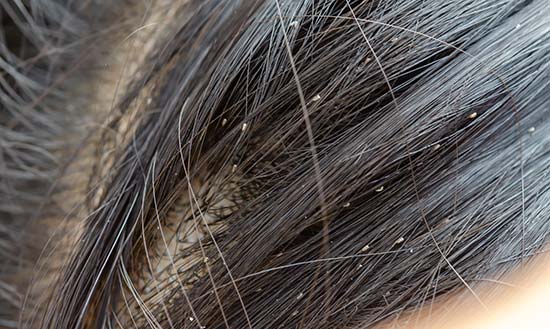
Head lice are small, wingless insects roughly the size of a sesame seed. They are typically pale gray or tan in color and cannot fly or jump. Instead, they use their specially adapted legs to cling tightly to human hair, preferring warm areas near the neckline and behind the ears.
The most reliable sign of a lice infestation is the presence of nits, which are tiny, teardrop-shaped eggs firmly attached to individual hair shafts. Unlike dandruff or dust, nits do not flake off easily when touched. They remain stubbornly glued close to the scalp and are most visible when hair is carefully parted under good lighting.
One important update in 2026 is the growing awareness that certain lice populations have developed resistance to older chemical-based treatments. As a result, wet combing has become the gold standard for safe and effective removal. The process involves applying a generous layer of hair conditioner to damp hair, which temporarily immobilizes the lice, and then using a fine-toothed metal nit comb to methodically work through sections of hair from root to tip. Repeating this process every two to three days for approximately two weeks ensures that newly hatched lice are removed before they reach maturity, all without exposing children to unnecessary chemical substances.
The Tick: A Visitor That Stays Put
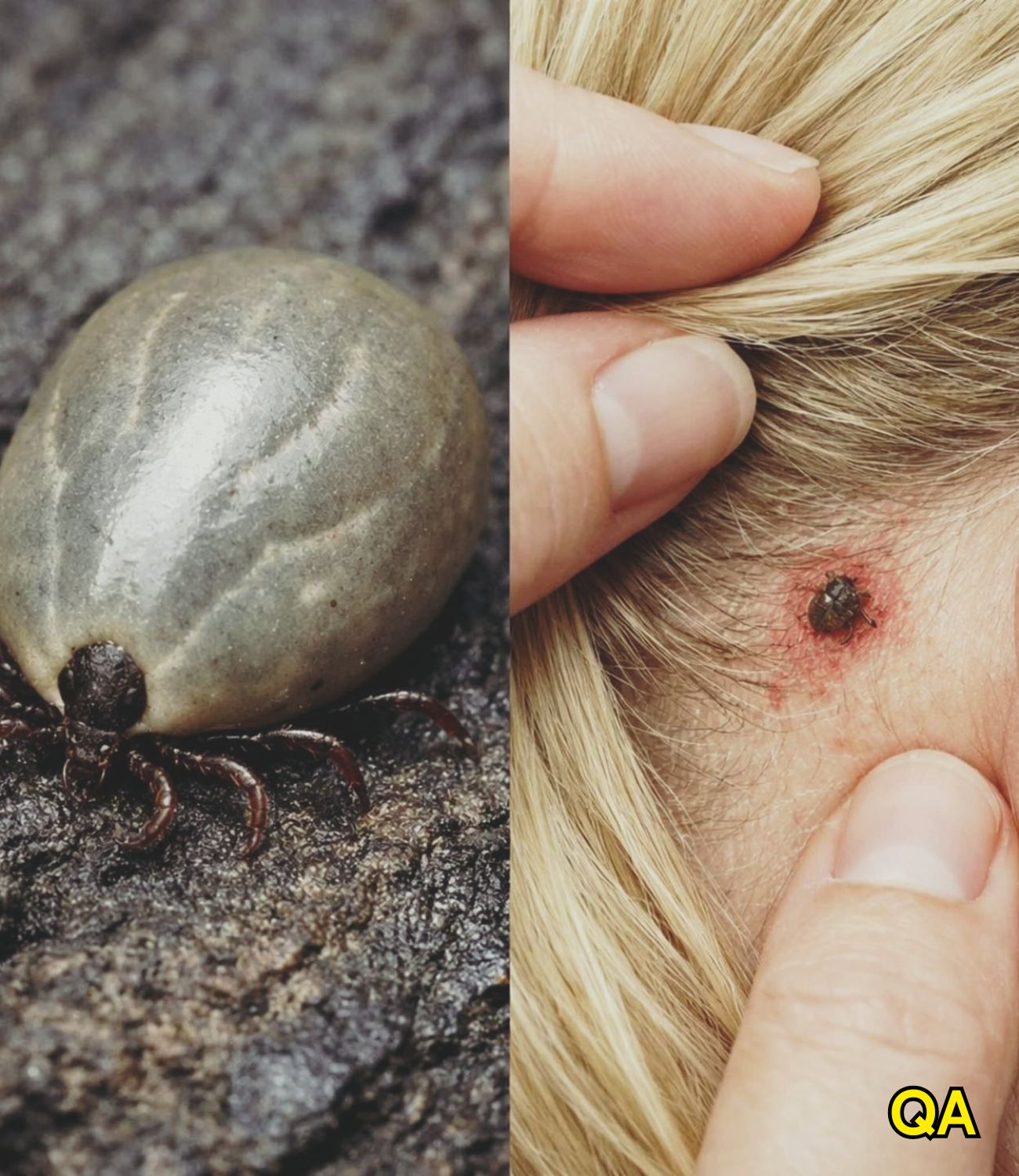
Ticks look noticeably different from lice. They are dark, flat, and oval-shaped when unfed, but can swell to resemble a tiny gray or brownish bean when they have been feeding for some time. Unlike lice, which move through the hair, a feeding tick will be completely stationary, embedded directly into the skin.
If you discover a tick on your child’s scalp, the most important thing is to remove it carefully and correctly. Using sterilized tweezers, grasp the tick as close to the skin’s surface as possible. Pull upward with slow, steady pressure and avoid twisting or jerking, as this can cause parts of the tick to break off and remain in the skin, increasing the risk of complications.
After removal, place the tick in a small container of rubbing alcohol to ensure it poses no further risk. In 2026, several smartphone applications allow parents to photograph and identify insect species quickly, providing guidance on next steps and helping determine whether a follow-up consultation with a healthcare provider is advisable. Monitoring your child for any unusual symptoms such as a rash around the bite site, fever, or fatigue in the days following tick removal is always a sensible precaution.
The Accidental Visitor: No Cause for Alarm
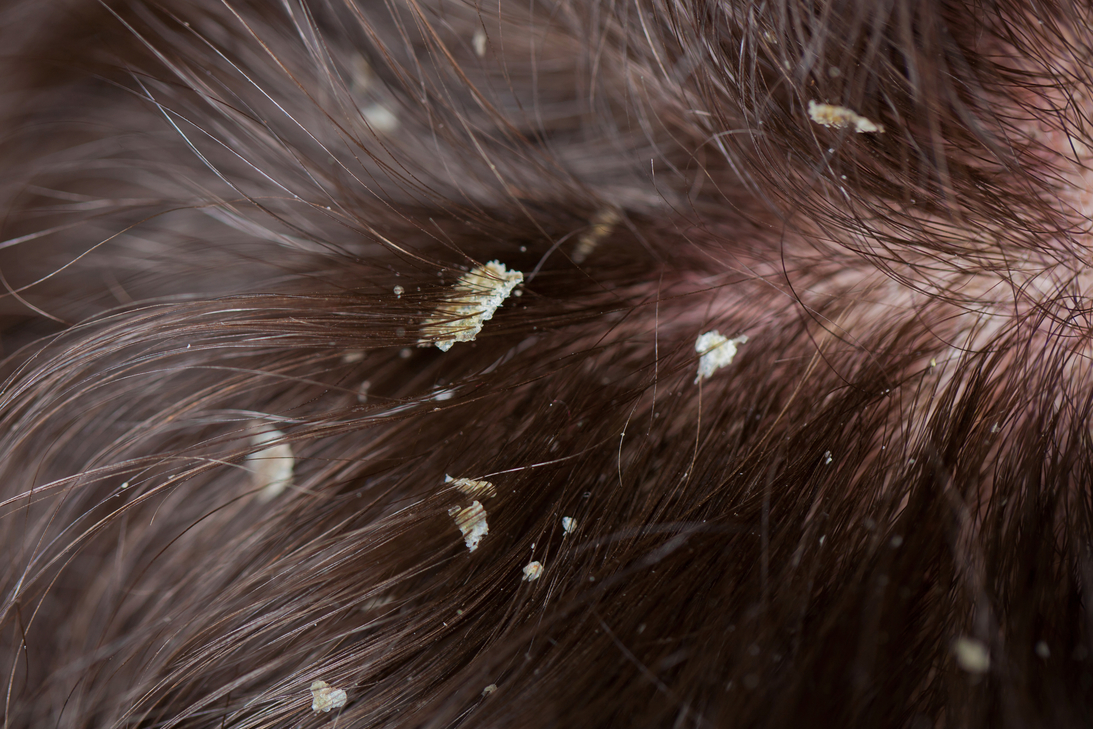
Occasionally, a completely unrelated insect such as a small beetle or another harmless outdoor bug may end up in a child’s hair after outdoor play or time spent near garden areas. These visitors appear as isolated incidents, with no eggs and no pattern of repeated sightings. They have no interest in taking up residence on a human scalp and are typically easy to remove with gentle handling. A single sighting without any other signs of infestation rarely requires further action beyond careful observation.
The Itching Myth Worth Debunking
Many parents assume that an itchy scalp is the first and most reliable warning sign of an insect infestation. In reality, itching is not an immediate indicator at all. Lice or other insects can be present on the scalp for days or even several weeks before any itching occurs. The sensation typically results from an allergic response to insect saliva rather than from the physical movement of the insects themselves. Some children never experience any itching at all, even with a confirmed infestation. This is precisely why regular visual checks of the scalp are far more reliable than waiting for a child to scratch as a signal.
Practical Treatment for the Modern Family
For lice, the wet combing method described above remains both effective and safe. High-quality fine-toothed metal combs, a good magnifying glass, and patience are the essential tools. Persistence across two weeks is key to breaking the hatching cycle and achieving complete removal.
For the home environment, lice cannot survive for long away from a human host. Washing pillowcases, hats, and frequently used fabric items in hot water is sufficient. Toys and hard surfaces can simply be wiped down. There is no need for extreme or costly household measures, and excessive chemical spraying of the home environment is generally not recommended.
Moving Past the Social Stigma
One of the most painful parts of discovering insects in a child’s hair is the unnecessary shame and embarrassment that many parents feel. There is a persistent but entirely false association between lice or ticks and poor hygiene or inadequate parenting. The truth is that lice thrive equally in clean and unwashed hair. Ticks prefer active, curious children who spend time exploring nature. The presence of these insects reflects outdoor engagement and normal childhood activity, not cleanliness, parenting quality, or neglect.
A grandmother’s steady wisdom is worth remembering here. Nana, who raised children through decades of outdoor summers, always treated insect discoveries with calm practicality rather than alarm. A bug, she would say, is simply a natural intruder. It tells you your child has been curious and adventurous. Her weekly ritual of adding a small amount of tea tree oil to the family shampoo was a gentle, natural preventive measure that reduced the likelihood of repeat visits while becoming a comfortable part of the family routine.
Building Awareness and Healthy Habits
Teaching children to brush and inspect their hair regularly, to avoid sharing combs and hats, and to check themselves after time spent in wooded or grassy areas builds lifelong awareness without creating unnecessary fear. Child-safe insect repellent and lightweight hats can significantly reduce tick encounters during outdoor activities while still allowing children to enjoy and explore the natural world freely.
Children are also remarkably perceptive when it comes to reading their parents’ emotional state. Handling insect discoveries calmly, explaining what is happening in simple and reassuring language, and involving older children in the removal process in an age-appropriate way helps reduce their anxiety and transforms an uncomfortable situation into a meaningful learning experience.
A Manageable Part of Childhood
Technology continues to support parents in 2026 with better resources than ever before. Identification apps, pediatric guidance platforms, and online community forums allow families to access accurate, science-based information quickly and confidently. School and childcare communication channels often provide timely alerts when infestations are circulating, making coordinated and community-aware responses more practical than ever.
The most important thing to carry away from any encounter with scalp insects is perspective. These infestations are temporary, non-harmful in the vast majority of cases, and entirely treatable with the right approach. A bug discovered in your child’s hair is not a crisis. It is a momentary challenge that calls for calm observation, proper identification, methodical removal, and a few weeks of consistent follow-up.
The next time a tiny, unexpected visitor appears in your child’s hair, take a breath, reach for the flashlight and comb, and trust that you have everything you need to handle it well. Every parent has been through a scalp scare of one kind or another. With the right knowledge in hand, what once felt frightening becomes simply another ordinary part of raising an active, curious, wonderfully adventurous child.