



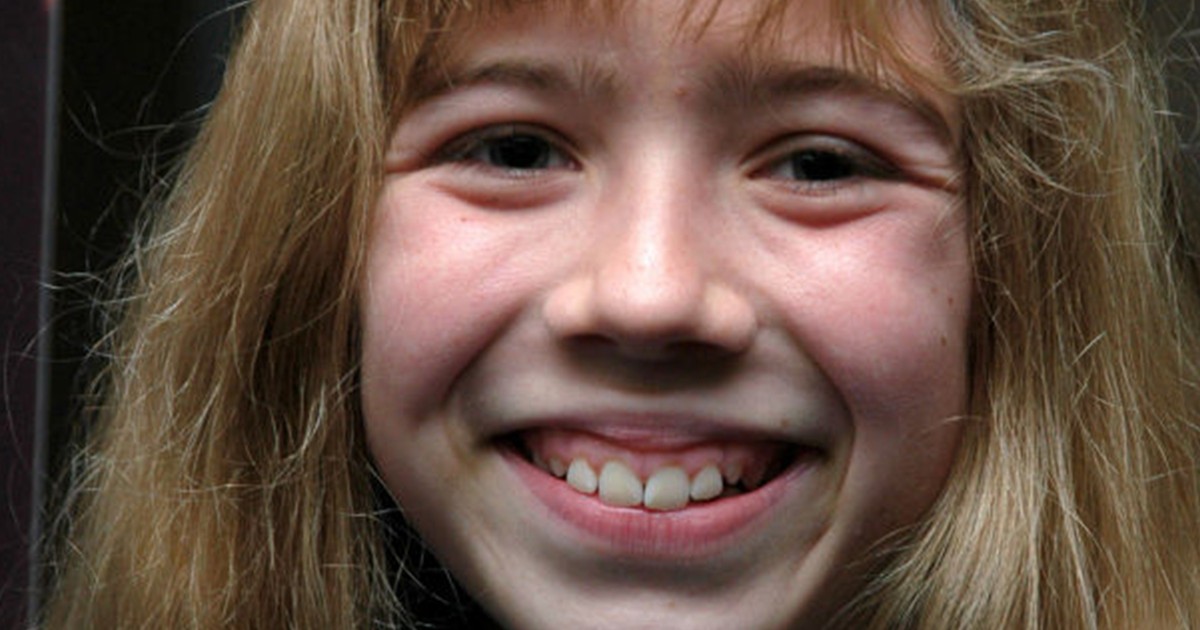
Jennette McCurdy’s Journey From Child Star to Bestselling Author
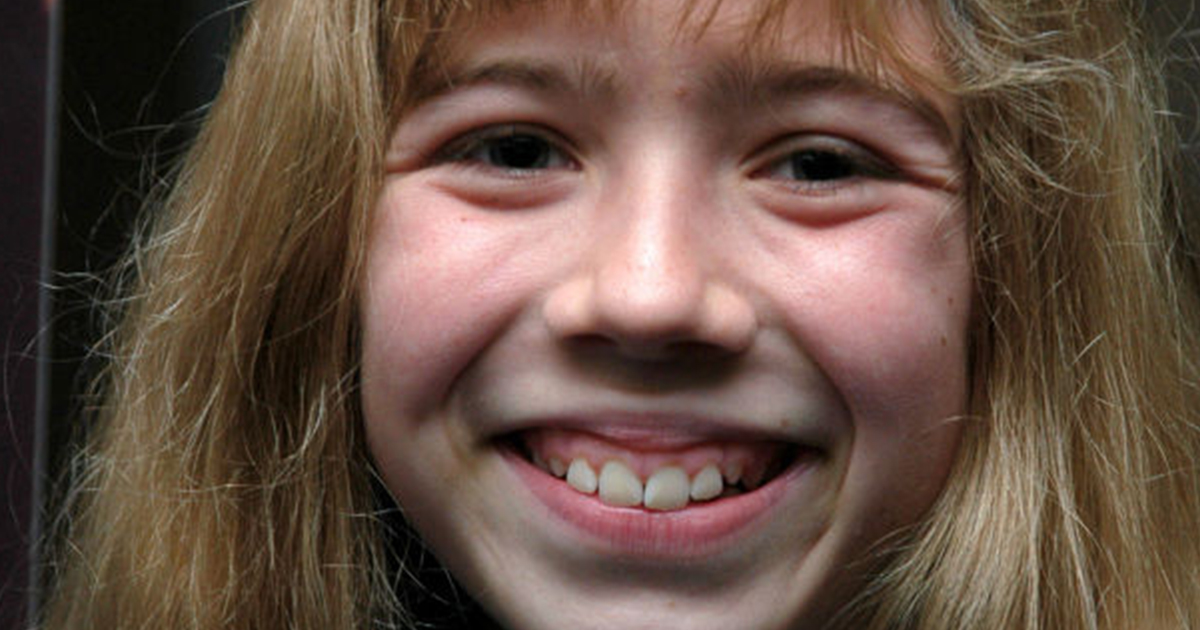
Jennette McCurdy became widely known as a young television performer, appearing in popular Nickelodeon comedies including iCarly and Sam & Cat. To many viewers, she was a funny, confident and energetic presence on screen. In later years, however, McCurdy shared a far more complicated account of her childhood, family life and experience in entertainment.
Her 2022 memoir, I’m Glad My Mom Died, brought those experiences into public discussion. The book became a major bestseller and prompted broader conversations about child performers, family pressure, mental health, privacy and the importance of support systems for young people working in highly visible industries.
McCurdy’s story is ultimately not only about television fame. It is also about finding independence, seeking professional help, developing a creative voice and building a life beyond the expectations placed on her as a child.
Early Life in California
Jennette McCurdy was born on June 26, 1992, and grew up in Garden Grove, California. In interviews and in her memoir, she has described a financially strained household and an upbringing shaped by her family’s membership in The Church of Jesus Christ of Latter-day Saints. She was homeschooled for much of her childhood, an experience that she said limited her contact with peers and contributed to feelings of isolation.
In I’m Glad My Mom Died, McCurdy writes about difficult circumstances at home, including clutter associated with her mother Debra McCurdy’s hoarding behavior. Her mother had experienced cancer, and McCurdy has described how illness, financial insecurity and family stress affected the household. These details are presented as McCurdy’s personal recollections and perspective, rather than as a complete account from every member of her family.
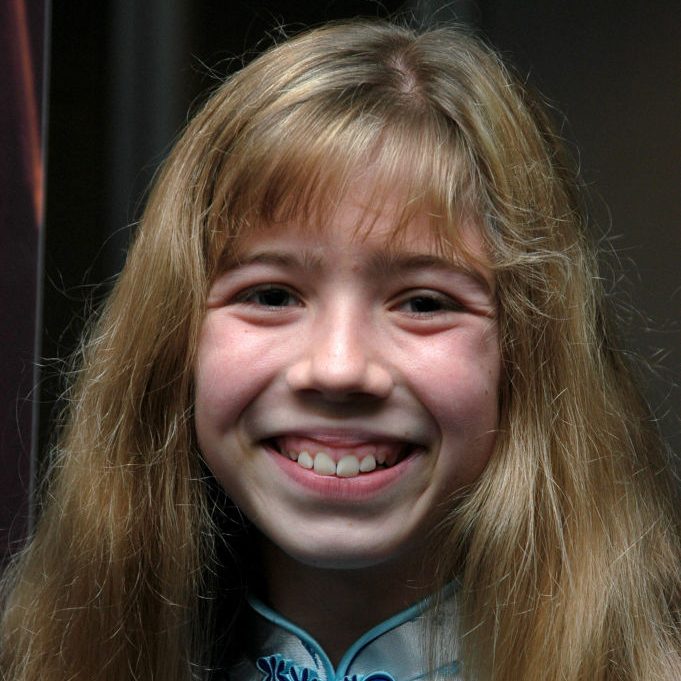
McCurdy also learned after her mother’s death that the man she had believed to be her biological father was not her biological parent. She later discussed meeting her biological father, Andrew, in interviews. The revelation added another difficult dimension to a period of grief and self-discovery.
Her experiences illustrate why childhood circumstances can have lasting effects. Researchers and mental-health organizations consistently note that children benefit from stable relationships, access to education, opportunities for social connection and appropriate professional support when families face serious illness, financial hardship or other stressors.
How Jennette McCurdy Entered Acting
McCurdy began acting as a child. She has said that seeing Harrison Ford in Star Wars: Episode IV – A New Hope inspired her early interest in performance. Her mother strongly encouraged her to pursue acting, and McCurdy made an early television appearance on Mad TV in 2000.
From there, she accumulated guest roles in television productions before becoming a familiar face on youth-oriented programming. Her best-known role was Sam Puckett on Nickelodeon’s iCarly, which premiered in 2007. Sam was presented as outspoken, impulsive and fiercely loyal, and the character became a central part of the series’ appeal.
Following the success of iCarly, McCurdy starred with Ariana Grande in the spin-off series Sam & Cat. Her work brought her a large international audience and made her one of the most recognizable young actors on children’s television during that era.
Success at a young age can create opportunities, but it may also introduce unusual pressures. Child performers often work in environments that demand long hours, public attention and adult-level professionalism. Industry guidance emphasizes the importance of safeguarding, education, family boundaries, financial protections and access to trusted adults who can prioritize a young performer’s well-being.
Fame, Pressure and a Personal Account of Childhood
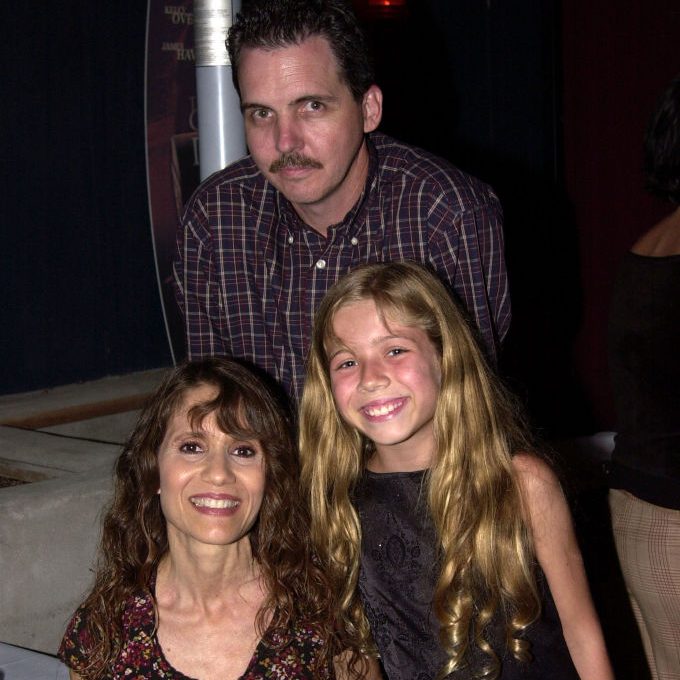
Although McCurdy appeared in cheerful and polished television productions, she has said that her private life felt very different from her public image. In interviews with outlets including the Associated Press and The New York Times, she described feeling disconnected from the image associated with her career.
Her memoir includes serious allegations and personal accounts involving controlling behavior in her family, body-image concerns and harmful expectations surrounding food. McCurdy has also written about experiences that made her feel that her privacy and autonomy were not respected. These accounts are central to the memoir’s purpose: explaining how she came to understand events from her childhood and begin addressing their effects.
The title I’m Glad My Mom Died drew attention because of its blunt wording. McCurdy has explained that it is not intended as a celebration of loss. Instead, it reflects the relief she felt after the death of a parent whose behavior, as McCurdy describes it, had deeply affected her. The title also reflects the complicated emotions that can accompany grief in difficult family relationships.
Mental-health experts often stress that grief is not experienced in one uniform way. People may feel sadness, anger, guilt, relief, confusion or several emotions at once, especially when a relationship involved conflict, fear or unresolved harm. Seeking help from a qualified mental-health professional can be important for people processing trauma, bereavement or major life transitions.
A Turning Point After Her Mother’s Death
Debra McCurdy died in 2013 after cancer returned. Jennette McCurdy has described the loss as a major turning point. While the death brought intense grief and uncertainty, she has said that it also eventually created space for her to examine her life outside the direction her mother had set for her.
McCurdy has spoken openly about attending therapy and about the role it played in her recovery. She has said that she struggled with alcohol use, disordered eating and unhealthy relationships before receiving meaningful support. Her comments have been widely discussed because they present therapy not as an instant solution, but as an ongoing process of learning, reflection and change.
Public discussion of mental health can be valuable when it is approached carefully. Personal stories may help reduce stigma and encourage people to seek assistance, but every person’s needs are different. Organizations such as the World Health Organization, the U.S. Centers for Disease Control and Prevention, and the Mayo Clinic advise people facing mental-health concerns to consult qualified health professionals and use local emergency services or crisis resources when immediate help is needed.
Why Jennette McCurdy Left Acting
McCurdy stepped away from acting in the mid-2010s. She later explained that acting had not felt like a freely chosen career for much of her childhood because it was closely connected to her mother’s ambitions. Leaving the industry allowed her to consider what she wanted for herself rather than continuing a path shaped by earlier family expectations.
Her departure was notable because it challenged the common assumption that successful performers always want to remain in front of the camera. McCurdy has made clear that professional achievement and personal fulfillment are not necessarily the same thing. A role that looks desirable from the outside may carry emotional costs that are not visible to an audience.
Instead of returning to a conventional acting career, she focused on writing and directing. Before publishing her memoir, McCurdy created one-woman stage work and wrote personal essays. These projects gave her a way to use humor, observation and storytelling while maintaining greater control over her creative work.
I’m Glad My Mom Died and Its Cultural Impact
Published in August 2022, I’m Glad My Mom Died became a New York Times bestseller and received extensive coverage from major news organizations. Readers responded to its direct style, dark humor and willingness to address themes that are often treated cautiously in public: parental control, child stardom, eating disorders, grief and recovery.
The memoir’s success also generated discussion about how the entertainment industry protects young workers. McCurdy has said that some adults around her did not provide the protection or intervention she needed. Her experience has been cited in broader debates about child labor standards, workplace accountability and the responsibilities of parents, representatives, studios and other adults involved in a child performer’s career.
It is important to distinguish between individual testimony and broad claims about every production or performer. McCurdy’s memoir reflects her own experience. At the same time, it has helped draw attention to established concerns about child performers’ welfare and the need for clear safeguards in any workplace involving minors.
A Television Adaptation of the Memoir
In 2024, Apple TV+ announced plans to develop an adaptation of I’m Glad My Mom Died as a series. McCurdy is attached as a writer, executive producer and showrunner, while Jennifer Aniston is expected to serve as an executive producer and play Debra McCurdy. The project has attracted considerable interest because the memoir’s perspective comes directly from McCurdy and because she is involved creatively in its adaptation.
As with many television projects in development, production schedules and release dates can change. Viewers seeking updates should rely on announcements from Apple TV+ and established entertainment news outlets rather than unverified social-media claims.
Jennette McCurdy’s Work Beyond Child Stardom
Today, McCurdy is best known as an author and creator who has spoken thoughtfully about reclaiming agency. Her public work has moved away from the character that made her famous and toward writing that examines identity, family and personal growth.
Her career offers a wider lesson about public narratives. Audiences often know performers through fictional characters, interviews and carefully managed publicity. Those images can never fully explain a person’s private reality. McCurdy’s memoir encouraged readers to consider the gap between celebrity culture and the lived experiences of people who enter entertainment as children.
Her story has resonated with readers not because it offers a simple conclusion, but because it recognizes that healing can be uneven. McCurdy has described reaching a place where she can imagine a future defined by her own decisions. That message—of gaining autonomy after years of pressure—has become central to how many readers understand her work.
Sources
- The New York Times: Jennette McCurdy discusses her memoir
- Associated Press: Entertainment and culture reporting
- Apple TV+ Press: Official production announcements
- World Health Organization: Mental health information
- Centers for Disease Control and Prevention: Mental health resources
- Mayo Clinic: Understanding grief and loss
Disclaimer: This content is intended for entertainment purposes only and is not based on real events.