

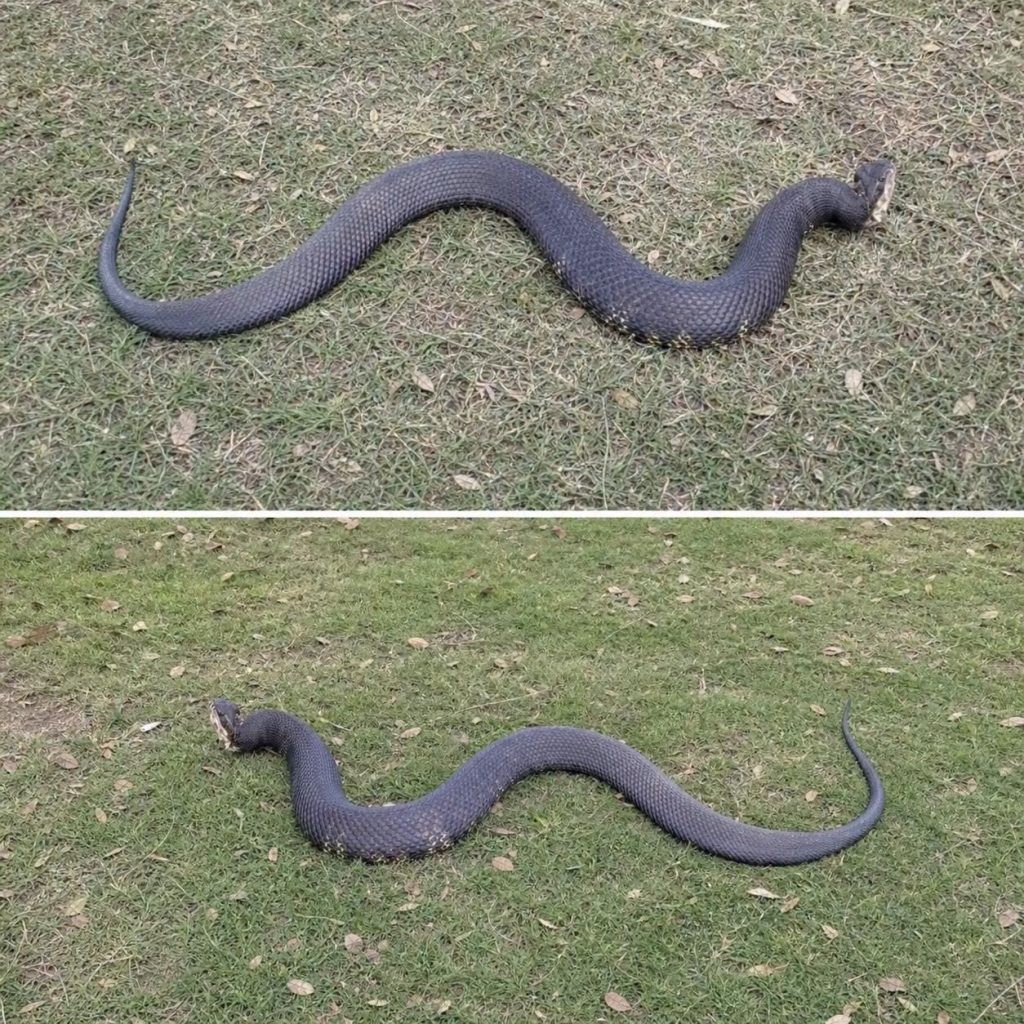
Copperhead Snake Encounters: Awareness, Prevention, and Safety in the Outdoors
Introduction: Encountering Copperheads in Nature
Outdoor exploration offers relaxation and adventure, but it can come with certain risks, especially for those venturing into areas inhabited by wildlife such as snakes. Among the most commonly encountered snakes in many parts of North America is the copperhead (Agkistrodon contortrix). Well-known for its camouflage and gentle nature, the copperhead is frequently the source of accidental wildlife encounters. Understanding their habits, how to prevent an unexpected meeting, and what steps to take if you come across one are essential for ensuring a safe and enjoyable experience outdoors.
Copperhead Snake Identification and Habits
Copperheads are medium-sized venomous snakes native to the eastern and central United States. They earn their name from the coppery-red coloration of their heads, but their most distinguishing feature is the hourglass pattern on their bodies. This pattern, combined with colors that blend seamlessly into fallen leaves and underbrush, makes them extremely difficult to spot. Copperheads are ambush predators that rely on remaining still and invisible, usually hiding in leaf litter, around logs, rocks, or dense vegetation.
Their cryptic behavior is an evolutionary adaptation to both avoid predators and surprise prey. Copperheads are generally most active from late spring through early autumn, especially at dusk and after rainfall, but they can be encountered during daylight hours as well. In cooler months, they become less active and may seek cover in hollow logs, animal burrows, or under rocks.
Geographical Distribution and Preferred Habitats
The copperhead’s range covers much of the southeastern, central, and eastern United States. They are commonly found in wooded areas, rocky hillsides, swamps, abandoned farm buildings, and the margins of suburban environments where these habitats meet human habitation. Their adaptability allows them to thrive in both undisturbed wild spaces as well as areas increasingly encroached upon by development.
Outdoor enthusiasts, including hikers, gardeners, and children playing outdoors, are most likely to encounter copperheads where leaf litter is thick, underbrush is dense, or natural debris offers ready hiding spots. Awareness of these habitats is the first line of defense in avoiding surprise encounters.
The Importance of Awareness: Prevention Begins with Observation
Because copperheads are masters of camouflage, simply watching where you step is not always enough. Experts recommend developing a habit of scanning the ground ahead, especially in high-risk habitats like trail edges, logs, or rock piles. Before stepping over logs or moving rocks, check first for any sign of movement or pattern. Even when sitting down to rest during a hike, examine the area carefully. Children and pets should be instructed to avoid reaching into or under objects or brush where visibility is limited.
A practical step is to wear sturdy, closed-toe footwear and long pants if you expect to walk through thick vegetation, leaf litter, or rocky terrain. Flashlights or headlamps can be invaluable for spotting hidden animals during early morning or twilight hours. By remaining alert and observing your surroundings, the chance of an unexpected encounter with a copperhead is greatly reduced.
Copperhead Behavior: Avoidance Rather Than Aggression
Unlike some depictions in popular media, copperheads are not aggressive toward humans. Their primary defense mechanism is to remain motionless, relying on camouflage to go unseen. Studies and wildlife experts consistently report that copperheads will almost always choose to avoid confrontation. Bites occur most frequently when the snake is accidentally stepped on, grabbed, or cornered.
It is important to recognize signs of defensive behavior: a copperhead feeling threatened may vibrate its tail rapidly, emit a musky odor, or flatten its body to appear larger. However, these responses are a warning and not an act of aggression. Most copperhead bites can be prevented by simply respecting the animal’s space and not attempting to move or handle it.
What To Do if You Encounter a Copperhead
If you see a copperhead while outdoors, the best response is calm, deliberate action. Give the snake room and slowly back away; do not approach, attempt to touch, or provoke it. Copperheads will usually remain still or retreat if given the opportunity. Inform others nearby, especially children, about the snake’s location so they can avoid the area. There is no need to attempt relocation or interact with the animal—professional wildlife services should be contacted if the copperhead is in a densely populated area or poses a persistent risk.
Safety Protocols: Reducing the Risk of Snakebites
Most encounters with copperheads are harmless when handled appropriately, but preparation is vital. Here are some recommended safety measures for outdoor enthusiasts and homeowners:
- Proper Attire: Wear high boots and long pants in snake-prone environments.
- Visual Checks: Scan the ground and surroundings frequently.
- Safe Exploration: Avoid placing hands or feet in crevices or hidden spaces without first checking.
- Yard Maintenance: Clear away piles of leaves, brush, or debris where snakes may hide, especially near homes or play areas.
- Educate Others: Teach children to recognize snakes, respect wildlife, and avoid risky behavior.
- Secure Pets: Keep dogs on a leash during hikes and discourage cats from roaming in dense vegetation.
Snakebite First Aid: Do’s and Don’ts with Copperhead Bites
Despite best efforts, snakebites can still occur. Copperhead venom is generally less potent than that of other North American pit vipers such as rattlesnakes, but any venomous bite warrants immediate action. Here’s what medical professionals recommend:
- Stay Calm: Stress and movement can hasten venom spread; keep the bitten limb immobile and at or below heart level.
- Move Away From Danger: Retreat to a safe area away from the snake.
- Call Emergency Services: Prompt transport to a hospital is essential, even if symptoms seem mild.
- Do Not: Apply ice, cut the wound, attempt to suck out the venom, use a tourniquet, or consume alcohol.
- Monitor Symptoms: Swelling, pain, nausea, or weakness may occur—record the progression if possible for medical personnel.
- Remove Tight Clothing and Jewelry: As swelling may occur, remove anything that could constrict the affected limb.
Professional medical evaluation is the only safe response to a copperhead bite. Most hospitals have access to antivenom, and modern medical care has made fatalities from copperhead bites extremely rare. Early medical intervention also helps prevent complications such as infection, tissue damage, or allergic reactions.
Expert and Public Perspectives on Snake Encounters
Herpetologists and public health officials emphasize coexistence and education when it comes to snakes such as copperheads. While these snakes can evoke fear, they play an important role in local ecosystems by controlling pest populations. Conservationists advocate for respecting native snake species, avoiding unnecessary killing of snakes, and promoting public awareness through educational campaigns.
Across the United States, outdoor groups, park rangers, and medical professionals collaborate to share best practices with the public through workshops, signage at trailheads, and online resources. In areas with high rates of snake encounters, public education has been shown to significantly reduce the number of serious snakebite incidents and unnecessary harm to wildlife.
International Experiences and Societal Responses
Worldwide, snakebites are a major public health issue, but the risks and solutions vary by region. In the United States, rapid access to medical care and public education efforts have reduced fatalities from venomous snakebites to a very low level. International agencies such as the World Health Organization recognize snakebite envenoming as a neglected tropical disease in regions with limited healthcare access.
Societal responses in the U.S. often center on education, responsible management of natural spaces, and wildlife conservation. Community science initiatives sometimes enlist local residents in documenting snake sightings and alerting wildlife authorities, thus enhancing both safety and conservation efforts.
Conclusion: Enjoying the Outdoors Safely and Responsibly
Encounters with copperhead snakes are a part of the landscape in many regions of the United States, especially for those who cherish outdoor activities. By cultivating awareness, practicing prevention, and respecting wildlife, people can minimize risk and maximize enjoyment of America’s diverse natural settings. Knowledge, calmness, and preparedness are your best tools for staying safe. Remember to educate family members, especially children, and to reach out to local experts or parks for additional information about wildlife safety in your area.
Sources
- Centers for Disease Control and Prevention (CDC)
- Mayo Clinic: Snake Bites
- National Geographic: Copperhead Snake Facts
- BBC: Snake conservation and human health
- Reuters: WHO launches new strategy on tackling snakebites
Disclaimer: This content is intended for entertainment purposes only and is not based on real events.