

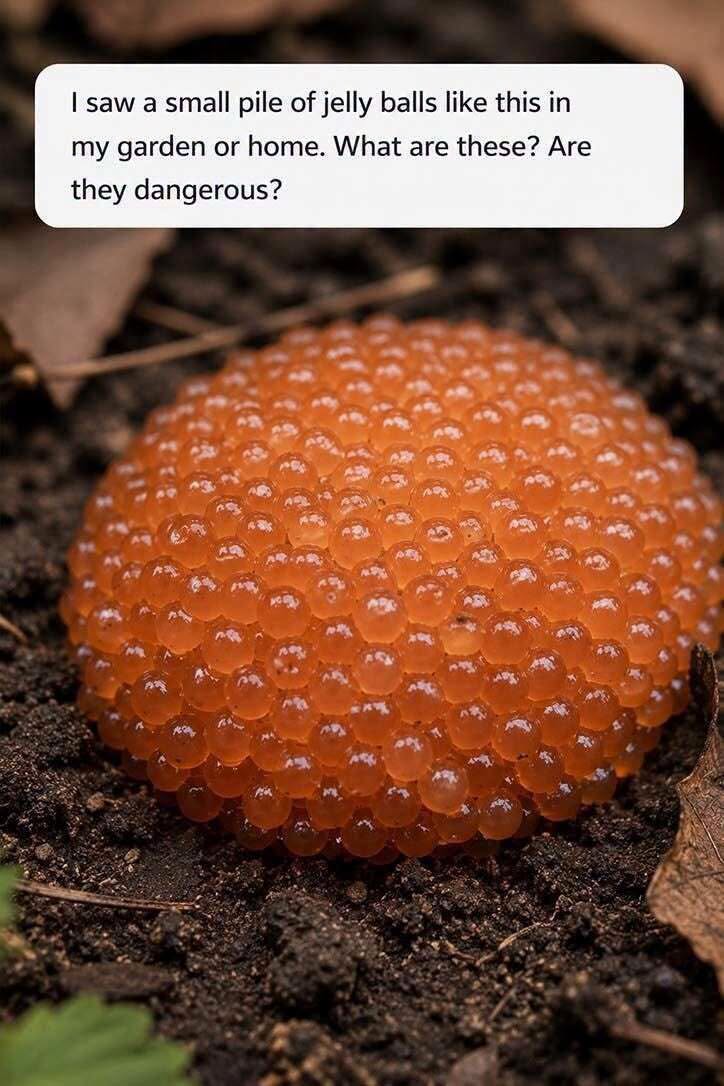
Imagine you’re cleaning up your garden after a rainy weekend. As you move aside a pile of damp leaves, you notice a tiny cluster of shiny, bead-like spheres tucked beneath the foliage. At first glance, they seem harmless—perhaps plant seeds or insect eggs. But a closer look raises an important question: could these be tick eggs?
Knowing how to identify tick eggs can help you take action before a small problem becomes a larger one. While tick eggs themselves do not transmit diseases, they may indicate that ticks are active in the surrounding area. By recognizing these clusters early and following safe removal practices, homeowners can reduce the chances of ticks becoming established around their property.
In this guide, you’ll learn what tick eggs look like, where they’re commonly found, how ticks develop, effective removal methods, and practical strategies to help prevent future tick activity.
What Are Tick Eggs?
Tick eggs are the first stage in a tick’s life cycle. After feeding, an adult female tick lays a large cluster of eggs in a sheltered location before completing her reproductive cycle.
Depending on the species, one female tick may lay several thousand eggs at once. The eggs are typically deposited in moist, protected environments where they have a better chance of developing successfully.
Although the eggs are very small, finding them early provides an opportunity to interrupt the tick life cycle before young ticks emerge.
Understanding the Tick Life Cycle
Learning how ticks develop makes it easier to understand why early detection matters.
The four life stages include:
Egg
Female ticks deposit clusters of eggs in sheltered outdoor environments.
Larva
After hatching, tiny six-legged larvae seek small animals such as rodents or birds for their first meal.
Nymph
Following their first molt, ticks enter the nymph stage. Nymphs are larger than larvae but remain difficult to notice.
Adult
Adult ticks continue feeding on larger animals and may reproduce, beginning the cycle again.
Environmental conditions such as temperature and humidity influence how quickly ticks move through these stages.
What Do Tick Eggs Look Like?
Tick eggs have several recognizable characteristics:
Small Size
Each egg measures approximately 0.5 millimeters or less, making individual eggs difficult to spot.
Rounded Shape
The eggs are nearly spherical and smooth.
Shiny Appearance
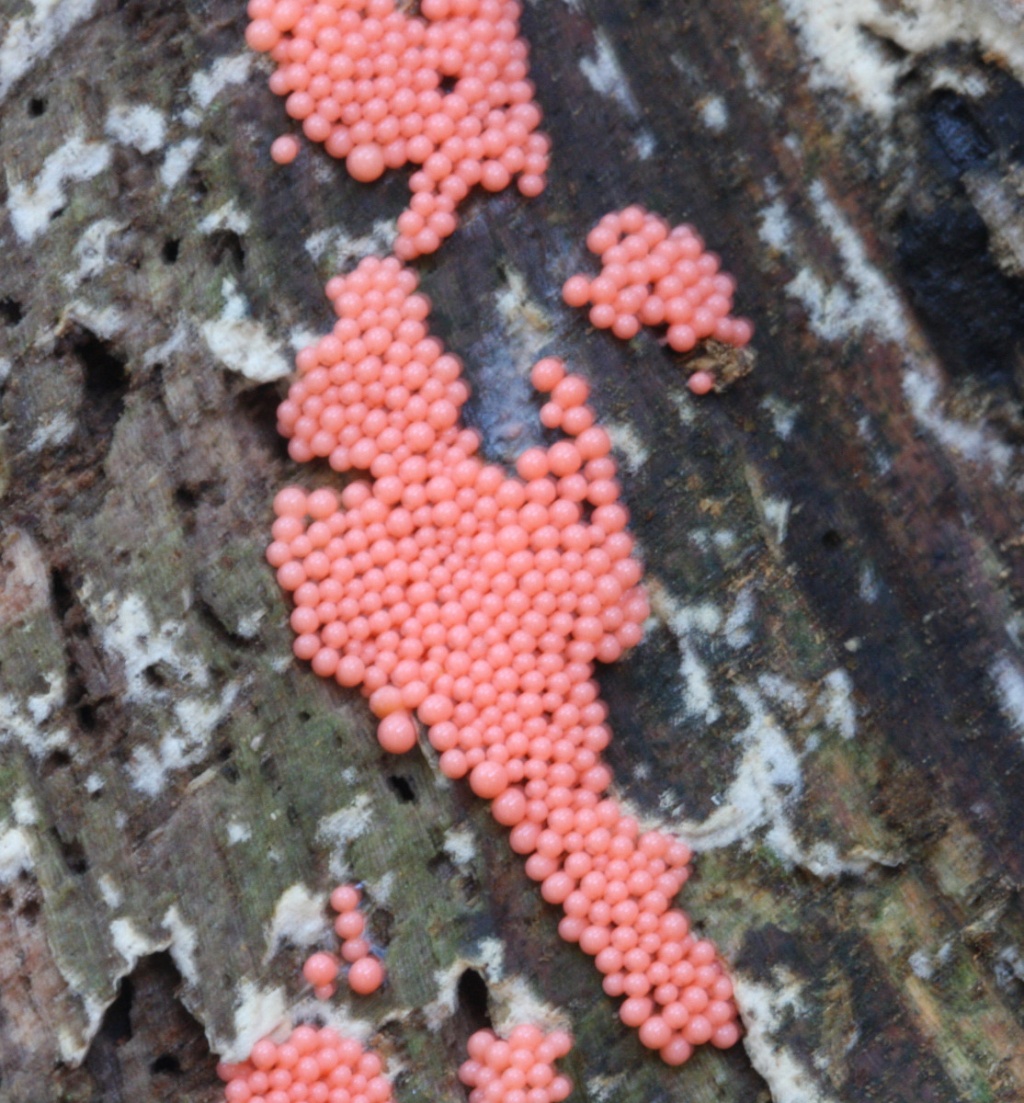
Freshly laid eggs often appear glossy or slightly translucent.
Color
Depending on the species and age, they may appear:
- Light brown
- Brownish-red
- Amber
- Slightly translucent
Cluster Formation
Unlike many insects that scatter eggs individually, ticks usually lay eggs together in dense masses that resemble tiny beads.
Because they are packed closely together, clusters are often easier to notice than individual eggs.
Where Are Tick Eggs Commonly Found?
Ticks prefer humid, shaded environments that protect their eggs from drying out.
Outdoor locations include:
- Leaf piles
- Garden mulch
- Tall grass
- Dense shrubs
- Under logs
- Beneath stacked firewood
- Along woodland edges
Indoor discoveries are much less common but may occasionally occur if ticks are carried inside by pets or wildlife.
Potential indoor locations include:
- Baseboards
- Storage areas
- Crawl spaces
- Cracks near exterior walls
- Pet resting areas
Regular inspections of these locations can help identify potential tick activity early.
Are Tick Eggs Dangerous?
Tick eggs themselves do not bite people or animals, nor do they directly spread tick-borne illnesses.
However, their presence suggests that adult ticks have recently been nearby. Once eggs hatch, young ticks begin searching for hosts, increasing the possibility of human or pet encounters.
Reducing tick populations early helps lower future exposure risks in yards and outdoor recreation areas.
How to Safely Remove Tick Eggs
If you discover a suspected cluster of tick eggs, avoid handling them with bare hands.
Follow these simple steps:
Wear Protective Gloves
Disposable gloves reduce direct contact while cleaning.
Collect the Egg Cluster Carefully
Use a tissue, paper towel, or disposable tool to gather the eggs without scattering them.
Seal Before Disposal
Place the eggs into a sealed plastic bag before disposing of them in the trash.
Clean the Area
Remove nearby leaves, mulch, or debris where additional eggs could be hidden.
Taking your time helps minimize the chance of leaving eggs behind.

Effective Ways to Eliminate Tick Eggs
Several cleaning methods may help reduce remaining eggs after removal.
Vacuum Indoor Areas
Vacuum:
- Baseboards
- Floor corners
- Pet sleeping areas
- Cracks
- Carpets
Dispose of the vacuum contents promptly after cleaning.
Diluted Bleach Solution
Some pest management professionals recommend cleaning hard outdoor surfaces using an appropriately diluted bleach solution where suitable. Always follow manufacturer safety instructions and avoid using bleach on vegetation or surfaces where it could cause damage.
Food-Grade Diatomaceous Earth
Food-grade diatomaceous earth may be used in certain outdoor areas according to label directions. It works by damaging the protective outer layer of many crawling pests, causing them to lose moisture.
Always use products according to their instructions and keep children and pets away from treated areas until it is safe to return.
How to Prevent Tick Problems Around Your Home
Preventing ticks is usually easier than dealing with an established population.
Keep Grass Short
Regular mowing reduces the humid environment that ticks prefer.
Remove Yard Debris
Clear away:
- Fallen leaves
- Brush piles
- Overgrown weeds
- Dead vegetation
These areas often provide shelter for ticks.
Create Landscape Barriers
Wood-chip or gravel borders between wooded areas and lawns may discourage tick movement into recreational spaces.
Protect Pets
Dogs and outdoor cats can unintentionally transport ticks into the home.
Talk with your veterinarian about appropriate tick prevention products and perform routine inspections after outdoor activities.
Inspect Clothing After Outdoor Activities
After hiking, gardening, or spending time in wooded areas:
- Check clothing carefully.
- Shake out outdoor gear.
- Wash clothes when appropriate.
- Shower soon after spending time in areas where ticks are common.
These habits help reduce the chance of bringing ticks indoors.
When Should You Contact a Pest Control Professional?
Some situations may benefit from professional assistance.
Consider contacting a licensed pest management service if:
- Tick activity continues despite repeated cleaning.
- Large numbers of eggs are found repeatedly.
- Pets continue bringing ticks indoors.
- Your property borders dense woodland with persistent tick populations.
Professionals can evaluate the property, identify contributing factors, and recommend appropriate management strategies.
Common Myths About Tick Eggs
Many misconceptions circulate online regarding tick eggs.
Myth: Every Small Egg Cluster Is From Ticks
Not necessarily.
Many insects and spiders produce egg clusters that resemble tick eggs. Accurate identification is important before taking action.
Myth: Tick Eggs Can Jump
Ticks cannot jump or fly during any stage of their life cycle.
Instead, they typically wait on vegetation and attach to passing animals or people.
Myth: Finding One Cluster Means Your Entire Home Is Infested
Not always.
A single cluster may simply indicate localized activity. Prompt removal and inspection can often address the issue before it becomes more widespread.
The Science Behind Tick Population Growth
Researchers who study ticks note that weather, humidity, wildlife populations, and habitat conditions all influence tick numbers from year to year.
Warm temperatures combined with adequate moisture often create favorable conditions for tick development.
Scientists continue studying how environmental changes affect tick distribution across different regions. Their findings help public health agencies provide updated guidance on reducing tick encounters.
Why Early Detection Matters
Spotting tick eggs early allows homeowners to interrupt the tick life cycle before newly hatched larvae begin searching for hosts.
Routine yard maintenance, careful inspections, and responsible pet care work together to reduce the likelihood of future tick activity.
Although no prevention strategy is perfect, combining several simple practices offers the best long-term results.
Conclusion
Tick eggs may be tiny, but recognizing them early can make a meaningful difference in managing tick activity around your home. Understanding where they are commonly found, how the tick life cycle works, and which removal methods are considered safe allows homeowners to respond with confidence rather than concern.
Scientific research continues to improve our understanding of ticks and the environments they prefer. At the same time, practical habits such as maintaining your yard, checking pets regularly, and performing routine inspections remain among the most effective ways to reduce encounters.
Human curiosity often begins with noticing something small and unfamiliar. By learning more about tick eggs and the science behind them, we can make informed decisions that help create healthier outdoor spaces for families and pets alike.
Sources
- Centers for Disease Control and Prevention (CDC) – Tick Life Cycle and Tick Prevention
- United States Environmental Protection Agency (EPA) – Tick Management Around Homes
- University of Rhode Island TickEncounter Resource Center
- Mayo Clinic – Tick Bites: Prevention and Removal
- National Institute for Occupational Safety and Health (NIOSH) – Tick Safety Guidance
- OrVeb – “Are They Dangerous?” article on identifying and removing tick eggs