



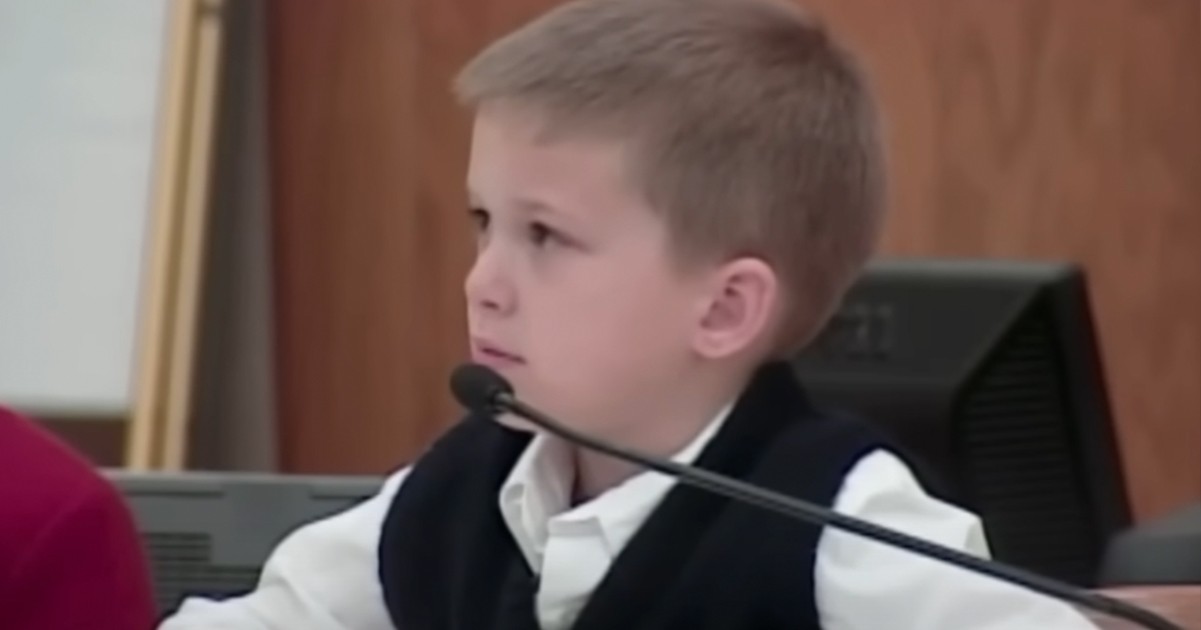
A.J. Hutto Speaks Out About Testifying Against His Mother

More than a decade after a Florida jury convicted Amanda Lewis of the murder of her 7-year-old daughter, Adrianna Hutto, the case continues to draw attention because of the central role played by Adrianna’s younger brother, known publicly as A.J. Hutto. As a child, A.J. gave investigators and a court account of what he said he witnessed near the family’s backyard swimming pool.
The case raised difficult questions about child witnesses, family violence, criminal investigations, and the long-term effects of trauma. It also showed how courts must carefully assess testimony from young children while weighing it alongside medical evidence, police interviews, witness accounts, and the legal standard of proof beyond a reasonable doubt.
Lewis was convicted in 2008 of first-degree murder and aggravated child abuse in the death of Adrianna. She was sentenced to life in prison without parole. Lewis has maintained that Adrianna’s death was an accidental drowning, while prosecutors argued that the evidence, including A.J.’s testimony, established that the child’s death was intentional.
The 2007 Death of Adrianna Hutto
Adrianna Hutto died after being found unresponsive in an above-ground pool at her family’s home in Esto, a small community in Florida’s Panhandle. According to reporting on the case, the incident occurred on August 8, 2007, when Adrianna was 7 years old and A.J. was 6.
Lewis initially told authorities that she had been preparing to take the children shopping for school supplies after returning home from work. She said the children had been outside and that A.J. came inside to tell her that Adrianna was in the pool. Lewis said she ran outside, found her daughter in the water, and attempted to get help.
Adrianna was transported for emergency medical care but later died. In the immediate aftermath, the death was initially treated as a possible accidental drowning. Backyard pools, including relatively shallow above-ground pools, can present serious safety risks to children, particularly when a supervising adult is not present. Public-health agencies including the U.S. Centers for Disease Control and Prevention emphasize that close, continuous supervision is essential whenever young children are near water.
However, the investigation developed in a different direction after detectives interviewed A.J. His statements became a significant part of the prosecution’s case against his mother.
A.J. Hutto’s Account to Investigators and the Court
During interviews with law enforcement, A.J. said that his mother had become angry with Adrianna and put her in the pool. In court, he was asked to explain a drawing he had made. The drawing showed figures near the pool and was used by prosecutors to help the child communicate what he said he had seen.
Child testimony is treated with particular care in criminal proceedings. Young children may have limited vocabulary, may not understand legal terms, and can find a courtroom intimidating. Courts and lawyers therefore often use age-appropriate questions and visual aids, while judges must ensure that testimony is gathered fairly and that the defendant’s legal rights are protected.
In A.J.’s testimony, he identified his mother and sister in the drawing and described what he believed had happened. His evidence was emotionally difficult for observers, but the legal importance of his testimony did not rest on emotion alone. Jurors were asked to consider it in the context of the wider evidence presented during the trial.
Reporting by ABC News at the time described the case as one in which the jury heard competing accounts: Lewis’s explanation that Adrianna had drowned accidentally, and the prosecution’s argument that Adrianna had been deliberately harmed. The jury ultimately accepted the prosecution’s case and found Lewis guilty.
A Florida Jury’s Verdict and Sentence
In 2008, a jury convicted Amanda Lewis of first-degree murder and aggravated child abuse. The court imposed a life sentence without the possibility of parole for the murder conviction. The verdict reflected the jury’s conclusion that the prosecution had proved its case beyond a reasonable doubt.
It is important to distinguish between the facts established through the criminal court process and the personal perspectives shared later by people connected to the case. A criminal verdict is based on evidence admitted at trial, jury deliberation, and judicial procedure. Later interviews may provide context about how people experienced events, but they do not replace the record of the court proceedings.
The case also attracted attention because a child witness was asked to speak about the death of a sibling and the alleged actions of a parent. Experts in child development and victim support generally recognize that children who experience severe family stress or bereavement may require long-term, trauma-informed care. Such support can include stable caregiving, counseling when needed, predictable routines, and protection from unnecessary public exposure.
Why Child Witnesses Require Special Safeguards
Children can provide important information in investigations, but professionals are expected to follow safeguards designed to reduce the risk of confusion or suggestion. The U.S. Department of Justice and child-advocacy organizations have published guidance encouraging trained interviewers to use open-ended questions, avoid leading language, document interviews carefully, and consider a child’s developmental stage.
For example, questions such as “Tell me what happened” are generally preferred over questions that presume a particular answer. Interviewers may then ask for clarification, but they should avoid repeatedly pressing a child toward a preferred version of events. These practices are intended to improve the reliability of information while reducing stress on the child.
In court, judges may also make procedural decisions intended to help a young witness communicate effectively without compromising fairness. The exact procedures vary by jurisdiction and by case. Defense attorneys retain the right to challenge evidence and cross-examine witnesses, while prosecutors have the burden of proving guilt beyond a reasonable doubt.
The public attention surrounding the Hutto case illustrates why these safeguards matter. A young child’s testimony can be memorable and emotionally powerful, yet the justice system must evaluate it with the same commitment to evidence, due process, and careful scrutiny required in every serious criminal case.
A.J. Hutto’s Life After the Trial
After the trial, A.J. was removed from the public spotlight and adopted. His identity has been protected in many accounts because he was a minor at the time of the case and because of the deeply personal nature of the events.
In later media reporting, A.J. said he had not been coached and that he told authorities what he remembered seeing. He also described feeling nervous about appearing in court as a child. Those statements offer a personal account of an experience that began when he was very young and that has remained part of public discussion because of the trial’s unusual circumstances.
He reportedly described a major contrast between his early childhood and life with his adoptive family. Such accounts underline the importance of stable support systems for children affected by family trauma. Child-welfare specialists often stress that recovery is not a single event. It can involve long-term safety, trusted relationships, access to mental-health services, and respect for an individual’s privacy.
A.J. has also indicated that he has chosen not to have contact with Lewis. Decisions about contact between family members following criminal cases are deeply personal and may also be shaped by court orders, safety considerations, and professional guidance. Public discussion of such decisions should remain respectful, especially when survivors and relatives may be living with lasting consequences.
Public Reaction and the Broader Conversation
The Hutto case has continued to prompt strong public reactions because it involves the loss of a child, allegations within a family, and a young witness speaking in court. It is understandable that readers may find the circumstances upsetting. However, responsible discussion should avoid speculation, harassment, or sensationalism.
Cases involving children can also serve as a reminder of practical safety and prevention measures. Families with pools can reduce drowning risks by using barriers, self-latching gates, close supervision, life jackets when appropriate, swimming instruction, and emergency preparedness. The CDC notes that drowning prevention works best when multiple layers of protection are used together rather than relying on any one measure.
At the same time, concerns about possible child abuse should be taken seriously and reported through appropriate channels. In the United States, people who believe a child is in immediate danger should contact emergency services. Concerns that are not immediate emergencies can be reported to local child protective services or a child-abuse hotline. Reporting concerns to trained professionals is safer and more constructive than attempting to investigate allegations independently.
Remembering the Human Impact of the Case
Behind the legal record are people whose lives were permanently changed: Adrianna, whose death led to the investigation; A.J., who was asked to describe what he experienced; and the relatives, caregivers, first responders, investigators, attorneys, and community members affected by the case.
The story is not simply about a high-profile courtroom moment. It is also about the responsibilities of the justice system, the vulnerability of children, and the importance of responding to trauma with care. The verdict against Amanda Lewis remains the central legal outcome of the case, while A.J.’s later comments have renewed attention on the difficult position he faced as a young witness.
For readers, the most constructive takeaway is the value of child safety, evidence-based investigations, and compassionate support for people affected by loss or trauma. Public interest should never outweigh the dignity and privacy of those who experienced these events firsthand.
Sources
Disclaimer: This content is intended for entertainment purposes only and is not based on real events.