


Family attractions are designed to inspire curiosity, learning, and memorable experiences. Whether children are meeting animals for the first time or exploring interactive play areas, these venues play an important role in connecting young visitors with nature in a safe and educational environment.
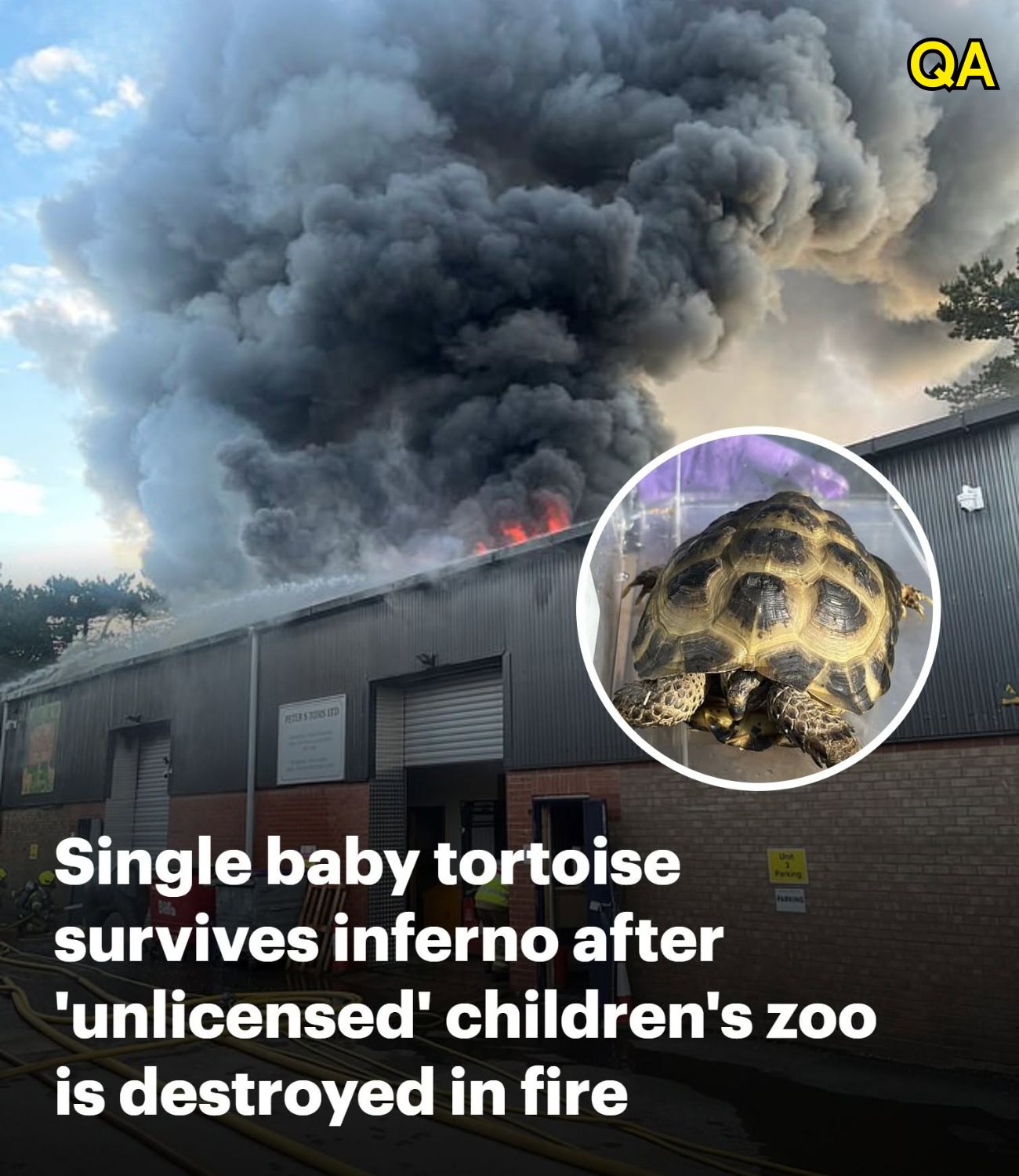
A recent fire at a children’s indoor play center that also housed exotic animals has drawn widespread attention in the United Kingdom. While emergency crews worked quickly to contain the blaze and prevent it from spreading, officials later confirmed that many of the animals could not be saved. Amid the difficult news, firefighters discovered one unexpected survivor—a baby tortoise found alive during the investigation.
The incident has also prompted discussions about licensing requirements, animal welfare standards, and the importance of safety procedures for facilities that keep animals. As investigators continue examining the cause of the fire, the event offers an opportunity to better understand how regulations help protect both animals and the public.
What Happened at the Children’s Mini Zoo?
According to local authorities, the fire occurred during the early morning hours at The Jungle Box, an indoor soft play center in Hertfordshire that also featured an area with exotic animals.
Emergency services responded rapidly to the scene, deploying multiple fire crews and specialized equipment to contain the blaze.
Fortunately, no people were inside the building when the fire began, and there were no reported human injuries.
Officials later confirmed that many animals housed inside the facility were lost during the incident. During the subsequent investigation, however, firefighters discovered a baby tortoise that had survived, providing a small but encouraging moment amid an otherwise difficult situation.

The Investigation Is Ongoing
Authorities have stated that the cause of the fire remains under investigation.
Fire investigations typically involve examining:
- Electrical systems
- Building structure
- Fire patterns
- Witness information
- Available surveillance footage
- Safety equipment
Until investigators complete their work, any explanation regarding the origin of the fire remains preliminary.
Understanding Animal Licensing
One aspect of the incident that attracted public attention involved licensing.
According to the local council, officials had recently informed the facility that a license was required for keeping animals on the premises.
Licensing systems serve several important purposes.
Animal Welfare
Licensing helps ensure that animals receive appropriate housing, nutrition, environmental enrichment, and veterinary care.
Public Safety
Regulations help facilities establish procedures that protect visitors, staff, and animals.
Facility Standards
Licensed operations are generally expected to meet specific standards regarding housing, hygiene, record keeping, and inspections.
These requirements support responsible animal management while promoting transparency and accountability.
Why Licensing Matters
Facilities that house animals often differ from standard entertainment venues.
Keeping animals requires ongoing attention to factors such as:
- Species-specific habitats
- Temperature control
- Ventilation
- Nutrition
- Veterinary support
- Emergency planning
Licensing frameworks help verify that these needs are being appropriately addressed.

Fire Safety in Animal Facilities
Buildings that contain animals require emergency planning tailored to both people and wildlife.
Safety measures commonly include:
Fire Detection Systems
Smoke detectors and alarm systems provide early warning.
Emergency Access
Clear access routes assist firefighters and emergency personnel.
Evacuation Planning
Facilities often develop procedures for both human occupants and animals.
Staff Training
Prepared employees can respond more effectively during emergencies.
Although no safety plan can eliminate every risk, preparation improves emergency response.
The Challenges of Protecting Animals During Emergencies
Animals respond differently than people during emergencies.
Some species:
- Hide in enclosed spaces.
- Become difficult to locate.
- React unpredictably to unfamiliar situations.
- Require specialized handling.
These factors can make rescue efforts particularly challenging, especially when emergency responders must prioritize overall safety.
A Small Survivor Inspires Hope
The discovery of the baby tortoise attracted considerable public attention.
Tortoises are known for their protective shells and their ability to remain sheltered for extended periods in suitable environments.
While every emergency situation is unique, the survival of a single animal reminded many people that rescue efforts can sometimes uncover unexpected outcomes.
The tortoise’s condition will continue to be evaluated by animal care professionals.
Learning From Incidents Like This
Investigations following significant incidents often lead to improvements in safety practices.
Possible areas of review include:
- Building safety standards
- Fire prevention measures
- Licensing procedures
- Emergency preparedness
- Animal housing design
Lessons learned through careful investigation can contribute to safer facilities in the future.
The Role of Community Support
Local communities frequently rally together following unexpected events.
Support may include:
- Messages of encouragement
- Assistance for affected businesses
- Animal welfare support
- Community fundraising
- Volunteer efforts
These responses reflect the strong connections people often feel toward educational and family-focused attractions.

Responsible Wildlife Education
Many educational facilities successfully introduce children to animals while promoting conservation and respect for nature.
Responsible animal exhibits typically emphasize:
- Education
- Conservation awareness
- Species-appropriate care
- Professional oversight
- Visitor safety
When these principles work together, they create meaningful learning experiences for families.
Balancing Curiosity and Responsibility
Children naturally enjoy learning about unusual animals.
Facilities that showcase reptiles, mammals, birds, or other wildlife can inspire lifelong interest in biology and conservation.
At the same time, operating such exhibits carries important responsibilities that extend beyond visitor entertainment.
Careful planning, regulatory compliance, and ongoing safety management help ensure positive experiences for everyone involved.
Conclusion
The fire at the children’s play center has deeply affected the local community and highlighted the responsibilities that come with housing animals in public attractions. While the discovery of a surviving baby tortoise offered a rare moment of encouragement, investigators continue working to determine exactly how the incident occurred. Questions surrounding licensing and facility oversight are also expected to form part of the broader review.
Around the world, educational animal exhibits help children develop appreciation for wildlife and conservation. These opportunities are most successful when supported by strong safety practices, responsible animal care, and appropriate regulatory oversight. Incidents such as this remind us that preparation and continuous improvement are essential components of operating facilities that welcome both people and animals.
Human curiosity has always inspired us to learn about the natural world. By combining that curiosity with thoughtful planning, responsible care, and evidence-based safety standards, communities can continue creating places where education, discovery, and respect for wildlife thrive together.

Sources
- Daily Mail. Children’s Zoo Destroyed in Fire Did Not Have a Licence.
- UK Government. Animal Activities Licensing Regulations.
- Royal Society for the Prevention of Cruelty to Animals (RSPCA). Guidance on responsible animal care.
- National Fire Chiefs Council (UK). Fire safety guidance for public buildings.
- British and Irish Association of Zoos and Aquariums (BIAZA). Best practices for animal welfare and zoo management.