


Barbecues are a favorite way for families and neighbors to enjoy warm weather. Whether gathering in a backyard or a local park, outdoor cooking often brings people together to celebrate summer.
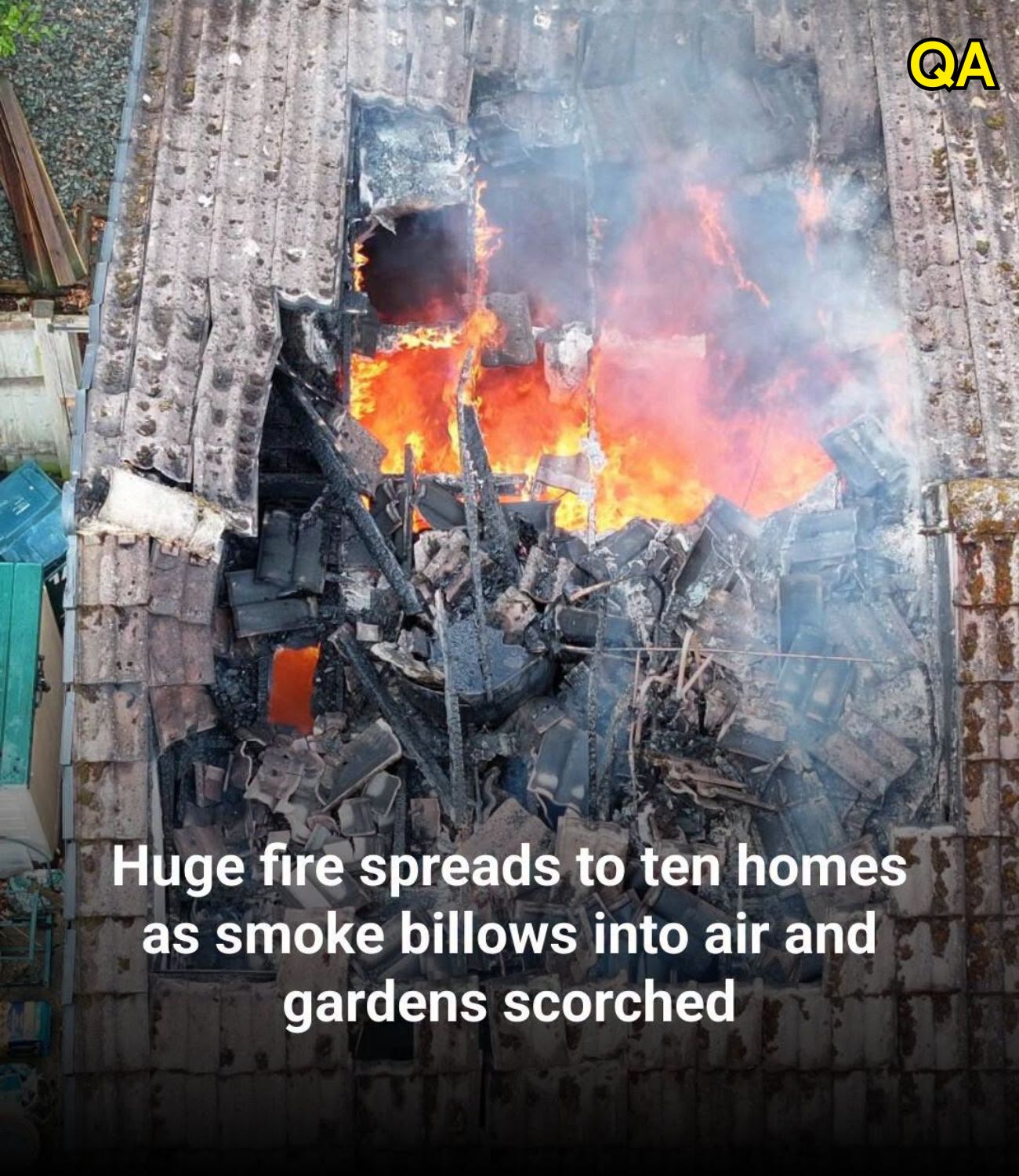
However, periods of prolonged heat and dry conditions can significantly increase the risk of accidental fires. A recent residential fire in Crawley, West Sussex, serves as a reminder of how quickly flames can spread when vegetation, fences, and buildings become dry.
According to local authorities, the fire affected multiple homes and prompted a large emergency response. While the exact cause remains under investigation, early reports suggested the blaze may have originated from a barbecue. Fire officials continue to examine the circumstances surrounding the incident.
Beyond the immediate emergency, the event has renewed public discussions about fire prevention, responsible outdoor cooking, and community preparedness during periods of elevated fire risk.
What Happened in Crawley?
According to reports, emergency services were called to Ash Keys in Crawley during the afternoon after a significant fire broke out.
Fire crews responded with multiple fire engines and worked for several hours to control the blaze.
Authorities stated that the fire involved approximately ten residential properties, with four sustaining particularly severe damage.
The fire also spread into nearby gardens before firefighters successfully contained it.
Residents in the surrounding area were advised to keep windows and doors closed while emergency crews managed smoke and ongoing firefighting operations.
Investigators continue working to determine the exact cause of the incident.

Why Fires Spread More Quickly During Hot Weather
One of the most important factors influencing fire behavior is the surrounding environment.
During extended periods of warm, dry weather:
-
Grass loses moisture.
-
Wooden fences become drier.
-
Shrubs ignite more easily.
-
Garden debris burns faster.
-
Wind can carry embers over greater distances.
Even relatively small outdoor fires may spread rapidly when these conditions combine.
For this reason, many fire services issue seasonal warnings during summer months.
Understanding the Fire Severity Index
The West Sussex Fire & Rescue Service reminded residents that the Fire Severity Index remained very high at the time of the incident.
The Fire Severity Index is a tool used by emergency agencies to estimate how intensely a fire could behave if one were to start.
It considers factors including:
-
Temperature
-
Humidity
-
Wind conditions
-
Recent rainfall
-
Vegetation dryness
Higher index values encourage additional caution when using outdoor heat sources.
Why Barbecues Require Extra Care
Barbecues are generally safe when used according to manufacturer instructions.
However, they involve open heat sources that require continuous supervision.
Fire safety experts recommend:
Keeping barbecues away from buildings.
Avoiding dry grass.
Using stable, non-flammable surfaces.
Keeping children and pets at a safe distance.
Having water or a fire extinguisher nearby.
Ensuring coals are completely extinguished before disposal.
These simple precautions help reduce accidental fire risks.

How Firefighters Respond to Residential Fires
Large residential fires require coordinated teamwork among multiple emergency agencies.
Their priorities typically include:
Protecting residents.
Containing the fire.
Preventing further spread.
Checking neighboring properties.
Managing traffic and public safety.
Investigating the cause after the incident.
Rapid coordination allows emergency responders to reduce damage and restore safety as quickly as possible.
The Importance of Community Cooperation
Residents also contribute significantly during emergencies.
Following official instructions can help firefighters perform their work more safely.
Authorities commonly recommend:
Keeping access roads clear.
Following evacuation instructions if necessary.
Avoiding affected areas.
Reporting additional signs of fire immediately.
Sharing only verified information online.
Community cooperation strengthens emergency response efforts.
Wildfire Risks Beyond Forests
Many people associate wildfires primarily with forests.
In reality, fires can also spread rapidly through:
Residential gardens.
Parks.
Open fields.
Nature reserves.
Roadside vegetation.
Vacant lots.
Urban environments experiencing prolonged dry weather may also face elevated fire risks.

Myths About Outdoor Fires
Several common misconceptions can increase unnecessary risk.
Myth: A Small Barbecue Cannot Cause a Large Fire
Even a small ignition source may spread if dry vegetation and favorable weather conditions are present.
Myth: Fires Only Spread in Forests
Grass, fences, shrubs, and garden structures may also support rapid fire spread.
Myth: Pouring Water Once Is Always Enough
Hot coals can retain heat long after cooking ends.
Fire services recommend ensuring ashes are completely cool before disposal.
Scientific Perspectives on Fire Behavior
Fire scientists explain that three elements are required for combustion:
-
Heat
-
Fuel
-
Oxygen
Removing any one of these elements interrupts the fire process.
Environmental conditions such as wind and low humidity can increase the rate at which fires spread by supplying additional oxygen and drying nearby fuels.
Understanding these principles helps emergency planners develop effective prevention strategies.
Preparing Your Home
Simple preventive measures can improve household safety during warmer months.
Homeowners may consider:
Keeping gutters free of dry leaves.
Trimming overgrown vegetation.
Maintaining defensible space around buildings.
Properly storing outdoor fuel containers.
Inspecting barbecue equipment before use.
Following local fire restrictions.
These practices support both personal and neighborhood safety.
Learning From Recent Fire Incidents
Recent grassland and residential fires across parts of the United Kingdom have highlighted the importance of public awareness during periods of elevated fire danger.
Although each incident has unique circumstances, many reinforce similar lessons:
Weather conditions matter.
Prevention is often more effective than response.
Community cooperation supports emergency services.
Small precautions can significantly reduce risk.
Looking Ahead
Climate researchers note that periods of warmer temperatures and prolonged dry conditions may increase the likelihood of vegetation fires in some regions.
As communities adapt, public education, responsible outdoor recreation, and ongoing investment in emergency preparedness remain valuable tools for reducing future fire risks.
Local fire services continue encouraging residents to remain informed about seasonal warnings and follow safety guidance during high-risk periods.
Conclusion
The recent residential fire in Crawley serves as a reminder that ordinary outdoor activities require additional care when weather conditions increase fire risk. Although investigators continue determining the exact cause, the incident illustrates how quickly flames can spread across homes and gardens during prolonged dry weather.
Human curiosity often draws attention to dramatic fire events, but the lasting lesson lies in prevention. By following expert safety recommendations, respecting seasonal fire warnings, and supporting local emergency services, communities can help reduce risks while continuing to enjoy outdoor activities safely and responsibly.

Sources
-
West Sussex Fire & Rescue Service
-
UK Home Office – Fire Safety Guidance
-
National Fire Chiefs Council (NFCC)
-
UK Met Office – Weather and Fire Risk Information
-
London Fire Brigade – Barbecue Safety Advice
-
National Fire Protection Association (NFPA)