

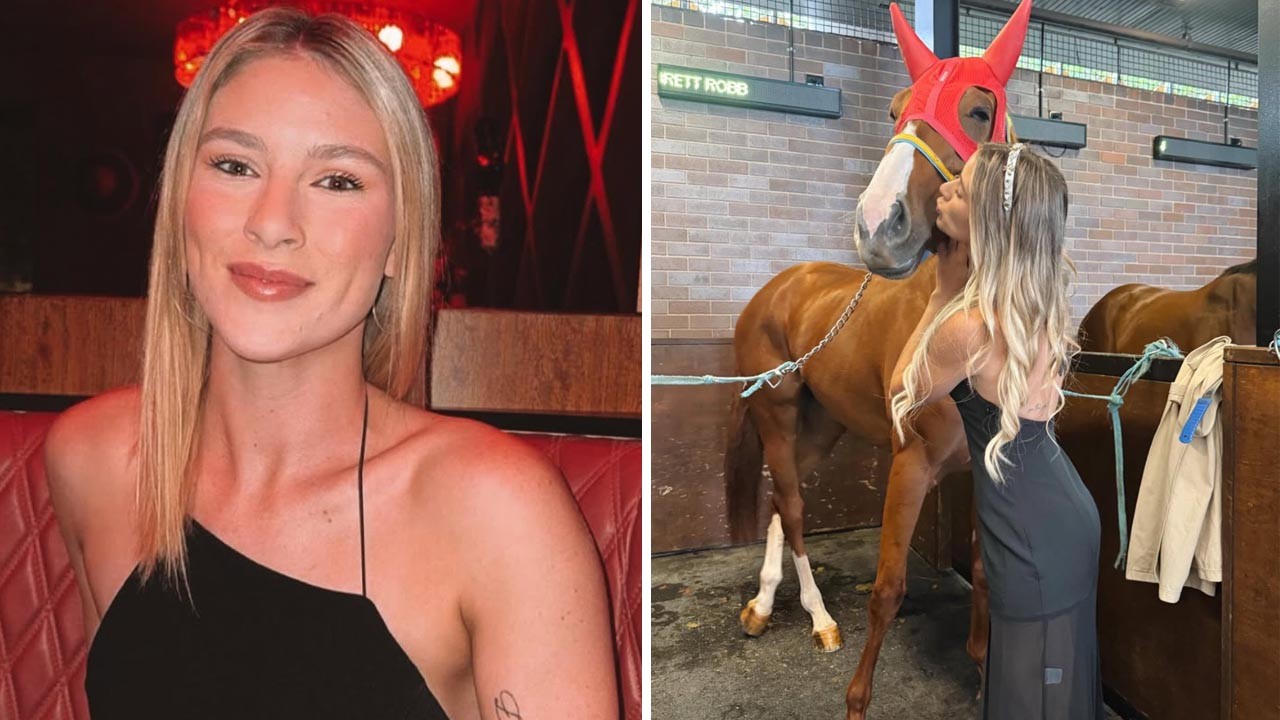
22-year-old jockey dies after horror fall
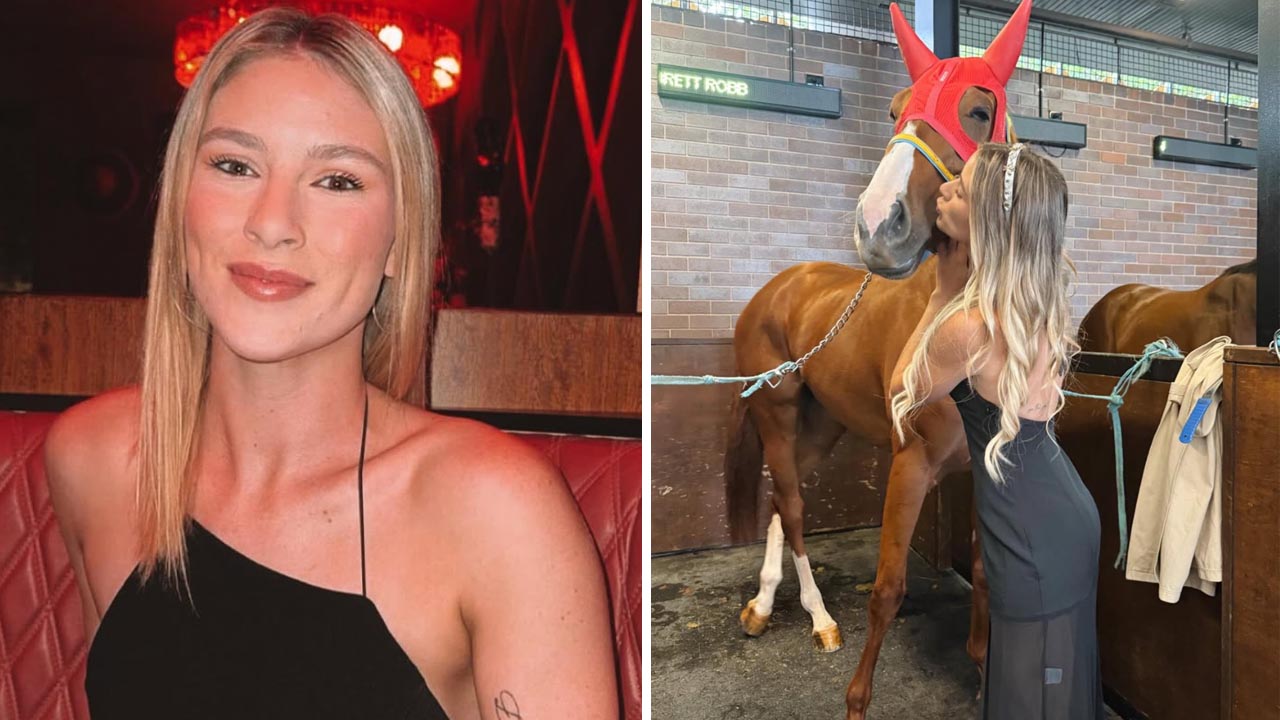
A reported racing accident at the Warren Shire Cotton Cup in New South Wales has prompted tributes from across Australia’s horse-racing community following the death of 22-year-old jockey Izzy Neale.
According to a statement attributed to Neale’s family and Racing NSW, the young rider died after being injured in an incident during a race at the meeting in Warren. The statement described Neale as someone whose connection with horses began early in life and whose interest in racing had become an important part of her future.
The circumstances have been met with sadness by fellow jockeys, trainers, stable staff, race clubs and supporters of regional racing. Racing is closely connected to many rural and regional communities in Australia, where participants often know one another personally through training centres, local race meetings and equestrian networks. In that context, news of a serious accident can affect far more people than those immediately present on the day.
This article is based on the information included in the original report and public statements referenced by racing organisations. Official investigations and medical details, where relevant, are matters for the appropriate authorities and should not be assumed beyond what has been publicly confirmed.
Tributes for Izzy Neale after reported Warren race fall
Neale was reportedly riding a horse named Marnoo when the incident occurred during the Warren Shire Cotton Cup meeting. The race program was subsequently called off, reflecting the seriousness of the situation and allowing those at the course to respond to the emergency.
In the joint statement cited in reports, Neale’s family thanked the people who offered support during an immensely difficult period. They also expressed appreciation for the medical teams involved in her care and asked for privacy while family and friends came to terms with their loss.
The statement remembered Neale’s longstanding love of horses. “Izzy rode horses before she could walk,” it said, describing horses as a lifelong passion and racing as an interest that had developed further in recent years.
Such tributes are significant in a sport where riders frequently begin with pony clubs, family properties, show riding, trackwork or local equestrian events before pursuing competitive opportunities. Becoming a jockey requires not only riding ability but also commitment to fitness, racing rules, animal care and the practical demands of travelling between meetings.
While public attention often focuses on major metropolitan racing carnivals, regional racing forms a vital part of Australia’s broader thoroughbred industry. Local meetings provide opportunities for owners, trainers, jockeys and communities, and they are often supported by volunteers and families with longstanding involvement in the sport.
A community response from Australian racing
Messages shared after Neale’s death focused on her personality, warmth and enthusiasm for racing. Trainer John Thompson, who had previously worked with her, described her as a positive and widely liked young person. The Australian Trainers’ Association also issued a message recognising the lasting impact that a loss can have on a family, friends and the wider racing community.
Its remarks underscored an important point about grief in sport: events may eventually resume, but the people closest to a person who has died continue to face a profound absence. In close-knit industries, colleagues can be affected both professionally and personally, particularly when they have shared early-morning work, travel, training routines and race-day experiences.
Racing organisations commonly offer support following major incidents, including contact with welfare personnel, counselling pathways and guidance for participants who may have witnessed an accident or been closely involved. The availability and structure of these services can vary by jurisdiction, but mental health and wellbeing support have become increasingly prominent issues across professional sport.
For families, public statements of condolence can be meaningful, but respect for privacy remains essential. Supportive responses generally avoid speculation about a person’s medical care, the precise cause of an incident or any investigative findings that have not been formally released.
Horse racing safety in Australia
Horse racing involves unavoidable risks because it takes place at speed and includes powerful animals, changing track conditions and closely contested fields. Australian racing authorities use a range of safety standards intended to reduce risk for jockeys, horses and other participants. These measures include track inspections, veterinary oversight, race-day stewarding, safety equipment requirements and review processes after incidents.
Jockeys are generally required to wear approved helmets and protective vests when racing. Equipment standards are regularly reviewed as technology develops, with the aim of improving impact protection while allowing riders to maintain balance and mobility. Medical personnel and ambulances are also present at race meetings, and emergency procedures are designed to enable a rapid response when a rider or horse requires assistance.
Track maintenance is another important part of racing safety. Officials assess surfaces before and during meetings, taking account of weather, drainage, irrigation and the condition of the racing surface. Stewards have the authority to delay, alter or abandon racing when conditions are judged unsuitable or when an emergency makes continuation inappropriate.
When an incident occurs, stewards may review available evidence, including reports from officials, riders and veterinarians. Their role is separate from medical treatment and may include considering whether the race should proceed, whether any rules were breached, and whether future safety measures are needed. Formal findings should come only from the authorities responsible for such reviews.
Animal welfare and responsible reporting
Reports also said that Marnoo sustained a serious leg injury and was euthanised on welfare grounds. In racing and equestrian sport, decisions about a seriously injured horse are made by qualified veterinarians, with welfare as the central consideration. Veterinary professionals assess pain, prognosis and the possibility of humane treatment or recovery before making recommendations.
Animal welfare is a major public issue within horse racing, and Australian racing bodies maintain rules relating to veterinary inspections, the treatment of injuries and the care of horses before, during and after competition. The Australian Racing Board and state-based regulators publish information about integrity, welfare and safety standards, although rules and procedures can differ between jurisdictions.
Responsible coverage of incidents involving people and animals should remain factual and restrained. It is possible to acknowledge the sadness of a racing accident without using distressing detail or making unsupported claims. The priority after such an event is the welfare of those affected, including the rider’s family, colleagues, emergency workers and the animal-care professionals involved.
Why jockey wellbeing matters
Jockeys operate in a demanding environment that requires exceptional physical fitness, concentration and resilience. They must make split-second decisions while riding at speed, often in close proximity to other horses and riders. Outside race days, many also spend long hours at stables, attend trackwork before dawn and manage frequent travel between racecourses.
These demands have led racing bodies and jockey associations to place increased emphasis on physical rehabilitation, education and mental-health support. Injury prevention remains a key priority, but so does the long-term wellbeing of riders who experience accidents, career pressure or personal loss within the industry.
The broader sporting world has increasingly recognised that grief and trauma can affect entire teams and communities. Access to professional support, compassionate leadership and time to process events can all be important after an unexpected loss. Friends and colleagues may respond in different ways, and there is no single timetable for recovery.
For members of the public, the most constructive response is often to share verified information, avoid circulating unconfirmed claims and respect the wishes of grieving relatives. Messages of sympathy can be valuable, especially when they centre on a person’s life, relationships and contribution rather than the circumstances of an accident.
Remembering a young rider’s passion for horses
The family statement remembered Izzy Neale primarily through her love of horses and racing. That focus reflects the way many people within equestrian communities wish to be remembered: for their dedication to animals, their friendships and the enthusiasm they brought to the sport.
Her death has resonated beyond a single race meeting because horse racing is built on relationships. Trainers rely on stable staff, owners place trust in racing teams, and jockeys work closely with horses and the people responsible for their daily care. A loss within that network is felt across racecourses, stables and local communities.
As tributes continue, the most appropriate recognition of Neale’s life is likely to be found in the memories shared by those who knew her personally. The messages released by her family, her former colleagues and racing organisations have consistently emphasised affection, gratitude and support for those closest to her.
For readers affected by this story, support may be available through local health services, a general practitioner, emergency counselling services or mental-health organisations. In Australia, Lifeline provides crisis support by phone and online. Anyone in immediate danger should contact emergency services.
Sources
Disclaimer: This content is intended for entertainment purposes only and is not based on real events.