
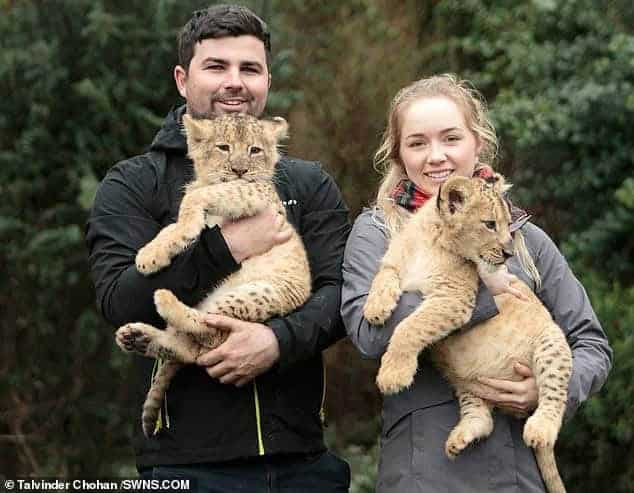
Imagine taking a morning walk through the rolling hills of rural Britain when someone mentions seeing a lion in the distance. At first, it sounds like an unbelievable rumor. Then photographs begin circulating online. Witnesses describe large paw prints, and discussions quickly spread across social media.
Stories like these naturally capture public imagination. They combine mystery, wildlife, and the enduring fascination with animals that seem out of place. One recent online article describes two lions, “Rocky” and “Rora,” allegedly roaming the British countryside, sparking debates about conservation, public safety, and rewilding.
However, there is an important question to ask before accepting such stories: Is there verified evidence that wild lions are currently living freely in rural Britain?
Based on available information from wildlife authorities and reputable conservation organizations, there is no confirmed evidence that a population of wild lions exists in the United Kingdom. Nevertheless, the story provides an interesting opportunity to explore why such reports appear, what science says about lion habitats, and how discussions about rewilding continue to shape conservation efforts.
Why Stories About Big Cats Capture Attention
Throughout history, people have shared stories about mysterious animals appearing where they are least expected.
Large cats are particularly fascinating because they symbolize strength, independence, and wilderness.
When reports emerge about unusual wildlife sightings, they often spread rapidly because they combine several elements people enjoy:
- Mystery
- Adventure
- Nature
- Photography
- Community discussion
Even when evidence remains inconclusive, curiosity encourages people to keep following the story.

Are Lions Native to Britain?
The simple answer is no.
Modern lions are native primarily to parts of sub-Saharan Africa, with a small population of Asiatic lions living in India’s Gir Forest.
Britain has not had native wild lion populations during recorded human history.
Although prehistoric relatives of modern lions once lived in parts of Europe thousands of years ago, today’s ecosystems are dramatically different.
Why Do Lion Sightings Sometimes Get Reported?
Occasional reports of large cats appear in various countries, including the United Kingdom.
Several explanations may account for these sightings.
Mistaken Identification
Animals viewed from long distances can appear much larger than they actually are.
Large dogs, deer, or other wildlife may sometimes be mistaken for unfamiliar animals.
Lighting, weather, and vegetation can also influence perception.
Escaped Exotic Pets
Historically, some countries have allowed private ownership of exotic animals under regulated conditions.
Although escapes are rare, authorities investigate reports whenever credible evidence is presented.
Internet Amplification
Modern social media allows dramatic stories to spread rapidly.
Photographs without context, edited images, or repeated rumors may make stories appear more convincing than the available evidence supports.

Understanding Lion Habitat
Lions have evolved to live in environments that differ significantly from Britain’s climate.
Typical lion habitats include:
- Grasslands
- Savannas
- Open woodlands
- Areas with abundant prey
These ecosystems provide suitable temperatures, space, and food resources that support lion populations.
Britain’s cooler climate and different wildlife communities would present significant challenges for free-ranging lions.
The Science of Rewilding
One interesting aspect of the story is its reference to rewilding.
Rewilding is a genuine conservation strategy aimed at restoring ecosystems by reintroducing native species or supporting natural ecological processes.
Examples include:
European Bison
Several European countries have successfully reintroduced European bison to suitable habitats.
Beavers
Beavers have returned to parts of Britain, helping restore wetlands and improve biodiversity.
Birds of Prey
Conservation programs have supported the recovery of several native bird species.
Importantly, rewilding efforts generally focus on species that historically belonged to the ecosystem.
There are no recognized conservation proposals advocating the release of lions into Britain’s countryside.
Could Lions Survive in Britain?
From a biological perspective, survival would depend on many factors.
Scientists would consider:
- Climate
- Food availability
- Habitat size
- Human interaction
- Veterinary health
- Long-term reproduction
Without appropriate habitat and management, establishing a sustainable wild population would be highly unlikely.
Why Verification Matters
Stories involving unusual wildlife deserve careful investigation.
Wildlife organizations evaluate reports using multiple forms of evidence, including:
- Photographs
- Video recordings
- Physical tracks
- DNA samples
- Expert field observations
Extraordinary claims require reliable evidence before they can be accepted as established facts.
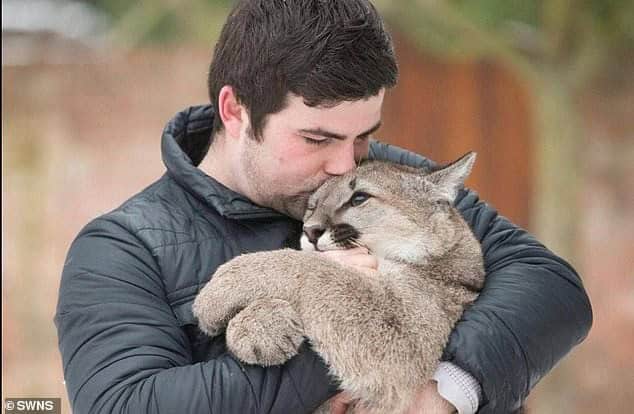
Public Safety and Wildlife
When reports involve potentially dangerous animals, authorities encourage people to remain calm and rely on official guidance.
If someone believes they have observed unusual wildlife, the recommended approach is generally to report the sighting to appropriate local authorities rather than attempting to approach or follow the animal.
Responsible reporting helps wildlife experts evaluate information objectively.
Frequently Asked Questions
Have lions been confirmed living wild in Britain?
No. Wildlife authorities have not confirmed the existence of free-ranging wild lions in Britain.
Why do mysterious animal stories spread so quickly?
Stories involving mystery, wildlife, and unusual events naturally attract public curiosity and are easily amplified through social media.
What is rewilding?
Rewilding is a conservation approach that restores natural ecosystems by supporting native species and ecological processes.
Could Britain ever reintroduce lions?
Current conservation efforts focus on native or historically present species. There are no established scientific proposals to introduce lions into Britain’s modern ecosystems.
Conclusion
The story of Rocky and Rora demonstrates how mysterious wildlife reports continue to capture imaginations around the world. While there is currently no verified evidence supporting the existence of wild lions roaming Britain’s countryside, the discussion highlights broader themes about conservation, biodiversity, and humanity’s relationship with nature.
Perhaps the greatest value of stories like these is not whether every reported sighting proves accurate, but how they inspire curiosity about wildlife and encourage people to learn more about ecosystems, conservation science, and responsible environmental stewardship.
Human curiosity has always fueled both storytelling and scientific discovery. By approaching remarkable claims with open-mindedness balanced by evidence, we can appreciate fascinating wildlife stories while developing a deeper understanding of the natural world.
Sources
- International Union for Conservation of Nature (IUCN) – Information on lion conservation and species distribution
- The Wildlife Trusts (UK) – Rewilding and habitat restoration resources
- Royal Society for the Protection of Birds (RSPB) – Conservation and biodiversity in the United Kingdom
- Natural England – Wildlife and habitat management information
- Zoological Society of London (ZSL) – Wildlife conservation and ecological research
- WWF – Lion ecology and conservation resources
- Editorial inspiration: Daily BB News, “Mysterious Lions Spark Debate in Rural Britain.” The specific claims regarding free-ranging lions in Britain have not been independently verified by recognized wildlife authorities.