



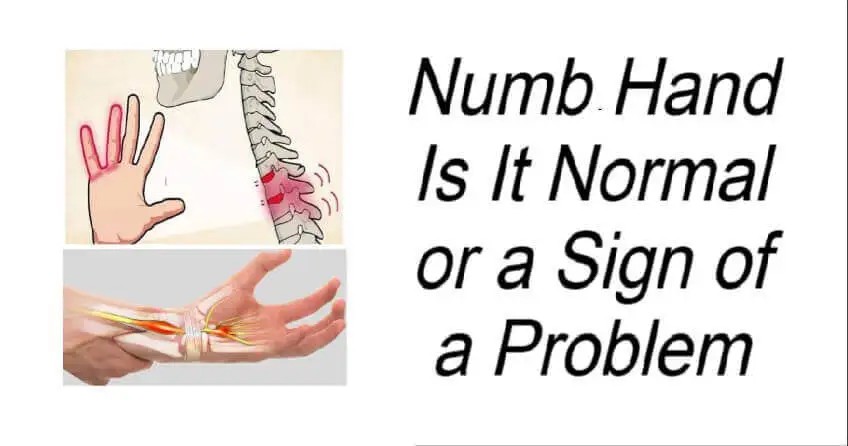
Numb Hand Is It Normal or a Sign of a Problem
Hand numbness can be a brief, harmless sensation after sleeping in an awkward position, but recurring or sudden numbness may also need medical attention. Understanding the pattern, location, and accompanying symptoms can help people know when to monitor the problem and when to seek care.
What Does It Mean When Your Hand Feels Numb?
A numb hand is a common symptom that can involve reduced sensation, tingling, “pins and needles,” burning, or a feeling that the hand has fallen asleep. The medical term often used for tingling or prickling sensations is paresthesia. These sensations may affect one finger, several fingers, the palm, the whole hand, or the arm.
Normal feeling in the hand depends on healthy nerves, adequate blood flow, and signals traveling properly between the brain, spinal cord, and the hand. Numbness can develop when a nerve is temporarily compressed, irritated, inflamed, or damaged. Less commonly, it can be linked to conditions affecting the brain, spinal cord, circulation, or the body’s metabolism.
Many people experience temporary numbness after leaning on an elbow, crossing an arm under the body while sleeping, or holding a position for a long time. In these situations, pressure on a nerve usually causes symptoms that improve after changing position and gently moving the hand. However, numbness that is repeated, prolonged, painful, or paired with weakness should not be ignored.
Common Causes of Hand Numbness
Temporary Pressure on a Nerve
The most familiar reason for a numb hand is temporary pressure on a nerve. Sleeping with the wrist bent, resting an elbow on a desk, carrying a heavy bag, or sitting with an arm trapped beneath the body can briefly interfere with nerve signaling. The hand may tingle as sensation returns after the pressure is relieved.
This type of numbness usually resolves within minutes. It is generally less concerning when it has an obvious positional cause, happens infrequently, and goes away completely. If symptoms repeatedly occur without a clear trigger or last a long time after pressure is removed, a clinician can help identify whether another issue is involved.
Carpal Tunnel Syndrome
Carpal tunnel syndrome is one of the most common causes of recurrent hand tingling and numbness. It occurs when the median nerve is compressed as it passes through a narrow passageway in the wrist called the carpal tunnel. The median nerve provides sensation to the thumb, index finger, middle finger, and part of the ring finger.
Symptoms of carpal tunnel syndrome often include nighttime tingling, numbness while holding a phone or steering wheel, hand weakness, or difficulty with fine tasks such as fastening buttons. Some people notice that shaking or moving the hand offers short-term relief. Repetitive wrist movements may contribute, but risk can also be influenced by pregnancy, wrist injury, arthritis, diabetes, thyroid disorders, and other factors that affect tissues around the wrist.
A healthcare professional may evaluate symptoms with a physical examination and, when needed, nerve conduction studies or other tests. Treatment can range from activity adjustments and a wrist splint, especially at night, to treatment of contributing conditions. More advanced cases may require specialist assessment.
Ulnar Nerve Compression
Numbness in the little finger and the outer half of the ring finger may involve the ulnar nerve. This nerve passes through a narrow area on the inner side of the elbow, sometimes called the “funny bone,” and continues into the hand. Leaning on the elbows for long periods or frequently bending the elbow can irritate this nerve.
Ulnar nerve compression can cause tingling in the ring and little fingers, reduced grip strength, or difficulty with finger coordination. Persistent symptoms deserve medical review because ongoing nerve compression can eventually affect hand function.
Neck and Spine Conditions
Nerves that serve the hand begin in the neck. A problem affecting these nerve roots, such as cervical radiculopathy, can lead to numbness, tingling, pain, or weakness that travels from the neck or shoulder into the arm and hand. Age-related changes in the spine, a disc problem, or injury can sometimes contribute.
Neck-related symptoms may become more noticeable with certain head or neck positions. A clinician can assess the pattern of symptoms, muscle strength, reflexes, and neck movement to determine whether the source may be in the neck rather than the wrist or elbow.
Peripheral Neuropathy
Peripheral neuropathy refers to damage or dysfunction involving nerves outside the brain and spinal cord. It may cause numbness, tingling, burning pain, or reduced sensation in the hands and feet. Diabetes is a common cause of peripheral neuropathy, particularly when blood glucose levels have been difficult to manage over time.
Other possible contributors include vitamin B12 deficiency, excessive alcohol use, certain medications, autoimmune conditions, kidney disease, thyroid disease, infections, and inherited nerve disorders. The exact cause is not always immediately clear, which is why a medical history, examination, and targeted laboratory testing can be important.
Raynaud’s Phenomenon and Blood Flow Changes
Cold temperatures or emotional stress can trigger temporary changes in blood flow to the fingers in people with Raynaud’s phenomenon. During an episode, fingers may feel cold, numb, or tingly and may change color. Symptoms commonly improve as the hands warm up.
Raynaud’s can occur on its own or, less often, in association with another medical condition. People who have frequent episodes, painful symptoms, skin changes, or symptoms that begin later in adulthood should discuss them with a healthcare professional.
Other Possible Causes
Hand numbness has a broad range of possible explanations. Anxiety and rapid breathing may cause temporary tingling in the hands, often alongside lightheadedness or a feeling of breathlessness. Migraine aura can also include sensory symptoms in some individuals. Injuries, inflammation, ganglion cysts, and arthritis can affect nerves around the wrist or hand.
Because the symptom can arise from several parts of the nervous system, it is not always possible to identify the cause based on numbness alone. The timing, affected fingers, triggers, duration, and related symptoms provide useful clues.
Which Fingers Are Numb Can Offer Clues
The location of numbness does not provide a diagnosis by itself, but it can help guide an evaluation. Tingling in the thumb, index finger, middle finger, and part of the ring finger may be associated with the median nerve and carpal tunnel syndrome. Symptoms focused on the little finger and part of the ring finger may point toward the ulnar nerve.
Numbness that begins in the neck or shoulder and moves down the arm may suggest irritation of a nerve root in the neck. Meanwhile, symptoms affecting both hands and feet can occur with peripheral neuropathy. A clinician considers these patterns alongside medical history and examination findings rather than relying on one symptom alone.
When Is a Numb Hand an Emergency?
Sudden numbness can occasionally be a sign of a medical emergency. Seek emergency medical help immediately if numbness begins suddenly, especially on one side of the body, or occurs with facial drooping, weakness of an arm or leg, confusion, trouble speaking or understanding speech, loss of balance, severe dizziness, or a sudden severe headache. These may be warning signs of stroke.
Emergency assessment is also important if hand numbness follows a significant injury, occurs with a cold, pale, or blue hand, or is accompanied by severe pain, major swelling, or an inability to move the fingers. These symptoms may indicate a problem requiring prompt evaluation.
In the United States, the Centers for Disease Control and Prevention advises calling emergency services right away when stroke symptoms appear. Even if symptoms improve quickly, urgent assessment is still important because temporary symptoms can signal a serious underlying risk.
When Should You Make a Medical Appointment?
It is sensible to arrange a non-emergency appointment if hand numbness is frequent, lasts for days or weeks, interrupts sleep, gradually worsens, or affects work and daily activities. Medical advice is also appropriate when numbness comes with pain, weakness, clumsiness, reduced grip, neck pain, or unexplained changes in sensation.
People with diabetes, thyroid disease, autoimmune conditions, kidney disease, or a history of nerve injury may benefit from discussing new numbness with their clinician sooner. Early evaluation can help identify treatable causes and reduce the chance of long-term nerve problems.
During an appointment, a clinician may ask when symptoms started, which fingers are affected, whether symptoms occur at night, what positions trigger them, and whether there are related symptoms such as weakness or neck pain. Depending on the findings, testing may include blood tests, nerve studies, imaging, or referral to a neurologist, orthopedic specialist, hand specialist, or physiotherapist.
Practical Steps That May Help Temporary Hand Numbness
For mild, position-related symptoms, changing posture and taking regular movement breaks can be useful. Avoid prolonged pressure on the wrist or elbow, especially while sleeping or working at a desk. Adjusting chair height, keyboard position, and arm support may help reduce strain during computer use.
Gentle hand, wrist, shoulder, and neck movement may relieve stiffness, but exercises should not cause pain or worsen symptoms. A neutral-position wrist splint at night may be recommended for some people with suspected carpal tunnel syndrome. It is best to seek professional guidance before relying on splints, supplements, or exercises for persistent symptoms.
Managing underlying health conditions is also important. For example, people with diabetes can work with their healthcare team on blood glucose management and routine foot and nerve care. A balanced diet that provides essential nutrients, avoiding tobacco, and following individualized medical advice can support overall nerve and vascular health.
Do not attempt to self-diagnose ongoing numbness. Massage, stretching, or changing ergonomics may be reasonable for occasional symptoms, but they are not substitutes for evaluation when warning signs are present.
The Bottom Line on Hand Numbness
A numb hand is often temporary and can happen when pressure is placed on a nerve during sleep or prolonged sitting. However, repeated numbness, symptoms that interfere with normal hand use, or tingling linked to weakness and pain can point to conditions such as carpal tunnel syndrome, ulnar nerve compression, neck-related nerve irritation, or peripheral neuropathy.
The most important distinction is between mild, short-lived symptoms that resolve after changing position and sudden or persistent symptoms that need assessment. Sudden numbness with stroke warning signs requires emergency care. For less urgent but recurring symptoms, a healthcare professional can determine the likely cause and discuss safe, evidence-based treatment options.
Sources
Disclaimer: This content is intended for entertainment purposes only and is not based on real events.