
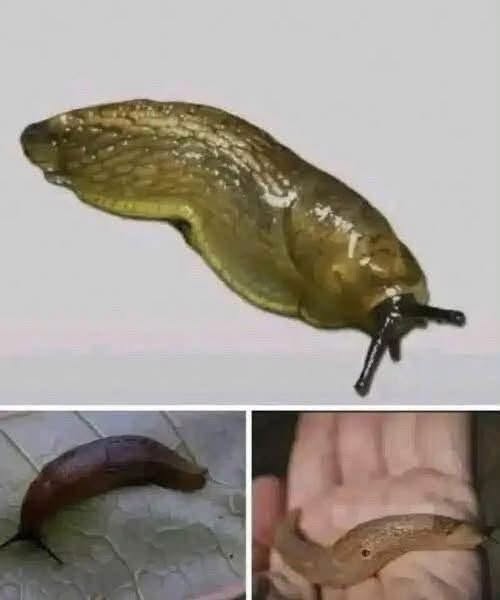
After a gentle rain, the garden comes alive with tiny signs of nature at work. Among the leaves and damp soil, a slug slowly glides across the ground. Many people barely give it a second glance, while others see it as nothing more than an unwelcome garden visitor. Yet beneath its simple appearance lies one of nature’s most fascinating and overlooked creatures.
Slugs have quietly contributed to healthy ecosystems for millions of years. They recycle organic matter, support countless wildlife species, and have even inspired breakthroughs in medicine and materials science. Although they rarely receive the admiration given to butterflies or birds, their impact on both the natural world and scientific research is surprisingly significant.
In this article, we’ll explore why slugs deserve far more appreciation than they usually receive, examining both their ecological importance and the remarkable ways they continue to influence modern science.
What Are Slugs?
Slugs are soft-bodied mollusks closely related to snails. Unlike their shelled relatives, most slugs either lack an external shell or have a greatly reduced internal one.
They thrive in moist environments such as forests, gardens, wetlands, and grasslands, where humidity helps prevent their bodies from drying out. While they are often most active during the night or after rainfall, slugs can be found on nearly every continent except Antarctica.
Their slow movement, powered by muscular contractions and a layer of mucus, allows them to travel across a variety of surfaces while minimizing damage to their delicate bodies.
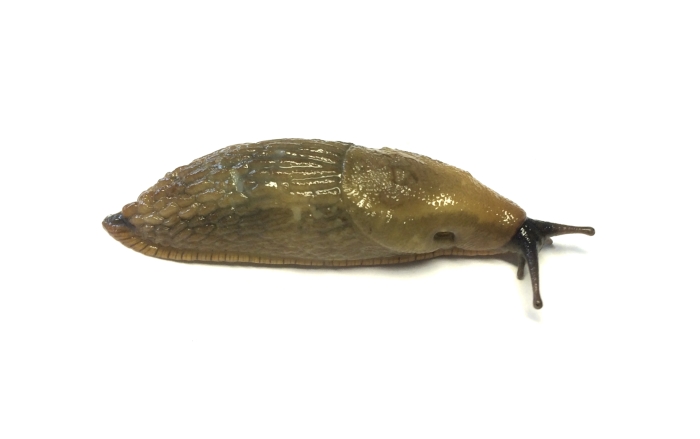
Nature’s Recycling Experts
One of the most valuable roles slugs play is as natural recyclers.
Rather than feeding exclusively on living plants, many slug species consume decaying leaves, fungi, fallen fruit, and other organic material. As they digest this matter, they help break it down into nutrients that return to the soil.
This natural recycling process offers several important benefits:
- Enriches soil with essential nutrients.
- Speeds up decomposition.
- Supports healthy plant growth.
- Helps reduce the buildup of organic waste.
Without decomposers like slugs, forests and gardens would accumulate far more dead plant material, slowing nutrient cycling throughout ecosystems.
Supporting Wildlife Food Webs
Although gardeners sometimes view slugs as pests, they serve as an important food source for many animals.
Numerous species depend on slugs as part of their regular diet, including:
- Birds
- Frogs
- Toads
- Hedgehogs
- Ground beetles
- Small mammals
- Some reptiles
Because slugs occupy a middle position in many food chains, they help transfer energy from decomposing organic matter to larger animals.
Healthy slug populations therefore contribute to balanced ecosystems by supporting biodiversity across multiple levels.
The Surprising Science of Slug Mucus
Perhaps the most remarkable feature of slugs is the mucus they produce.
While many people think of slug slime as simply sticky, scientists recognize it as an extraordinary natural material with unique physical and chemical properties.
Slug mucus serves several important purposes:
- Protects against dehydration.
- Helps movement across rough surfaces.
- Shields the body from injury.
- Provides temporary adhesion when climbing.
Researchers continue studying this remarkable substance because it combines flexibility, moisture retention, and adhesion in ways that are difficult to reproduce using synthetic materials.
How Slugs Inspire Medical Innovation
One exciting area of research involves bio-inspired medical adhesives.
Scientists have examined the properties of slug mucus to better understand how strong adhesives can remain flexible and effective in wet environments.
This research has contributed to the development of experimental medical materials that may one day assist in:
- Surgical procedures
- Wound closure
- Tissue repair
- Internal medical adhesives
Rather than replacing existing medical techniques overnight, slug-inspired materials represent one example of how observing nature can lead to innovative healthcare solutions.
Slugs and Modern Skincare
Nature has inspired many cosmetic ingredients, and slug-derived compounds have attracted growing scientific interest.
Certain components found in slug mucus contain substances associated with moisture retention and skin protection. Researchers continue investigating how these natural compounds may support skin hydration and barrier function.
Today, some skincare products incorporate ingredients inspired by or derived from mollusk mucus, although effectiveness varies depending on product formulation and ongoing scientific research.
Consumers should remember that reputable skincare products undergo testing and regulation before reaching the market, and claims should always be evaluated based on scientific evidence rather than marketing alone.
Helping Scientists Understand the Nervous System
Despite their simple appearance, slugs have contributed to neuroscience research for decades.
Their relatively simple nervous systems make them useful model organisms for studying fundamental biological processes.
Researchers have used slugs to investigate topics such as:
- Learning
- Memory formation
- Neural communication
- Basic brain function
Insights gained from these studies help scientists better understand how nervous systems process information, providing valuable foundations for broader neurological research.
While slug research cannot fully explain the complexity of the human brain, it offers important clues about the biological mechanisms shared across many living organisms.
Slugs in Healthy Gardens
Not every slug benefits every garden equally.
Some species feed on young vegetables and ornamental plants, leading gardeners to consider them pests.
However, many slugs primarily consume decaying organic material rather than healthy plants.
Creating a balanced garden ecosystem often means encouraging natural predators instead of relying solely on chemical controls.
Bird-friendly habitats, healthy soil, and diverse plant communities help maintain ecological balance while reducing excessive slug populations naturally.
Fascinating Facts About Slugs
Slugs possess several surprising characteristics that many people never realize.
Some species can stretch and compress their bodies to squeeze through incredibly small spaces.
Many slugs have thousands of microscopic teeth arranged on a ribbon-like tongue called a radula, allowing them to scrape food from surfaces.
They use chemical signals to communicate and locate suitable environments.
Their mucus changes depending on its purpose, with different secretions used for movement, defense, or adhesion.
These remarkable adaptations demonstrate that even seemingly simple animals have evolved sophisticated survival strategies.
Why Every Creature Matters
Ecologists often emphasize that ecosystems depend on countless small interactions.
Large animals may capture public attention, but smaller organisms frequently perform the everyday tasks that keep nature functioning.
Slugs contribute by:
- Recycling nutrients.
- Feeding wildlife.
- Supporting soil health.
- Inspiring scientific discoveries.
- Advancing biological research.
Removing even one group of organisms from an ecosystem can create ripple effects that extend far beyond what people initially expect.
Changing Our Perspective
Public perception often focuses on appearance rather than ecological value.
Slugs may not possess the bright colors of butterflies or the graceful movements of birds, but their importance lies in the work they quietly perform every day.
As scientists continue studying biodiversity, it becomes increasingly clear that even overlooked creatures can contribute valuable insights into medicine, ecology, and biology.
Learning about these often-misunderstood animals reminds us that nature’s greatest innovations sometimes come from its most unexpected inhabitants.

Conclusion
Slugs may never become the stars of wildlife documentaries, but their contributions to the natural world are undeniable. They recycle nutrients, support food webs, help maintain healthy ecosystems, and continue to inspire advances in science and medicine.
Their story serves as a reminder that every species has a role to play, regardless of its appearance or popularity. By looking beyond first impressions, we gain a deeper appreciation for the remarkable complexity of the natural world and the countless organisms working quietly beneath our feet.
Human curiosity has always flourished when we take a closer look at ordinary things. In the case of slugs, that curiosity reveals a creature whose influence reaches far beyond the garden path, reminding us that nature often hides its greatest wonders in the most unexpected places.
Sources
- Royal Horticultural Society (RHS). Slugs and Snails in the Garden.
- Smithsonian Magazine. Articles on mollusks and ecosystem biodiversity.
- National Geographic. Wildlife and invertebrate ecology resources.
- The Royal Society. Research on bio-inspired materials and biological adhesion.
- National Institutes of Health (NIH). Studies on biomimetic adhesives and neuroscience model organisms.
- Encyclopedia of Life (EOL). Species information on terrestrial slugs and mollusks.
- Britannica. Slug | Mollusk.