
A walk through a park, a hike in the countryside, or an afternoon spent gardening can be refreshing ways to enjoy the outdoors. Unfortunately, these activities can also increase exposure to insects and ticks. Most insect bites cause only temporary itching or mild discomfort, but a small number may require medical attention.
One condition that often receives increased attention during warmer months is Lyme disease, a bacterial infection that can be transmitted through the bite of certain infected ticks. Early recognition and prompt treatment can significantly improve outcomes, making it important to understand the warning signs without causing unnecessary alarm.
This guide explains how tick bites differ from other common insect bites, the symptoms of Lyme disease, practical prevention tips, and when it is appropriate to seek medical advice.
What Is Lyme Disease?
Lyme disease is a bacterial infection caused by Borrelia bacteria. It is transmitted to humans through the bite of certain infected ticks in regions where these ticks are present.
Not every tick carries Lyme disease, and not every tick bite leads to infection. However, recognizing potential symptoms early is important because treatment is generally most effective when started promptly.

How Do Tick Bites Differ From Other Insect Bites?
Many insect bites look similar at first, making it difficult to identify the cause based on appearance alone.
Tick Bites
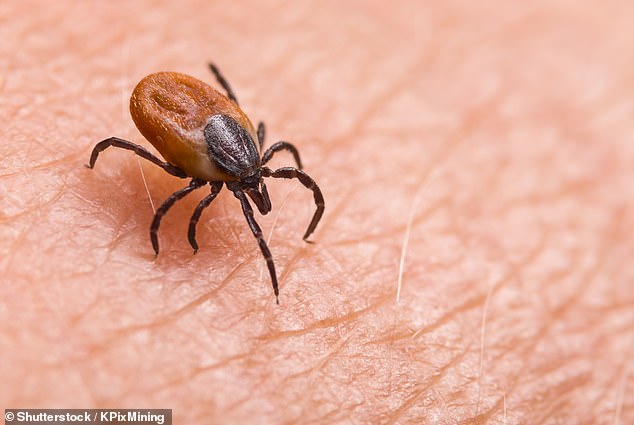
Ticks often remain attached to the skin while feeding. Some people may not notice the bite immediately because it is usually painless.
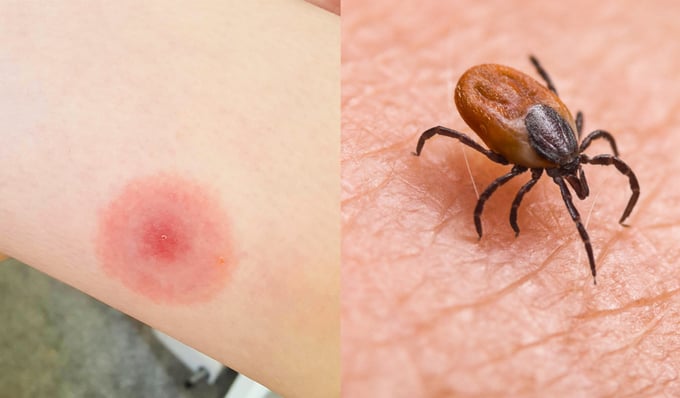
One well-known warning sign associated with Lyme disease is an expanding rash that may resemble a bull’s-eye or target, although not everyone with Lyme disease develops this rash.
Mosquito Bites
Mosquito bites typically appear as:
- Small raised bumps
- Mild redness
- Itching
- Random distribution on exposed skin
Most improve within a few days.
Midge Bites
Midge bites are often:
- Very small
- Extremely itchy
- Found in clusters
- Common on exposed areas such as ankles and arms
Horsefly Bites
Horsefly bites may cause:
- Immediate pain
- Larger areas of swelling
- Redness
- Tenderness
Unlike mosquito bites, they often hurt more than they itch.
Flea Bites
Flea bites commonly appear:
- Around ankles and lower legs
- In small clusters
- Sometimes in a line
- With intense itching

Common Symptoms of Lyme Disease
Early Lyme disease may cause one or more of the following:
- Expanding rash
- Fatigue
- Fever
- Headache
- Muscle aches
- Joint discomfort
- Swollen lymph nodes
Symptoms vary from person to person, and some individuals may not develop the characteristic rash.
When Should You See a Healthcare Professional?
Medical evaluation is recommended if:
- A tick has been attached to your skin.
- You develop an expanding rash after a tick bite.
- You experience flu-like symptoms following possible tick exposure.
- Symptoms continue to worsen or new symptoms appear.
Early treatment can help prevent more serious complications.
How to Remove a Tick Safely
If you discover an attached tick, health authorities generally recommend:
- Use fine-tipped tweezers.
- Grasp the tick as close to the skin as possible.
- Pull upward with steady, even pressure.
- Avoid twisting or crushing the tick.
- Clean the bite area with soap and water afterward.
Do not use methods such as burning the tick or applying petroleum jelly, as these approaches are not recommended.
Can Insect Bites Become Infected?
Yes. Any insect bite that is scratched repeatedly can become infected.
Possible signs include:
- Increasing redness
- Warmth around the bite
- Swelling
- Pus or discharge
- Worsening pain
If these symptoms develop, seek medical advice.
Allergic Reactions to Insect Bites
Although uncommon, some people may experience allergic reactions after bites or stings.
Emergency medical care should be sought immediately if someone develops:
- Difficulty breathing
- Swelling of the face, lips, tongue, or throat
- Severe dizziness
- Widespread hives or rash
- Loss of consciousness
These symptoms may indicate a serious allergic reaction.

Tips to Prevent Tick Bites
Reducing exposure to ticks is often the best prevention strategy.
Consider these precautions:
- Wear long sleeves and long trousers in grassy or wooded areas.
- Stay on marked trails when hiking.
- Use insect repellents according to label directions.
- Check clothing and skin after outdoor activities.
- Examine children and pets after spending time outdoors.
- Shower after returning home from areas where ticks are common.
Frequently Asked Questions
Does every tick carry Lyme disease?
No. Only certain ticks in affected regions may carry the bacteria that cause Lyme disease.
Does every tick bite cause Lyme disease?
No. Most tick bites do not result in Lyme disease.
Is the bull’s-eye rash always present?
No. While it is a well-known symptom, not everyone with Lyme disease develops the characteristic rash.
Can Lyme disease be treated?
Yes. When diagnosed early, Lyme disease is generally treated with antibiotics prescribed by a healthcare professional.
Conclusion
Most insect bites are harmless and improve with simple home care. However, understanding the differences between common bites and the warning signs of conditions such as Lyme disease can help people seek appropriate medical attention when necessary.
An expanding rash, flu-like symptoms after a tick bite, or signs of infection should never be ignored. Fortunately, simple preventive measures—such as checking for ticks after outdoor activities and removing attached ticks promptly—can significantly reduce potential risks.
Enjoying nature remains one of life’s great pleasures, and with a little awareness and preparation, most outdoor adventures can remain both safe and memorable.
Sources
- Centers for Disease Control and Prevention – Lyme disease symptoms, prevention, and tick removal guidance.
- National Health Service – Information on Lyme disease, tick bites, and treatment.
- UK Health Security Agency – Tick surveillance and Lyme disease information.
- Mayo Clinic – Lyme disease overview and medical guidance.
- World Health Organization – General information on vector-borne diseases.
- Editorial inspiration: Daily Mail, “Subtle sign your insect bite has triggered a life-ruining illness.” This article focuses on evidence-based public health guidance and avoids sensational language while emphasizing the importance of early recognition and appropriate medical care.