
The Emotional and Health Effects of Intimacy With the Wrong Person
Intimacy can be a meaningful part of human connection, often involving affection, trust, vulnerability, and shared expectations. Yet when two people have different intentions, communicate poorly, or fail to respect one another’s boundaries, an intimate relationship can lead to emotional distress and practical health concerns.
A difficult experience does not reduce anyone’s worth, and intimacy itself is not a mistake or a measure of character. The concerns arise when a person feels pressured, misled, unsafe, unsupported, or uncertain about their health. Understanding these risks can help people make informed decisions, seek care when needed, and build future relationships based on mutual respect.
Why Expectations Matter in Intimate Relationships
Physical closeness does not mean the same thing to every person. One partner may view intimacy as part of a developing committed relationship, while another may see it as a casual experience without plans for a long-term future. Neither preference is automatically wrong. Problems often begin when expectations are left unspoken or when one person creates a misleading impression about what they want.
For example, someone may interpret affectionate messages, frequent contact, and shared time as signs that a relationship is becoming serious. If the other person later withdraws or says they never wanted commitment, the emotional impact can be substantial. The pain may come less from intimacy itself than from the gap between what was expected and what actually happened.
Open communication can reduce this uncertainty. Conversations about dating, exclusivity, emotional expectations, privacy, contraception, and sexual health may feel uncomfortable at first, but they allow both people to make decisions based on accurate information. Healthy communication does not require defining every detail of a relationship immediately. It does mean making space for honesty.
Emotional Effects of Disappointment and Rejection
After a disappointing intimate relationship, people may experience sadness, confusion, anger, embarrassment, or regret. These reactions are common, particularly when someone had invested emotionally in the relationship or believed the connection had a different meaning for the other person.
Regret can lead people to replay messages, conversations, and decisions repeatedly. They may wonder whether they should have waited, asked more questions, or noticed warning signs sooner. Reflection can be useful when it helps clarify future boundaries. However, constant self-blame rarely provides a fair account of what happened.
Relationships involve more than one person’s choices. If someone lied about their intentions, ignored boundaries, or made promises they did not intend to keep, responsibility for that behavior belongs to them. A person can learn from an experience without deciding they deserved to be hurt.
It is also important to separate rejection from personal value. A relationship may end because of incompatibility, timing, emotional readiness, conflicting goals, or poor communication. None of these factors prove that one person is unworthy of affection or a healthy partnership.
How Broken Trust Can Affect Future Relationships
Trust is a central part of healthy relationships. It allows people to share personal information, express concerns, and feel confident that their boundaries will be treated seriously. When trust is broken, its effects can continue long after the relationship ends.
A person who has been deceived may begin to question their judgment. They may worry that they missed obvious signs or fear that future partners will behave in the same way. This response can be understandable, but one painful relationship is not evidence that every future relationship will be unsafe or dishonest.
Healthy trust develops gradually. It is built through consistent actions, clear communication, accountability, and respect. Rather than relying only on promises, it can help to observe patterns over time. Does the person communicate honestly? Do they respect a refusal without anger or guilt? Do they acknowledge mistakes? Do their actions generally match their words?
No person is perfect, and occasional misunderstandings happen in all relationships. Repeated dishonesty, manipulation, humiliation, intimidation, or disregard for boundaries, however, should be taken seriously. A respectful partner does not demand that someone ignore their discomfort in order to preserve the relationship.
Consent, Pressure, and Personal Boundaries
Consent is essential in every intimate situation. It should be voluntary, specific, and ongoing. A person can change their mind at any time, and agreeing to one activity does not mean agreeing to anything else. Being in a relationship does not remove the need for consent.
Pressure is not a sign of affection. Repeated requests after someone has said no, emotional guilt, threats to end a relationship, or claims that intimacy is “owed” can interfere with a person’s ability to make a free choice. Respectful partners accept boundaries without punishment, anger, or attempts to persuade someone past their comfort level.
Anyone who feels pressured, threatened, or unsafe deserves support. Speaking with a trusted friend, counselor, health professional, or local support service may help. In an immediate emergency, local emergency services should be contacted. People who have experienced coercion should not blame themselves; responsibility lies with the person who ignored or undermined consent.
Sexual Health Risks and Evidence-Based Prevention
Intimacy can also involve health considerations. Sexual activity does not automatically result in an infection or unintended pregnancy, but risk depends on the type of contact, the protection used, each partner’s health status, and access to preventive care.
Sexually transmitted infections, often called STIs, include chlamydia, gonorrhea, syphilis, genital herpes, human papillomavirus (HPV), hepatitis B, and HIV. Some infections may have symptoms, while others may not cause noticeable signs for a period of time. This means that appearance alone cannot reliably indicate a person’s sexual health status.
Testing is an important part of preventive health care. The right test and timing depend on the infection and the possible exposure. In some cases, a test taken very soon after exposure may not detect an infection, and a clinician may recommend follow-up testing. Sexual health clinics and healthcare professionals can provide confidential, evidence-based advice according to local laws and services.
Condoms, when used correctly and consistently, substantially reduce the risk of many STIs and can help prevent pregnancy. They do not eliminate every risk because some infections can spread through skin-to-skin contact in areas not covered by a condom. Vaccination against HPV and hepatitis B can offer additional protection for eligible people.
For a possible HIV exposure, prompt medical advice is particularly important. The U.S. Centers for Disease Control and Prevention states that post-exposure prophylaxis, or PEP, must be started as soon as possible and within 72 hours after a potential exposure. A healthcare professional can determine whether it is appropriate.
When to Seek Medical Advice
Some people delay healthcare because they feel embarrassed or fear judgment. In reality, sexual health care is routine medical care, and clinicians are trained to address these concerns professionally.
Symptoms such as unusual discharge, sores, irritation, pain during urination, pelvic discomfort, or persistent skin changes should be assessed by a qualified professional. These symptoms do not automatically mean someone has an STI; they can have many possible causes. Only an appropriate assessment and testing can identify the reason and guide treatment.
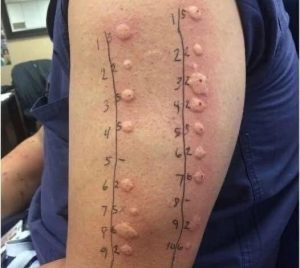
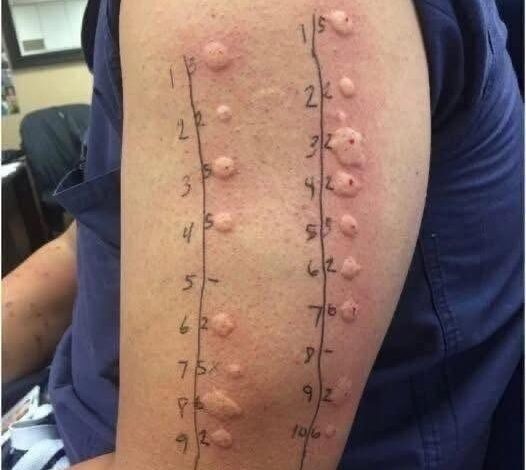
People should avoid self-diagnosing through photographs or online symptom searches. Visible marks or skin changes cannot establish the cause of a health condition without medical evaluation. Taking prescription medication, including antibiotics, without medical guidance is also not recommended because different conditions require different treatment approaches.
Urgent care may be needed for severe pain, heavy bleeding, fainting, fever with significant pelvic symptoms, or any situation in which someone feels physically unsafe. Timely care can reduce uncertainty and help prevent complications.
Contraception and Unintended Pregnancy
For sexual activity that can result in pregnancy, contraception is an important practical consideration. Available methods include condoms, oral contraceptive pills, implants, injections, intrauterine devices, and other options. Effectiveness, side effects, suitability, and availability differ between methods and individuals.
Condoms remain especially valuable because many other contraceptive methods prevent pregnancy but do not protect against STIs. A healthcare professional can help people compare options based on their health history, preferences, and future plans.
If contraception was not used, was used incorrectly, or may have failed, emergency contraception may be available. The options and time limits vary, so it is best to speak with a pharmacist, sexual health clinic, or healthcare provider as soon as possible. A pregnancy test may be appropriate when a period is late or pregnancy is suspected.
Supporting Mental Well-Being After a Difficult Experience
Relationship distress can affect sleep, appetite, concentration, work, education, and friendships. Some people may withdraw socially, become highly alert to signs of rejection, or find it difficult to trust again. These responses do not necessarily mean a person has a mental health condition, but they can indicate that additional support would be helpful.
Useful first steps may include talking with a trusted person, writing down thoughts, maintaining regular routines, exercising when possible, and reconnecting with hobbies or goals that existed outside the relationship. These actions do not erase pain, but they can provide stability while emotions settle.
Professional support may be appropriate when anxiety, sadness, fear, or shame persists or interferes with daily life. A licensed mental health professional can help someone understand their reactions, identify unhealthy thought patterns, and develop coping strategies. Seeking support is a practical act of self-care, not a sign of weakness.
Anyone experiencing thoughts of self-harm, feeling unsafe, or facing threats from another person should seek immediate help through local emergency services, a crisis line, or a trusted person who can assist with safety.
How to Build Healthier Relationships in the Future
Learning from a painful relationship does not require becoming suspicious of everyone. It can mean becoming clearer about personal needs and more attentive to whether a partner’s behavior supports emotional and physical well-being.
Before becoming intimate, consider what you want from the relationship. Some people want commitment, while others prefer casual dating or want to move slowly. There is no universal timetable and no single correct choice. What matters is being honest with yourself and communicating clearly with the other person.
Maintaining a support network is also valuable. Friends, family, colleagues, and personal interests can provide perspective and reduce isolation. A healthy romantic relationship should add to a person’s life, not require them to abandon every other source of support.
Privacy deserves attention as well. People should never feel pressured to share intimate images, personal messages, or sensitive information. Sharing private material without consent can cause serious harm and may violate laws in many jurisdictions. If someone threatens to distribute private content, it may help to preserve evidence when safe, report the issue to the relevant platform, and seek trusted legal or support resources.
Conclusion: Intimacy Should Be Grounded in Respect
A difficult intimate relationship can affect trust, self-confidence, health decisions, and future relationships. Yet a painful experience does not define a person’s value or determine their future. Recovery may involve time, support, medical care, stronger boundaries, and a renewed understanding of personal needs.
Healthy intimacy is grounded in voluntary consent, honest communication, mutual respect, and practical attention to sexual health. People deserve relationships in which they can express their needs, set boundaries, ask questions, and make decisions without pressure or fear.
It is possible to become more careful without becoming closed off. It is possible to protect your health and privacy while remaining open to connection. Most importantly, no one should measure their worth by the behavior of a partner who failed to treat them with honesty and respect.
Sources
Disclaimer: This content is intended for entertainment purposes only and is not based on real events.