
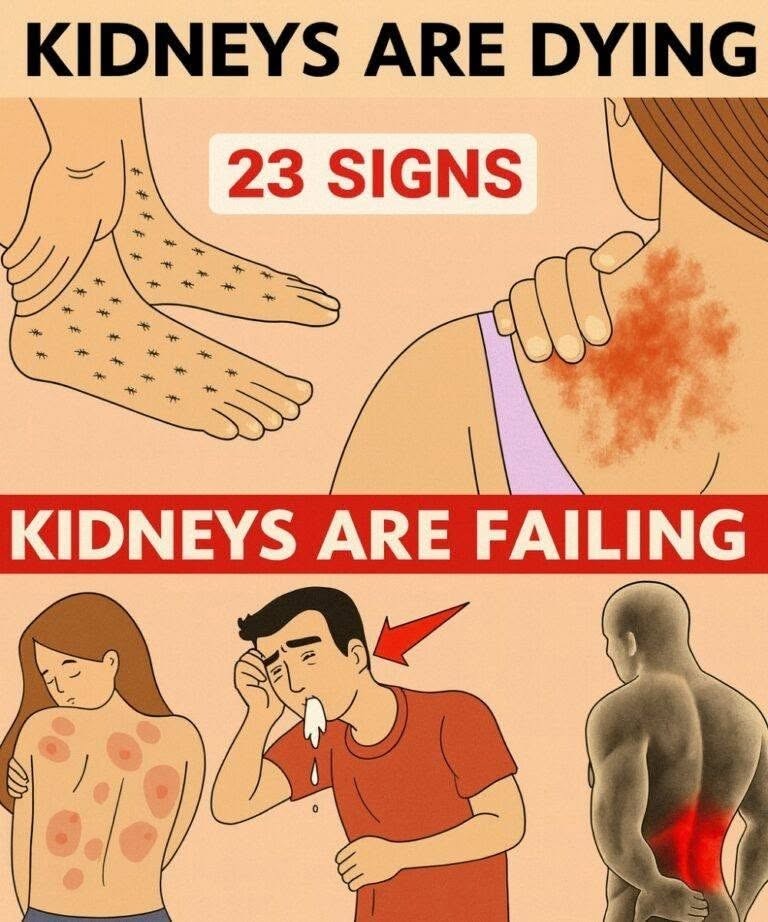
23 Strange Signs Your Kidneys Might Be in Trouble

The kidneys are remarkable organs that carry out essential tasks every day, often working in silence. They filter toxins and extra fluids from the blood, balance key minerals and water levels, help regulate blood pressure, and produce hormones that control red blood cell production and maintain healthy bones. Because kidneys are such efficient and resilient organs, kidney disease often progresses without prominent warning signs until the condition has advanced. This makes it vital to recognize subtle changes that could signal your kidneys are struggling, so you can take action and seek proper medical support.
Understanding Kidney Disease: Why Early Detection Is Challenging
Chronic kidney disease (CKD) has been called a “silent disease,” as early stages rarely produce noticeable symptoms. According to the Centers for Disease Control and Prevention (CDC), about 37 million people in the United States are estimated to have CKD, but as many as 9 in 10 adults do not know they have it. Kidneys may lose nearly 90% of their function before symptoms become obvious. This lag between damage and symptoms makes understanding unusual or persistent signs especially critical for protecting long-term kidney health.
23 Unusual Signs Your Kidneys Might Be in Trouble
The following symptoms do not automatically mean you have kidney disease. Many can be caused by a variety of other health conditions. However, persistent, worsening, or multiple symptoms should not be ignored, and medical guidance should be sought for evaluation.
1. Persistent Fatigue and Weakness
Feeling tired after a day’s work or poor sleep is normal, but ongoing fatigue, tiredness, or unexplained weakness may be cause for concern. When your kidneys cannot filter waste properly, toxins build up and may contribute to a decrease in red blood cells (anemia), leaving you feeling drained despite adequate rest. The National Kidney Foundation notes unexplained and persistent fatigue is one of the first warning signs spotted by people with kidney problems.
2. Trouble Concentrating or “Brain Fog”
Struggling to focus or feeling mentally foggy can result from accumulation of waste products in the blood or from anemia. Reduced oxygen delivery to the brain, a consequence of poor kidney function, can also lead to memory troubles and reduced cognitive sharpness.
3. Difficulty Sleeping
Sleep disruptions—especially waking up repeatedly or struggling with restless leg syndrome—are common among people with declining kidney health. Toxins remaining in the bloodstream can disturb sleep patterns and increase the risk of sleep apnea.
4. Persistent Itching
Severe or unrelenting itchiness (pruritus) may reflect an imbalance of minerals such as phosphorus and calcium or build-up of toxins in the blood, both related to impaired kidney function.
5. Dry and Flaky Skin
If your kidneys are unable to balance minerals and nutrition in the blood, you may develop dry, rough, and flaky skin—especially on your arms and legs—since they cannot maintain the correct levels of nutrients and electrolytes required for skin health.
6. Swelling in Feet, Ankles, or Hands
Swelling (edema) in your feet, ankles, legs, or hands may signal fluid retention when your kidneys cannot adequately remove excess sodium and fluid from the body. This swelling is often seen in the lower extremities due to the effects of gravity.
7. Puffy Eyes
Unusual puffiness around the eyes, especially in the morning, could be a sign your kidneys are allowing protein to leak into the urine due to filtration issues. This loss of protein often appears as swelling around the eyelids.
8. Changes in Urination Patterns
Noticing a sudden urge to urinate frequently, especially at night, or experiencing a change in color, consistency, or foaminess of urine can point to underlying kidney issues. Blood in the urine (hematuria) and a decrease in urine output are both concerning and require immediate medical attention.
9. Shortness of Breath
Difficulty catching your breath, especially with minimal physical activity, may be a result of fluid accumulation in the lungs due to poor kidney function, or as a consequence of anemia related to kidney disease.
10. High Blood Pressure (Hypertension)
The kidneys play an integral role in regulating blood pressure. Uncontrolled hypertension can damage the kidneys over time, while declining kidney function can contribute to increasing blood pressure, creating a vicious cycle.
11. Blood in Urine
Visible blood (pink, red, or cola-colored urine) may be a sign of kidney stones, infection, or more serious conditions such as tumors or advanced CKD. This should never be ignored.
12. Frequent Muscle Cramps
Kidneys help balance major mineral levels. Cramps, especially in the legs, may be caused by electrolyte imbalances, such as low calcium or abnormal potassium.
13. Loss of Appetite or Metallic Taste in Mouth
Building up of waste materials can cause changes in taste and food preferences, producing a metallic taste and bad breath (uremia), and cause nausea or reduced appetite.
14. Nausea or Vomiting
Advanced kidney disease can lead to digestive disturbances such as ongoing nausea, vomiting, or an overall sense of digestive upset linked to the accumulation of bodily toxins.
15. Ammonia or “Fishy” Breath
A strong, persistent ammonia-like smell to the breath can result from uremia—when high levels of urea build up in the blood and are exhaled in the breath.
16. Unexplained Weight Loss
Significant weight loss, or loss of muscle mass, may occur in advanced stages of CKD due to poor nutrition, decreased appetite, and the body’s inability to manage waste products efficiently.
17. Bone Pain or Weakness
The kidneys help regulate the body’s vitamin D and calcium. Impaired kidney function may lead to loss of bone mineral content, fragile bones (osteodystrophy), and even risk of bone fractures.
18. High Blood Levels of Potassium (Hyperkalemia)
This is typically discovered via laboratory testing during regular checkups. High potassium can cause symptoms like irregular heartbeats and muscle weakness—sometimes without warning signs until dangerous levels are reached.
19. Urine That Is Foamy or Bubbly
Foam or persistent bubbles in urine, similar to the foam produced when scrambling eggs (indicating protein), can signal excessive protein being eliminated due to poor kidney filtration.
20. Flank or Lower Back Pain
Pain near the lower back or sides (the flanks) can be a symptom of kidney infection, kidney stones, or polycystic kidney disease.
21. Frequent Urinary Tract Infections
Recurring UTIs may indicate an underlying problem in the urinary system that can stress the kidneys or indicate a higher risk for kidney infection (pyelonephritis).
22. Increased Thirst
Feeling abnormally thirsty all the time can be a consequence of the kidneys’ inability to manage water balance properly. Excess water loss or dehydration may provoke persistent thirst, even before other symptoms develop.
23. Pale Skin or Easy Bruising
The anemia often present with chronic kidney problems may result in unusually pale skin or a tendency to bruise more easily than normal, due to reduced red blood cell counts and clotting issues.
When to Seek Medical Advice
Some of these symptoms may have benign explanations but should be checked if new, severe, persistent, or appearing in combination. Your healthcare provider can order simple blood and urine tests to measure kidney function, such as a creatinine test, estimated glomerular filtration rate (eGFR), and urine protein analysis. Early detection and management are crucial for slowing progression of kidney disease and minimizing long-term impacts. If you notice blood in your urine, pronounced swelling, or trouble breathing, these are considered medical emergencies and require prompt attention.
Expert Views and Global Context
Leading organizations such as the National Kidney Foundation and the World Health Organization (WHO) stress the importance of raising global awareness of CKD and promoting regular screening among at-risk populations. Risk factors include diabetes, high blood pressure, family history, older age, and certain ethnic backgrounds. Prevention and early treatment through lifestyle modifications (a healthy diet, regular exercise, managing blood pressure and blood sugar, and not smoking) are vital in reducing the burden of kidney disease globally.
Maintaining Healthy Kidneys
- Stay hydrated by drinking the recommended amount of water for your age and health status.
- Eat a balanced diet low in salt and processed foods.
- Exercise regularly and aim for a healthy weight.
- Limit the use of over-the-counter painkillers and non-steroidal anti-inflammatory drugs, which can harm the kidneys in the long term.
- Manage medical conditions such as diabetes and hypertension with the support of your healthcare team.
- Avoid smoking and minimize alcohol intake.
- Get regular health checkups, especially if you have risk factors for kidney disease.
Societal and International Responses
Various governments and non-governmental organizations have initiated awareness campaigns—such as World Kidney Day and public health screenings—to encourage earlier recognition and treatment of kidney disease. International guidelines are available to help providers in low-resource settings diagnose and manage CKD, responding to its increasing prevalence amid rising rates of hypertension and diabetes worldwide.
Conclusion
The kidneys are silent workhorses, essential for keeping our bodies in harmony. Because serious kidney problems often go unnoticed until advanced stages, learning to recognize even subtle symptoms is important for early intervention. While the signs above are not exclusive to kidney disease, they warrant further investigation, especially if you have known risk factors or multiple symptoms. Proactive health monitoring and regular dialogue with your healthcare team can help preserve kidney function and enhance quality of life.
Sources
- National Kidney Foundation: About Chronic Kidney Disease
- Centers for Disease Control and Prevention: Chronic Kidney Disease in the United States
- World Health Organization: Kidney Diseases
- Mayo Clinic: Chronic Kidney Disease
Disclaimer: This content is intended for entertainment purposes only and is not based on real events.