
Photographs have the power to inspire, surprise, and start conversations. In today’s digital world, a single image can travel across continents within minutes, attracting admiration from some viewers while raising ethical questions from others.
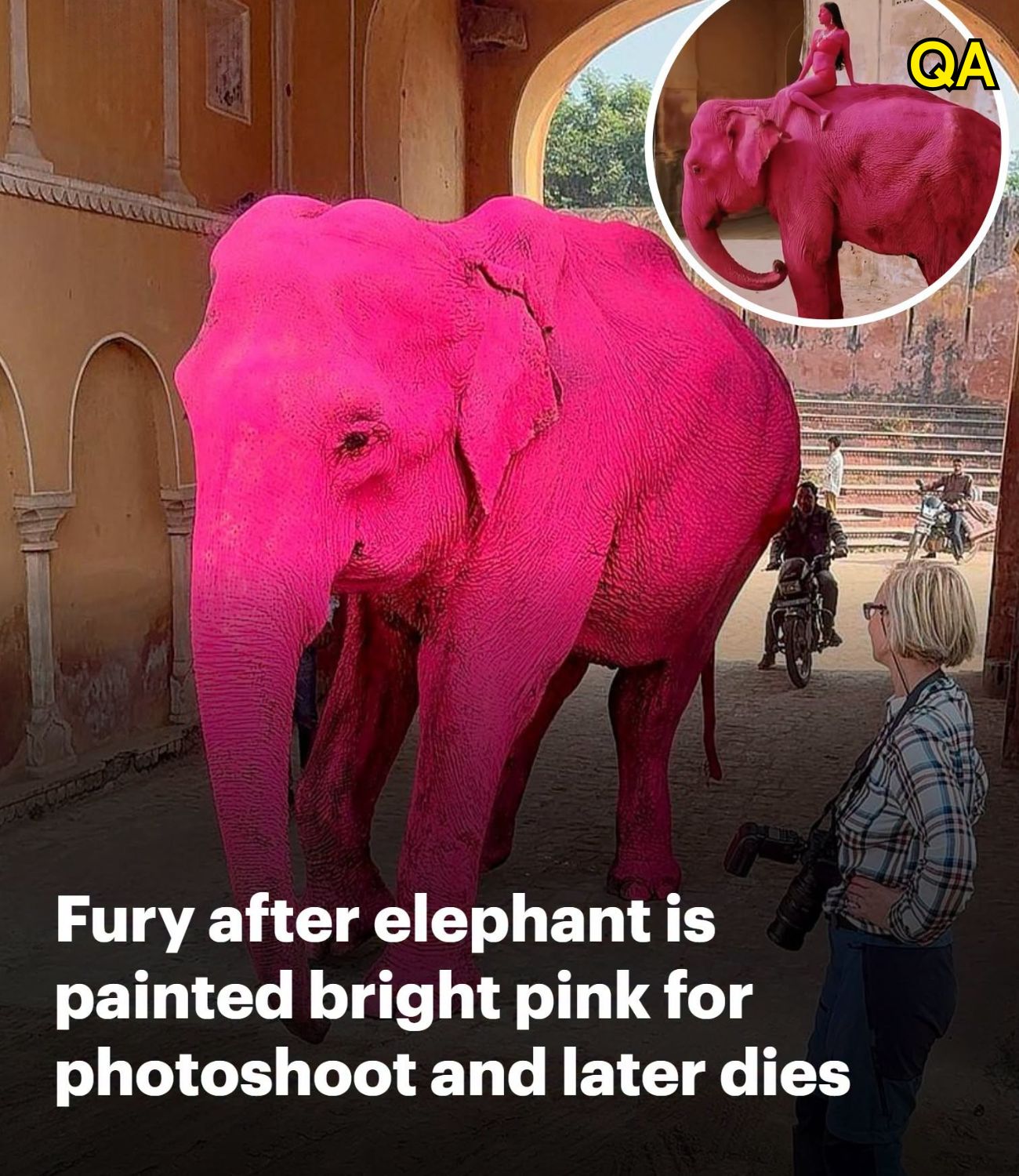
One recent photoshoot involving an elephant painted bright pink has generated widespread discussion online. Months after the images were released, news that the elephant had later died prompted renewed public attention and intense debate about animal welfare, artistic expression, and responsible photography.
While emotions surrounding the story have been strong, it is important to distinguish between verified facts and speculation. At present, there is no publicly confirmed evidence linking the elephant’s passing directly to the photoshoot. Nevertheless, the incident has encouraged broader conversations about how animals should be treated in creative projects.
What Happened?
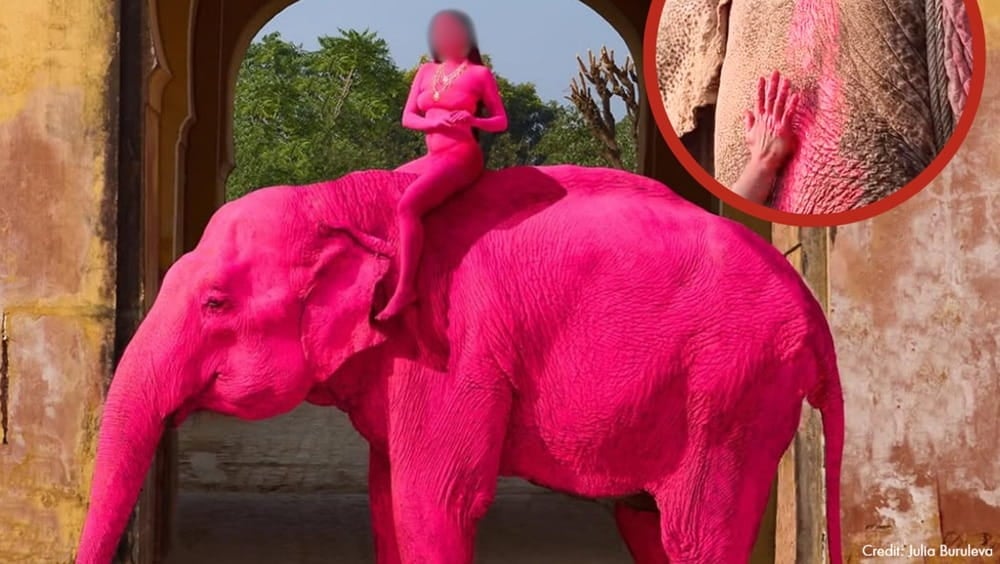
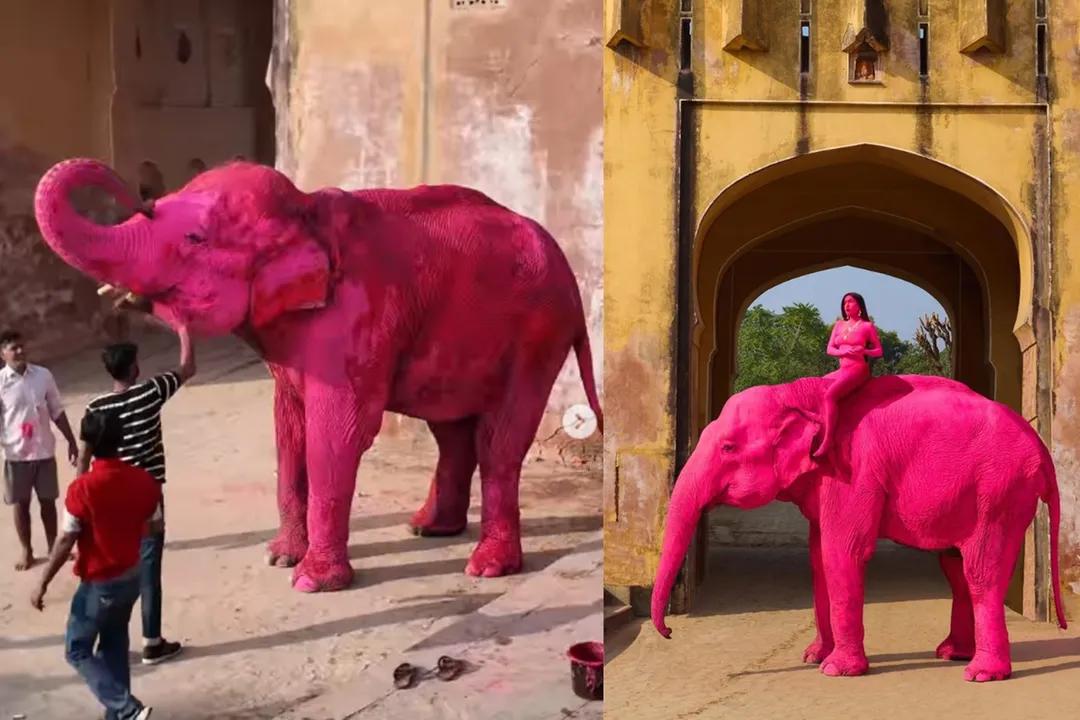
According to multiple media reports, Russian photographer Julia Buruleva organized a photoshoot in India featuring an elderly Indian elephant whose skin was temporarily painted bright pink.
The artistic concept also included models dressed in coordinated pink tones.
The striking images quickly spread across social media platforms, drawing both praise for their visual creativity and criticism from people concerned about the elephant’s welfare.
Several months later, reports confirmed that the elephant had passed away.
The timing of the animal’s passing led to renewed public scrutiny of the photoshoot, even though authorities and published reports have not established a causal connection between the two events.

The Photographer’s Response
Following the online backlash, Buruleva stated that the elephant’s passing resulted from old age rather than any aspect of the photography project.
She also explained that the paint used during the session was described as an organic, locally produced product similar to materials traditionally used during festivals.
According to her statements, the materials were believed to be safe for the animal.
She further said she had received a large volume of hostile online messages after news of the elephant’s passing became widely reported.
Public Reaction
The photos generated sharply divided opinions.
Some viewers appreciated the artistic style and colorful imagery.
Others questioned whether painting an animal for photography was appropriate, regardless of the materials used.
Many social media users expressed broader concerns about using animals in entertainment or commercial projects.
Animal welfare organizations and advocates often encourage photographers and content creators to minimize unnecessary handling or modification of animals during productions.
Separating Facts From Speculation
As with many widely shared online stories, it is important to separate confirmed information from assumptions.
Confirmed information includes:
-
A photoshoot featuring a pink-painted elephant took place.
-
The elephant later passed away several months afterward.
-
The photographer stated the paint was organic and safe.
-
Significant online criticism followed.
Not confirmed:
-
That the paint caused the elephant’s passing.
-
That the photoshoot directly affected the elephant’s health.
-
Any official finding connecting the two events.
Without scientific evidence or official veterinary findings establishing a link, conclusions about the cause remain speculative.

Animal Welfare in Photography
Professional photographers increasingly work alongside veterinarians, trainers, and animal welfare specialists when animals participate in commercial productions.
Best practices often include:
-
Limiting stress for the animal.
-
Using non-toxic materials approved for animal use.
-
Keeping sessions short.
-
Monitoring behavior throughout the event.
-
Providing appropriate rest and care.
Many productions also choose to minimize physical alterations to animals whenever possible.
Why Ethical Photography Matters
Photography can celebrate wildlife while also promoting responsible treatment.
Ethical wildlife photography generally emphasizes:
-
Respect for natural behavior.
-
Minimal interference.
-
Safe environments.
-
Professional supervision.
-
Conservation awareness.
These principles help balance artistic creativity with animal well-being.
The Growing Influence of Social Media
Social media allows images to reach global audiences almost instantly.
While this creates opportunities for artists, it also increases public scrutiny.
Viewers today frequently ask questions about:
-
Animal welfare
-
Environmental responsibility
-
Cultural sensitivity
-
Ethical production methods
As a result, creators often provide additional information explaining how photographs were produced.
Greater transparency can help audiences better understand the circumstances behind creative projects.
Understanding Public Concern
Elephants are among the world’s most admired animals.
Known for their intelligence, complex social behavior, and long lifespans, they often inspire strong emotional connections among people worldwide.
Because of this, photographs involving elephants frequently generate passionate responses.
Public concern does not necessarily indicate wrongdoing occurred, but it does demonstrate growing awareness of animal welfare issues.
Responsible Discussion of Wildlife Stories
Stories involving animals often spread rapidly online, particularly when dramatic headlines accompany emotional images.
Readers benefit from asking several important questions:
-
Has the information been independently verified?
-
What do official sources say?
-
Are conclusions based on evidence or speculation?
-
Has the full context been provided?
Taking time to evaluate reliable information helps encourage balanced discussions rather than assumptions.
Lessons for Photographers and Content Creators
The debate surrounding this photoshoot offers valuable lessons for creative professionals.
Many experts recommend:
-
Prioritizing animal comfort.
-
Consulting veterinary professionals when appropriate.
-
Being transparent about production methods.
-
Respecting local regulations.
-
Anticipating public questions about animal welfare.
Thoughtful planning helps build trust with audiences while supporting responsible creative practices.
Conclusion
The discussion surrounding the pink elephant photoshoot reflects broader conversations about creativity, responsibility, and the ethical treatment of animals. Although the elephant’s passing occurred months after the photography session, there is currently no verified evidence establishing that the photoshoot caused its death. For that reason, it is important to avoid drawing conclusions beyond the available facts.
At the same time, the incident has encouraged photographers, audiences, and animal welfare advocates to reflect on how animals are represented in artistic work. As public awareness continues to grow, responsible photography increasingly emphasizes transparency, respect, and careful consideration for animal well-being.
Human curiosity often begins with a striking image, but meaningful conversations emerge when we approach stories with empathy, evidence, and a commitment to understanding the full picture.
Sources
-
Daily Mail – Fury After Elephant Painted Bright Pink for Photoshoot and Later Dies.
-
World Association of Zoos and Aquariums (WAZA) – Animal Welfare Principles.
-
International Union for Conservation of Nature (IUCN) – Asian Elephant information.
-
World Animal Protection – Guidelines on responsible treatment of animals.
-
Smithsonian’s National Zoo & Conservation Biology Institute – Asian elephant facts.