

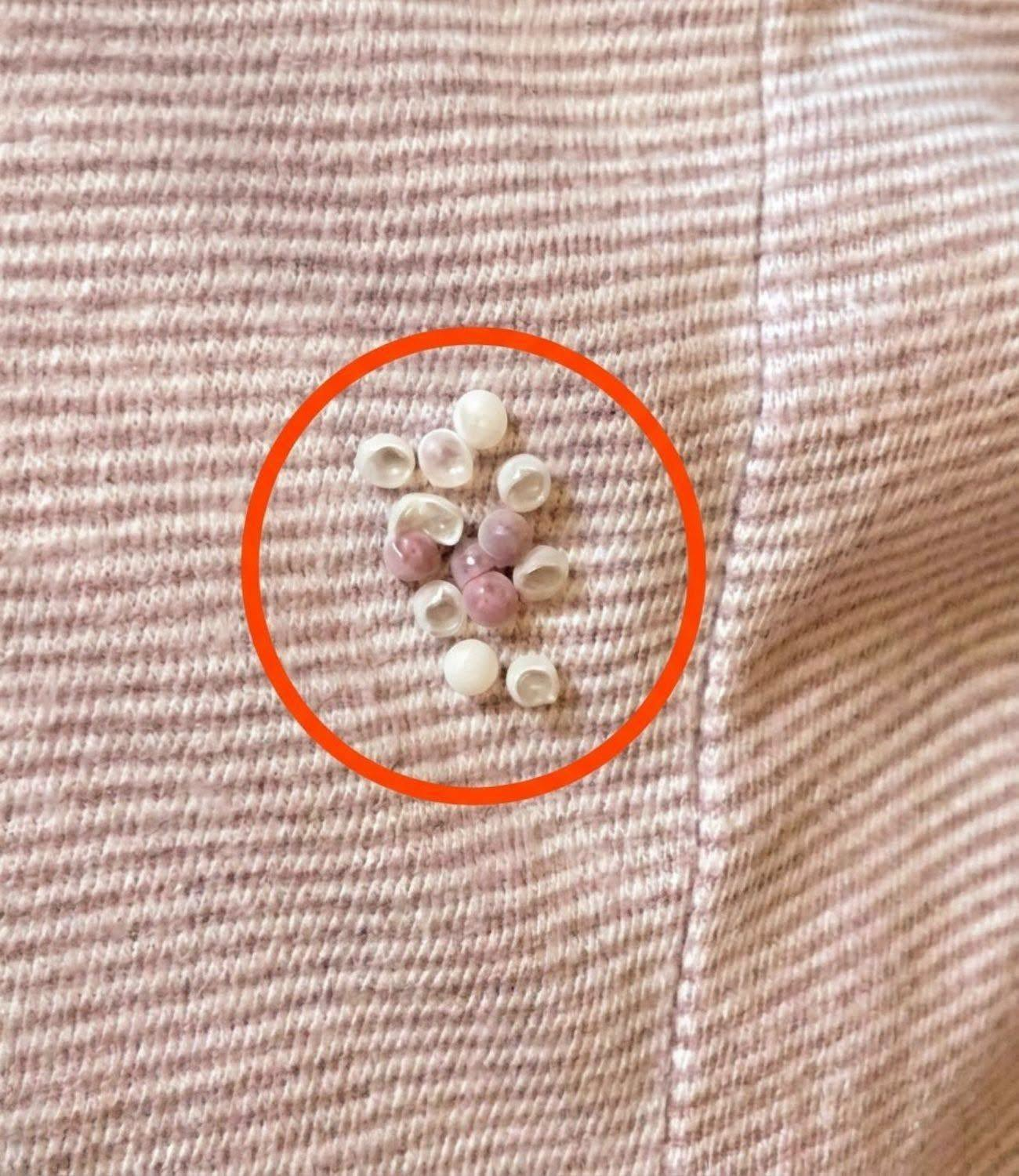
Discovering Stink Bug Eggs in Your Bed: What You Need to Know
Encountering something unfamiliar on your bedding can be disconcerting. Sunlight streaming into a bedroom, a peaceful retreat, is suddenly marred by the sight of small, pale, round specks scattered across sheets and pillowcases. For many, this triggers concern and the immediate question: are these insect eggs, specifically from pests like stink bugs?
In recent years, reports and online stories have surfaced of people finding tiny round objects on their beds, which sometimes turn out to be stink bug eggs. While unsettling, such discoveries offer an opportunity to better understand household pests and take effective action, relying on proper identification and targeted prevention measures rather than panic.
Understanding Stink Bugs: Appearance, Behavior, and Habitat
Stink bugs are insects in the family Pentatomidae, with the brown marmorated stink bug (Halyomorpha halys) being one of the most prolific species in North America, Europe, and parts of Asia. Originally native to East Asia, the brown marmorated stink bug has spread globally, adapting to both rural and urban environments.
The nickname “stink bug” comes from the odor the insects release when threatened or crushed. This scent, produced by specialized glands, acts as a defense mechanism to deter predators. Despite their name, these bugs are not considered medically or physically harmful to humans—they do not bite, sting, or spread diseases indoors. Their presence is, instead, primarily a nuisance.
Stink bugs spend most of their time outdoors, especially in gardens, orchards, and on a wide variety of crops. Their diet consists mainly of plant juices, and in agricultural areas, they can become significant pests, damaging fruit and vegetable crops.
Stink Bug Eggs: Identification and Appearance
Recognizing stink bug eggs is the first step in addressing any concerns. Stink bug eggs have some distinctive features:
- They are small, typically 1-2 mm in diameter, and nearly spherical or slightly barrel-shaped.
- Color varies from pale white to light green or cream, depending on the species and age of the eggs.
- Eggs are often arranged in tight, neat clusters, usually containing between 20 and 30 eggs.
- They are firmly attached to the surface where they are laid, making them difficult to dislodge without scraping.
At a glance, these clusters may resemble tiny beads aligned in a grid. Under magnification, the eggs may have a cap or lid-like structure, which young stink bugs use to emerge when hatching.
Where Do Stink Bugs Lay Their Eggs?
Under natural circumstances, stink bugs prefer to lay their eggs outdoors. Prime locations include:
- The underside of leaves in gardens or wild vegetation
- Garden plants, including tomatoes, beans, and cucumbers
- Shrubs and fruit trees
- Vegetable crops in both commercial and home gardens
It is considered uncommon for stink bugs to lay eggs indoors, especially on bedding. If eggs resembling those of stink bugs appear inside, alternative explanations should be considered: seeds, household debris, or the eggs of other insect species.
For uncertain cases, photographing the object and consulting local cooperative extension offices or licensed pest professionals is highly recommended to ensure accurate identification.
Why Do Stink Bugs Enter Homes?
Adult stink bugs are not adapted to survive cold winters outdoors. As autumn approaches and temperatures drop, they seek shelter in warm, protected environments—most commonly, homes and other structures.
Once inside, stink bugs gravitate toward:
- Windows and window frames
- Cracks or gaps around doors
- Attics, wall voids, and sometimes garages
After gaining entry, stink bugs usually become inactive or enter a dormant state, waiting for warmer weather to return. It is relatively common to spot individual stink bugs in homes during fall or winter, but egg-laying inside is rare compared to the outdoors.
What to Do If You Find Suspected Insect Eggs Indoors
If you discover small clusters or specks on your bedding or elsewhere indoors, follow these steps before taking further action:
1. Inspect Carefully
Closely examine the color, shape, and arrangement of the objects. Compare them to reputable online images or guides for insect eggs.
2. Take a Photograph
Use your phone or camera to snap a clear, close-up picture. This can be crucial for accurate identification by professionals or extension services.
3. Remove Safely
Do not touch unidentified eggs with bare hands. Use gloves or a tissue to gently collect the specimen. Place them in a small, sealable plastic bag if further identification is needed.
4. Clean the Area
Wash all bedding in hot water and thoroughly clean surrounding surfaces. Many insect eggs do not survive standard laundry cycles.
5. Continue Monitoring
Watch for additional signs of insect activity near windows, curtains, indoor plants, or other entry points. If sightings persist, professional evaluation may be warranted.
Prevention: How to Keep Stink Bugs Out of Your Home
Prevention is the most effective strategy for reducing the chances of indoor encounters with stink bugs or their eggs. Experts recommend the following actions:
- Seal cracks and crevices around windows, doors, siding, and utility pipes with caulking or foam.
- Repair damaged screens to limit insect entry points.
- Reduce exterior lighting near entrances, as light can attract stink bugs in the evening.
- Check for and close gaps in attic vents or crawlspaces.
- Conduct a thorough home inspection each autumn, especially if you live in a region where stink bugs are common.
Simple household maintenance, such as keeping rooms clean and clear of debris, also discourages most pests from settling indoors.
Are Stink Bugs Dangerous to People or Homes?
Stink bugs pose minimal health risks to humans. They neither bite nor sting and are not known to transmit any diseases indoors. Further, they do not cause structural damage or harm household furnishings. Their main inconvenience is the strong odor emitted when crushed, which can linger if not promptly cleaned.
Because of this, pest experts advise picking up stink bugs gently and releasing them outside or disposing of them without crushing whenever possible.
Other Household Insects That Lay Similar Eggs
Stink bug eggs are just one of many types of insect eggs that occasionally show up indoors. Others with somewhat similar appearance include:
- Lady beetles (ladybugs)
- Moths
- Various beetles
- Lacewings
It is important to remember that insect eggs can vary greatly in look, even within a single species, due to age or environmental conditions. Accurate identification is best achieved through close inspection and expert consultation, rather than relying solely on web images.
Maintaining a Pest-Free Bedroom Environment
Adopting healthy habits is crucial for minimizing pest problems in your living spaces. Recommended practices include:
- Washing bedding and linens regularly
- Vacuuming under beds and furniture
- Reducing clutter, which can conceal insects
- Inspecting and cleaning window frames and sills
- Keeping indoor plants healthy and free from pests
- Addressing sources of moisture, such as condensation or leaks, immediately
While cleanliness cannot guarantee complete exclusion of insects, it dramatically reduces the risk and severity of any infestation.
Common Myths About Stink Bugs
Myth: Stink Bugs Always Lay Eggs Indoors
This is false. Most egg-laying occurs on outdoor plants, and finding stink bug eggs inside is an anomaly.
Myth: Stink Bugs Are Dangerous to Humans
Research consistently shows that these insects are not significant health threats. Their defensive odor, while unpleasant, is harmless.
Myth: One Stink Bug Means There Is a Major Infestation
Finding a single stink bug indoors is often a seasonal event, particularly during fall or winter. It does not usually signal a widespread infestation, especially if egg clusters are absent.
Responding to Unexpected Discoveries: Best Practices
When discovering unfamiliar objects in your personal spaces, measured response—based on observation and reliable information—is essential. A calm, methodical approach, rather than panic-driven assumptions, best protects your health, home, and peace of mind.
In the case of possible stink bug eggs, begin with careful inspection and cleaning, use preventive maintenance to seal entry points, and reach out to local experts if the situation persists or you have trouble identifying the insect involved. Professional pest management services can offer safe, effective solutions for more serious or recurring problems.
Conclusion
Discovering possible insect eggs on your bed can be startling, but such incidents are typically rare—especially with stink bugs, whose eggs are usually found outdoors. Most household encounters with stink bugs amount to temporary inconvenience rather than health hazards or property threats. By learning to recognize stink bugs and their eggs, improving home cleanliness, and taking effective preventive action, you can manage future surprises with confidence and control.
Remember: curiosity and calmly seeking information are your strongest tools in responding to unexpected household events. With credible advice and routine maintenance, you can minimize worry—and keep your home comfortable and pest-free.
Sources
- U.S. Environmental Protection Agency (EPA) – Pest Control in the Home
- University of Kentucky Entomology – Brown Marmorated Stink Bug Information
- Penn State Extension – Brown Marmorated Stink Bug Resources
- National Pesticide Information Center (NPIC) – Household Pest Information
- University of California Integrated Pest Management – Stink Bug Identification and Management
Disclaimer: This content is intended for entertainment purposes only and is not based on real events.