


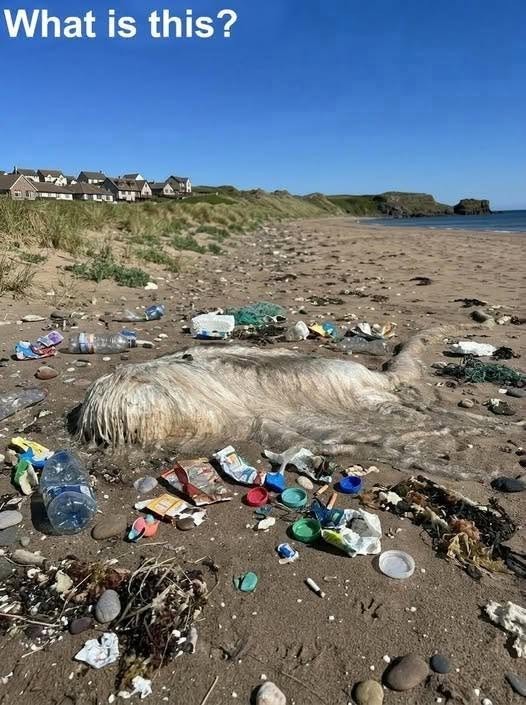
The Hidden Dangers of the Sea: A Close Encounter with a Roughtail Stingray
Introduction: An Unexpected Discovery on the Shore
The coastlines of the world are home to countless fascinating and mysterious creatures. For beachgoers, every trip to the shore offers the possibility of encountering something extraordinary. Yet, sometimes the ocean’s wonders come with hidden dangers. This article examines a personal experience with a roughtail stingray and explores the broader risks these and other marine animals pose, offering essential safety advice for anyone who enjoys the beach.
The Encounter: A Curious Find Turns Concerning
On a seemingly ordinary afternoon, what began as a leisurely walk along the shoreline became an unforgettable lesson in ocean safety. Spotting an unusual creature washed up on the sand instantly sparked curiosity. With a dog named Charlie sniffing the strange animal and the tail just inches away from bare legs, there was little awareness of the potential risk lurking in plain sight.
Seeking answers, a phone call was made to a local marine biologist. The expert quickly identified the enigmatic animal as a roughtail stingray—a species prevalent along the Atlantic coast of North America and notable for its powerful defensive adaptations.
Understanding the Roughtail Stingray: Anatomy and Defense Mechanism
Roughtail stingrays (Bathytoshia centroura) are among the largest stingrays found in the Atlantic Ocean, often reaching lengths of up to six feet. Recognized primarily by their distinctive tails adorned with venomous barbs, these rays inhabit coastal waters and sandy bottoms near shorelines.
The defining and most concerning feature of stingrays is the serrated barb, near the base of the tail, capable of delivering venom. Even after death, the barb and its associated toxins remain active for hours, posing a persistent threat to those who might handle or accidentally step on the animal.
Health Risks of Stingray Injuries
The venom of a roughtail stingray is designed as a deterrent against predators, but when injected into a human, it can cause severe symptoms. According to marine biologists and emergency medicine specialists, the most common effects of a sting include:
- Excruciating, immediate pain at the wound site
- Rapid swelling and redness
- Muscle cramps or spasms
- Nausea, vomiting, or dizziness
- Local tissue damage or infection if not treated properly
While most stingray injuries are not fatal, there are rare and dangerous complications—especially if the barb penetrates vital areas. The death of conservationist Steve Irwin in 2006, after a stingray barb pierced his heart, serves as a stark reminder of these potential hazards.
Common Beach Hazards: A Broader Perspective
Roughtail stingrays are just one example of hazardous marine life. Across the world’s beaches, several other creatures can pose risks to the unwary:
- Jellyfish: Many species release venom through stinging cells. Some, like the box jellyfish or Portuguese man o’ war, cause serious systemic reactions.
- Sea urchins: Their sharp spines can puncture the skin, sometimes introducing toxins or causing infections.
- Cone snails: Small but potentially deadly, cone snails inject potent neurotoxins through a harpoon-like tooth.
- Pufferfish: Their internal organs, and sometimes the flesh, contain tetrodotoxin, one of the most toxic natural substances known.
- Blue-ringed octopus: Found in Pacific and Indian Ocean waters, these small creatures deliver venom that can paralyze and even kill within minutes.
- Sea snakes: Though generally shy, their bites carry powerful neurotoxins.
Expert Advice: Safety Around Marine Animals
Marine biologists and ocean safety experts emphasize a simple but effective rule: never touch unfamiliar sea creatures, regardless of whether they appear dead or alive. Injuries often happen when people handle animals on the beach, step on camouflaged species buried in the sand, or attempt to rescue what seems like harmless wildlife.
- Keep Children and Pets Close: Always supervise young children and keep dogs on a leash near the waterline.
- Observe From a Distance: Take photos if desired, but keep at least several feet away from any unidentified marine life.
- Do Not Attempt to Move or Touch: Allow trained professionals to decide if removal is necessary.
- Report Rare or Dangerous Finds: Contact local beach authorities or lifeguards for proper assessment.
- Educate Yourself: Read beach safety warnings and illustrations, and be aware of common species in your region.
Case Studies: Incidents and Their Outcomes
Stingray incidents are not uncommon in popular beach areas, especially in warmer regions where people wade without looking. According to the Centers for Disease Control and Prevention (CDC), thousands of stingray injuries are reported globally each year. Most involve a foot or ankle, occurring as someone inadvertently steps on a buried ray. Prompt first aid, including immersing the wound in hot (not scalding) water, is crucial for pain relief and toxin breakdown. Medical care is important for deep, infected, or unusual wounds.
While fatalities are rare, they tend to result from stings to the chest, abdomen, or neck, where the barb can cause extensive trauma and introduce venom to critical organs.
Scientific Insights: The Role of Venom in Marine Ecosystems
The venom systems in animals like stingrays, jellyfish, and cone snails are evolutionary adaptations for survival. For stingrays, venom and sharp barbs deter predators such as sharks or large fish. For most human encounters, the best protection is simple caution and respect.
Recent studies in marine biology also suggest stingray venom contains bioactive compounds with potential for use in pain management and neurological therapies, highlighting the complex relationship between humans and ocean life.
Changing Habits: Personal Lessons and Public Education
For those who have experienced a close call, the memories linger as a powerful reminder to approach the shoreline with greater awareness. As in the case detailed at the start of this article, what initially felt like a benign curiosity soon revealed the need for vigilance. Keeping pets and children from approaching unknown sea creatures, taking photographs from a comfortable distance, and reporting suspicious finds to authorities are all prudent measures for responsible beachgoers.
Public education campaigns from lifeguard associations, marine research institutes, and public health departments have contributed significantly to raising awareness. Signs at beach entrances, community seminars, and school science programs all reinforce the message: respect the ocean and its inhabitants.
International and Societal Responses to Marine Hazards
Different countries have implemented strategies to help reduce marine life injuries:
- Australia: Broad public education on the dangers of jellyfish, sea snakes, and other threats, with emergency hotlines and immediate first aid at major beaches.
- United States: The National Oceanic and Atmospheric Administration (NOAA) and the CDC provide extensive resources on marine animal hazards, while local authorities post multilingual warnings during dangerous seasons.
- Europe: Mediterranean beaches, frequented by tourists, often display pictograms and distribute brochures educating visitors about local species and first aid procedures.
The emphasis across regions is on prevention, training, and collaboration between maritime authorities, healthcare providers, and the public.
Conclusion: Respect for the Ocean and Its Hidden Wonders
The ocean remains one of the most beautiful and enigmatic environments on Earth. Yet, its mysteries are occasionally accompanied by hidden risks. Encounters with creatures like the roughtail stingray are memorable, not just for their rarity but for the lessons they impart: a need for respect, caution, and curiosity balanced with care.
For those who walk the beach, the safest approach is to admire wildlife at a distance, remain informed about potential hazards, and take action when something seems unusual or dangerous. By sharing personal experiences and expert guidance, we can all enjoy the majesty of the ocean while minimizing risks to ourselves, our families, and our animal companions.
Every discovery along the shoreline deepens our appreciation of marine ecosystems—a meeting point of beauty, mystery, and extraordinary biological defenses that deserve our respect.
Sources
- BBC News
- Reuters
- Centers for Disease Control and Prevention (CDC)
- World Health Organization (WHO)
- The Guardian
- National Oceanic and Atmospheric Administration (NOAA)
Disclaimer: This content is intended for entertainment purposes only and is not based on real events.