

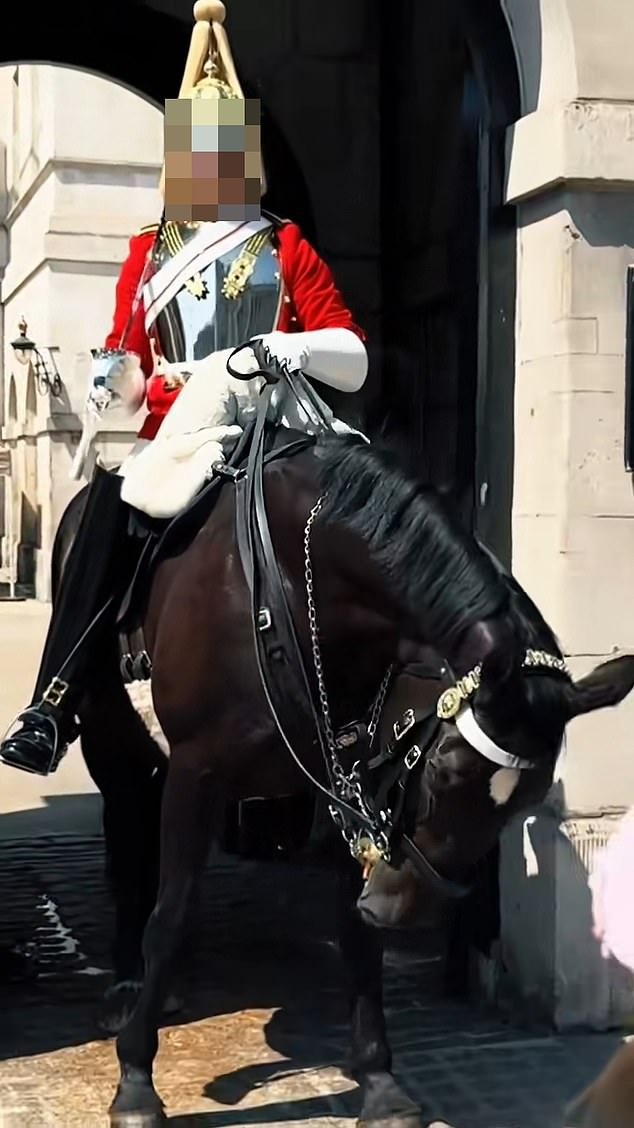
The King’s Guard is one of London’s most recognizable ceremonial traditions, attracting millions of visitors each year. Standing outside historic landmarks in their distinctive uniforms, the guards and their horses have become enduring symbols of British heritage.
Recently, a widely shared video showed a King’s Guard horse appearing to struggle during exceptionally hot weather in central London. The footage sparked conversations about balancing long-standing traditions with animal welfare, especially as heatwaves become more frequent across Europe.
While the incident naturally drew public attention, it also offers an opportunity to better understand how horses respond to extreme temperatures, the measures taken to protect working animals, and why responsible care remains a priority during periods of intense heat.
What Happened?
According to media reports, the incident occurred outside the Household Cavalry Museum in Whitehall during a period of unusually hot weather, with temperatures reaching around 30°C (86°F).
Video circulating online appeared to show a mounted King’s Guard horse becoming distressed while on ceremonial duty. The rider activated an emergency assistance button, after which another member of the Household Cavalry arrived to help.
The horse and rider were then escorted away from public view into a shaded area, where the animal could receive appropriate attention.
Although the footage prompted widespread discussion online, official details regarding the horse’s condition have been limited.
Why Heat Can Affect Horses
Like humans, horses regulate body temperature through several natural mechanisms.
They cool themselves by:
Sweating
Increasing blood flow to the skin
Breathing more rapidly
Seeking shade when possible
During hot and humid conditions, these cooling systems become less efficient, particularly if the horse is standing for extended periods or wearing ceremonial equipment.
Most horses tolerate warm weather well when properly managed, but prolonged exposure to heat requires careful monitoring.

Recognizing Heat Stress in Horses
Veterinarians identify several possible signs that a horse may be experiencing heat stress.
These may include:
Excessive sweating
Rapid breathing
Fatigue
Lowered head posture
Reduced alertness
Difficulty maintaining balance
Elevated heart rate
These signs are not unique to heat-related illness and should always be assessed by trained professionals.
Prompt attention helps reduce the likelihood of more serious complications.
The Role of Mounted Guards
The horses used by the Household Cavalry are highly trained working animals.
In addition to ceremonial responsibilities, these horses undergo extensive preparation that includes:
Fitness training
Behavioral conditioning
Regular veterinary care
Routine health monitoring
Exposure to busy urban environments
Their calm temperament and professional training enable them to perform duties safely in areas with large crowds and constant activity.
How Heatwaves Affect Animal Welfare
Heatwaves have become more common in many parts of Europe over recent years.
Periods of unusually high temperatures can affect both people and animals.
Working animals may require:
Additional rest periods
More frequent hydration
Access to shade
Close monitoring by handlers
Adjustments to work schedules
Animal welfare organizations encourage caretakers to modify routines whenever environmental conditions become unusually demanding.

Veterinary Care and Monitoring
Professional working horses typically receive ongoing veterinary supervision.
Routine care commonly includes:
Regular physical examinations
Hoof care
Dental care
Nutritional management
Fitness assessments
Hydration monitoring
During periods of elevated temperatures, handlers often increase observation for any early signs of overheating or fatigue.
Balancing Tradition and Animal Welfare
The recent incident prompted discussion about how historic traditions can continue while maintaining high welfare standards.
Many people expressed appreciation for the rapid assistance provided once the horse appeared uncomfortable.
Others questioned whether ceremonial routines should be adjusted during periods of extreme heat.
These conversations reflect a broader public interest in ensuring that cultural traditions continue alongside modern animal welfare practices.
How Horses Stay Cool
Horse owners and equine professionals commonly use several strategies to reduce heat stress.
These include:
Providing unlimited access to clean drinking water.
Allowing frequent rest breaks.
Using shaded areas whenever possible.
Scheduling exercise during cooler parts of the day.
Monitoring environmental conditions.
Cooling horses gradually after physical activity.
These practices are recommended across many equestrian disciplines.
Why Hydration Is Essential
Water plays a critical role in helping horses regulate body temperature.
Large horses may require substantially more water during hot weather than during cooler seasons.
Electrolyte balance also becomes increasingly important after prolonged sweating.
Veterinarians may recommend individualized hydration strategies depending on workload, age, and environmental conditions.
Climate Change and Working Animals
Scientists have reported that many regions are experiencing longer and more frequent periods of high temperatures.
These changing conditions are prompting organizations that care for working animals to continually review operational procedures.
Possible adaptations include:
Revised schedules
Additional cooling measures
Enhanced environmental monitoring
Flexible staffing
Updated welfare protocols
Many institutions regularly evaluate these measures as scientific understanding evolves.

Advice for Visitors
Tourists also play an important role in supporting animal welfare.
When visiting ceremonial sites, officials generally encourage visitors to:
Follow posted instructions.
Maintain appropriate distance from horses.
Avoid sudden movements.
Do not attempt to feed the animals.
Respect barriers and safety guidance.
Allow handlers sufficient space to work if assistance is needed.
Responsible visitor behavior contributes to a safer environment for both animals and the public.
The Importance of Professional Response
One reassuring aspect of the recent incident was the visible response from trained personnel.
Working animal programs typically include procedures for recognizing and responding to situations that require additional care.
Quick intervention, access to shade, and veterinary evaluation when necessary are important components of responsible animal management.
Looking Ahead
Historic ceremonies remain an important part of Britain’s cultural identity.
At the same time, advances in veterinary medicine and growing awareness of animal welfare continue to shape best practices for caring for working horses.
Rather than viewing tradition and welfare as competing priorities, many experts see them as complementary goals that can evolve together.
Conclusion
The recent assistance provided to a King’s Guard horse during London’s heatwave serves as a reminder that extreme weather affects both people and animals. While the incident prompted understandable public concern, it also highlighted the importance of trained handlers, established emergency procedures, and ongoing attention to animal welfare.
Scientific research continues to improve our understanding of how heat influences equine health, allowing caretakers to make informed decisions that protect working horses while preserving valued cultural traditions.
Human curiosity often draws us to iconic ceremonies, but the greatest appreciation comes from recognizing the dedication involved in caring for the animals that help make these traditions possible.
Sources
The British Horse Society. Guidance on caring for horses during hot weather.
World Organisation for Animal Health (WOAH). Animal welfare principles.
American Association of Equine Practitioners (AAEP). Heat stress and hydration recommendations for horses.
Royal Veterinary College (RVC). Equine health and welfare resources.
UK Met Office. Information on UK heatwaves and temperature trends.