

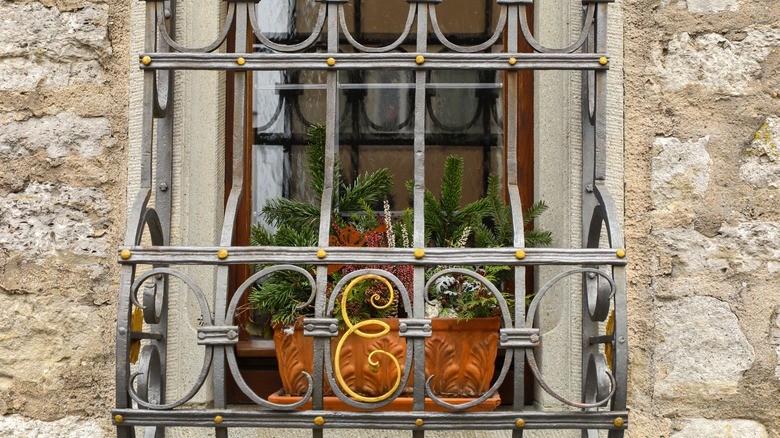
Curved Window Grills: Where Security, Strength, and Design Meet
Window grills have long been associated with practical concerns such as property protection, privacy, and defining the exterior appearance of a building. Although many people picture straight metal bars arranged in a simple grid, curved window grills offer a more expressive alternative. Arches, bowed sections, scrollwork, and gently projecting forms can turn a functional security feature into an important architectural detail.
These designs appear on many kinds of buildings, from traditional townhouses and heritage properties to contemporary homes seeking a distinctive facade. Their appeal lies in their ability to combine visual softness with the durability expected of metalwork. However, the performance of any window grill depends on more than its shape. Materials, connections, installation quality, local building rules, and safe emergency exit planning are all essential considerations.
Understanding the purpose and limitations of curved grills helps homeowners, designers, and renovators make informed choices. A well-designed installation can complement a home’s style while supporting security needs, maintaining daylight, and respecting safety requirements.
The Visual Appeal of Curved Window Grills

Curves introduce movement and character to a building exterior. While straight grills can create a clean, modern, or industrial appearance, curved designs often feel more decorative and architectural. A shallow outward bow may add depth to a flat facade, while an arched top can echo the shape of the window opening. More detailed forged-metal patterns can reference historical styles, regional traditions, or the craftsmanship of earlier periods.
For homeowners, this flexibility makes curved window grills useful as a design element rather than merely an afterthought. The pattern can be selected to complement railings, gates, balcony details, shutters, or exterior lighting. Finishes also influence the result. Matte black steel may suit a contemporary property, while painted wrought iron, bronze-toned coatings, or weathered finishes can work well with traditional architecture.

The visual effect is particularly noticeable on street-facing windows. Curved grills can frame a window and create a sense of depth without changing the building’s basic structure. In homes with limited outdoor space, a projecting curved grill may also provide a little additional room for window boxes, though any such use should be planned carefully so it does not obstruct access, drainage, or maintenance.
Do Curved Grills Improve Structural Strength?
The idea that curves can contribute to strength has a sound engineering basis, but it should not be overstated. In structural design, geometry affects how a component responds to loads. Arches and curved forms have been used for centuries because their shapes can guide forces through a structure efficiently, especially when they are designed for the specific loads and supported correctly.
In a window grill, a curved bar or frame may be stiffer in certain directions than a comparable straight, slender piece. A bowed form can also reduce the likelihood that a light impact is concentrated at one point. Yet a curved grill is not automatically stronger than a straight grill. Its actual resistance to force depends on several measurable factors: the type and thickness of metal, the diameter or profile of the bars, the spacing between members, weld quality, anchor bolts, the strength of the surrounding wall, and the way the unit is attached to the window opening.
For this reason, security should never be judged by decoration alone. Thin ornamental metal can be visually attractive but may not provide the same performance as a properly engineered steel system. Conversely, a simple straight-bar design can be highly durable when it uses suitable materials and secure fixings. A qualified fabricator or building professional can help assess which solution is appropriate for a particular property and local conditions.

Environmental conditions also matter. Homes in coastal areas may require materials and coatings designed to resist corrosion caused by salt-laden air. Areas exposed to heavy rain, humidity, or large temperature changes need finishes that protect metal from rust and deterioration. Regular inspection is important because corrosion around welds, screws, and wall anchors can gradually weaken an installation.
Security, Visibility, and Everyday Practicality
Window grills can provide a visible physical barrier that may discourage unauthorized entry. They are often considered for ground-floor windows, basement openings, side elevations, and properties that are vacant for part of the year. However, they work best as one part of a broader home-security plan rather than as a standalone solution.
Good exterior lighting, secure doors, functioning window locks, maintained landscaping, and appropriate alarm or monitoring systems can all contribute to a safer property. The most effective approach depends on the building layout, neighborhood, occupancy pattern, and local guidance. Homeowners should also consider whether grills may affect insurance requirements or whether permissions are needed in conservation areas, apartment buildings, or properties governed by homeowner associations.
Curved designs may offer a practical advantage where a small amount of space is useful between the glass and the grill. A shallow projection can make it easier to open certain window types or accommodate a removable insect screen. Nevertheless, the projection must be carefully measured. An overly deep grill can become inconvenient during cleaning, restrict a walkway, or conflict with shutters and exterior fittings.
Fire Safety and Emergency Escape Considerations

Any discussion of window security must include emergency egress. Fixed bars or grills can create a serious safety concern if they block a window that residents may need to use during an emergency. This is especially important in bedrooms, sleeping areas, basements, and rooms without a direct exterior door.
Building requirements vary by country, region, and property type, but fire-safety guidance commonly emphasizes that designated escape openings must remain usable. Where a window is required as an emergency exit, a grill may need a quick-release mechanism that can be opened from inside without a key, special knowledge, or excessive force. The release must remain accessible and operable, including for the people who live in the home.
Homeowners should not assume that a removable padlock or a hidden key meets safety expectations. In a stressful situation, time and visibility may be limited. Before installing any window grill, it is wise to consult local building and fire authorities, review applicable codes, and discuss the plan with a qualified installer. Every household should also have an emergency escape plan, know at least two ways out where possible, and practice the plan regularly.

Safety planning is not opposed to security design; it is part of responsible design. A carefully selected interior quick-release system, used only where permitted and installed correctly, can help balance the need for protection with the need for safe evacuation. The right solution will differ from one home to another, which is why local professional advice is valuable.
Traditional Craftsmanship and Cultural Identity
Curved metal grills are closely connected to decorative ironwork traditions found across the world. In many communities, windows, balconies, gates, and stair railings have historically served as canvases for skilled metalworkers. Floral motifs, geometric forms, scrolls, symmetrical arches, and regional patterns can express local identity while performing practical functions.
Historic buildings often demonstrate how ornamental ironwork contributes to a neighborhood’s visual character. In these settings, replacing an original grill with a generic modern product may change the appearance of the property and, in some cases, affect heritage requirements. Conservation professionals generally encourage repairs that retain significant original features where feasible. When replacement is necessary, custom fabrication can sometimes reproduce the scale, pattern, and finish of the original work while incorporating modern corrosion protection and safety considerations.
Traditional craftsmanship also has an economic and social dimension. Commissioning local metalworkers can support specialist skills that are difficult to preserve in an era of mass-produced building components. At the same time, custom work usually requires more planning, a clear specification, and a realistic budget. Homeowners should request drawings, confirm materials and finish systems, and ask how the grill will be anchored and maintained.
Choosing Materials for Curved Window Grills
Steel is widely used for window grills because it is strong, adaptable, and suitable for welding and shaping. Mild steel can be formed into many decorative patterns, but it needs an effective protective finish to reduce corrosion. Galvanizing and powder coating are common options, although the best system depends on the environment and the intended appearance.
Wrought iron is often used as a descriptive term for decorative ironwork, but genuine traditional wrought iron is relatively uncommon in modern construction. Many products marketed as wrought iron are fabricated from steel. This does not necessarily reduce quality; what matters is that the fabricator clearly identifies the material, fabrication method, coating, and maintenance requirements.
Stainless steel can provide strong corrosion resistance and a more contemporary appearance, although its cost may be higher. Aluminum is lightweight and naturally corrosion resistant, but it has different strength characteristics from steel and may not suit every security application. A professional can advise on the correct material and section size for the desired design, exposure level, and performance needs.
Installation Quality Matters as Much as Design

A well-made grill can perform poorly if it is installed incorrectly. The connection between the grill and the building is often one of the most important parts of the system. Anchors must be suitable for the wall construction, whether it is brick, concrete, blockwork, stone, timber framing, or another material. Fixings should be positioned to avoid damaging weak masonry or interfering with utilities and window operation.
Professional installation also helps ensure that grills are level, stable, and positioned without creating water traps. Proper drainage and a suitable gap from the window frame can reduce the risk of moisture-related damage. If the grill includes an opening section or emergency release, it should be tested after installation and checked periodically.
Maintenance is generally straightforward but should not be ignored. Owners can inspect for chipped paint, rust, loose fasteners, cracks near welds, and difficulty operating any hinges or release mechanisms. Prompt touch-ups and repairs may extend the service life of the metalwork and preserve its appearance.
Curved Window Grills in Modern Home Design
Modern architecture often favors clean lines, large glazing areas, and minimal ornament, but this does not exclude curved window grills. Contemporary versions may use restrained arcs, slim profiles, repeating vertical elements, or geometric patterns that feel current rather than historic. In renovation projects, a simple curved grill can bridge older and newer parts of a home, adding texture without overwhelming the facade.
The most successful designs consider the whole building. Window proportions, wall color, roofline, gate design, and the visual rhythm of nearby openings all influence whether a grill looks integrated. A design that is too dense can reduce daylight and make a room feel enclosed, while a design that is too delicate may not meet the owner’s functional goals. Viewing a scaled drawing or digital mock-up before fabrication can prevent costly changes later.
Curved window grills remain relevant because they answer several needs at once: they can enhance exterior character, provide a visible layer of protection, and connect contemporary homes with enduring traditions of metalwork. Their value is greatest when beauty is paired with sound engineering, correct installation, and thoughtful fire-safety planning.
Conclusion
Curved window grills are more than decorative alternatives to straight bars. They reflect the meeting point of architecture, craftsmanship, materials science, and home safety. Their curved forms can add depth and individuality to a property, while carefully selected materials and secure connections can support long-term durability.
Still, no grill should be chosen solely for its appearance. Homeowners should evaluate local building rules, emergency escape requirements, corrosion exposure, installation methods, and maintenance needs before making a decision. By working with qualified fabricators and consulting local authorities where necessary, property owners can select curved window grills that are attractive, practical, and appropriate for the people who use the building every day.
Sources
Disclaimer: This content is intended for entertainment purposes only and is not based on real events.