

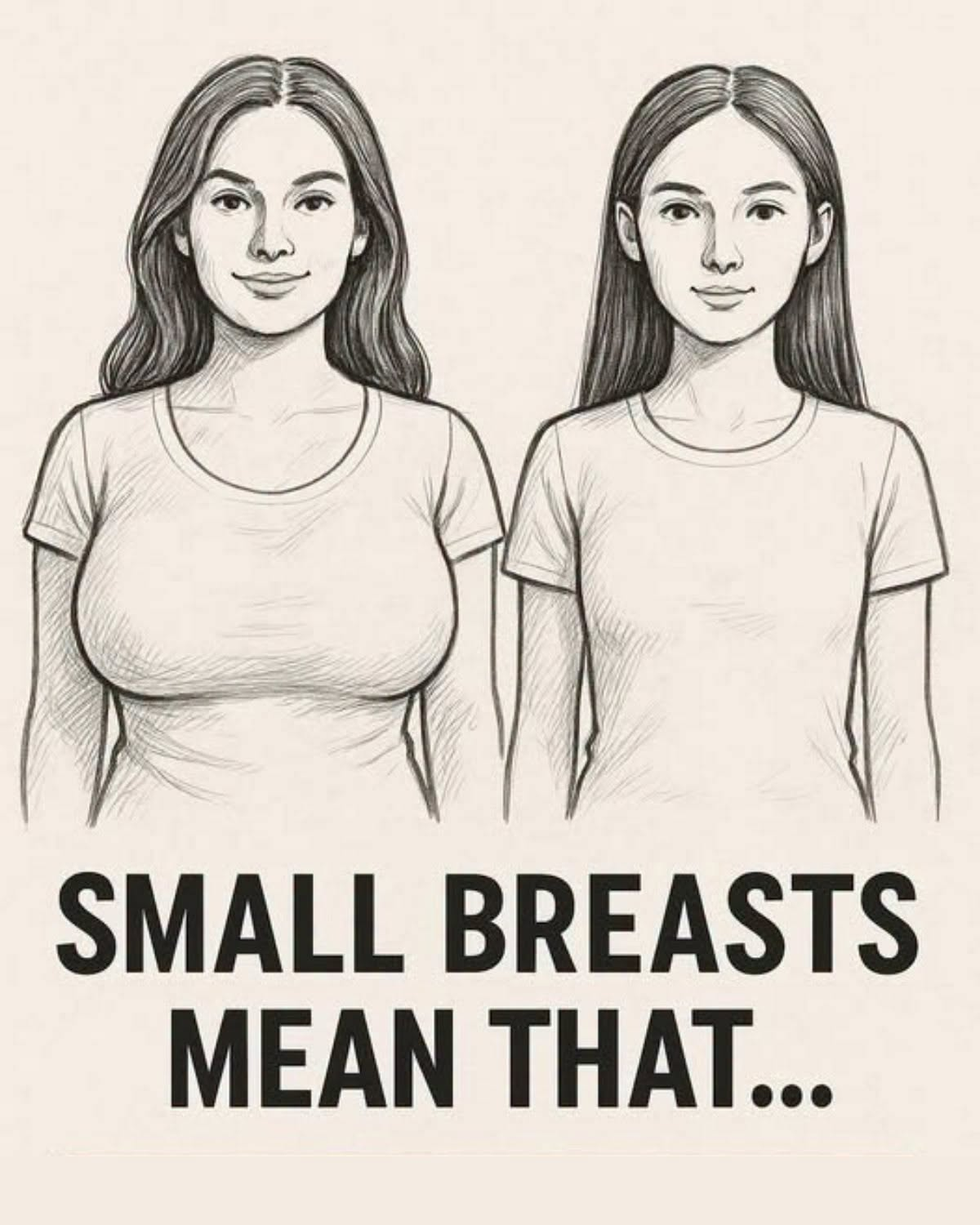
The Shocking Myth About Breast Size and Hormones That Every Woman Has Gotten Completely Wrong
Across cultures and generations, women have often encountered misconceptions regarding breast size and its supposed connection to hormone health and fertility. Many individuals worry that their body’s shape might signal underlying health issues, leading to unnecessary anxiety and self-doubt. This belief, however, is rooted not in scientific evidence but in misunderstanding. To address these concerns, this article examines the origins of these myths, explores the actual factors that determine breast tissue development, and presents the expert consensus on what breast size truly means for women’s health.
Origins of the Myth: Why Appearance Was Mistaken for Evidence
The notion that breast size is a key indicator of hormonal balance dates back centuries, influenced by social norms, media portrayals, and folklore. Throughout history, larger breasts were sometimes considered a sign of fertility or vitality, while smaller breasts were wrongly assumed to suggest hormonal issues or infertility. This persistent myth has been compounded by misleading advertising, anecdotal stories, and pseudo-medical advice—none of which are grounded in reputable scientific research.
In modern times, popular culture continues to amplify these misconceptions, portraying certain breast sizes as more desirable or healthier. The rise of social media has further intensified body image concerns, with many women seeking validation or medical explanations for their physical appearance.
The Science Behind Breast Development
Breast tissue develops primarily as a response to hormonal changes during puberty. According to the Mayo Clinic and the World Health Organization (WHO), estrogen—a hormone produced mainly by the ovaries—is responsible for stimulating the growth of breast tissue. However, the extent of breast development depends on multiple factors:
- Genetics: The most significant determinant of breast size is genetic inheritance. The size, shape, and density of breast tissue are influenced by the genes passed from parents to their children, just as with height and body frame.
- Body Weight: Because breasts are composed of both glandular tissue and fat, changes in body weight can affect breast size. Weight loss often leads to decreased breast size, while weight gain increases it.
- Hormonal Fluctuations: Hormone levels fluctuate throughout life, notably during puberty, pregnancy, breastfeeding, menstruation, and menopause. These changes can temporarily affect breast size, often causing swelling or tenderness.
- Age: Over time, breast tissue tends to lose its firmness and density, a natural process linked to hormonal changes associated with aging.
Importantly, there is no scientific evidence supporting the idea that breast size correlates reliably with overall hormone levels or fertility.
Expert Views: What Medical Authorities Say
Leading health organizations and medical professionals overwhelmingly agree that breast size should not be used as a proxy for hormone health or reproductive potential. The American College of Obstetricians and Gynecologists (ACOG), the CDC, and experts at Harvard Medical School all emphasize that hormonal issues manifest through a variety of symptoms unrelated to breast size, such as changes in menstrual patterns, skin health, or mood.
Dr. Susan Brown, a practicing endocrinologist, notes: “We frequently see patients anxious about their breast size, but the truth is, there’s no diagnostic value in breast size alone. If you’re concerned about hormonal balance or fertility, focus on overall health and look for signs recommended by your physician.”
Instead, medical professionals urge women to monitor for medically significant symptoms, such as irregular menstruation, hot flashes, or unexplained fatigue. They also encourage regular health screenings, including mammograms and breast cancer checks, as part of routine preventive care.
Psychological Impact and Body Image Concerns
The pressure to conform to societal beauty standards can exert a profound effect on mental health, leading to anxiety, depressive symptoms, or body dysmorphia. The myth connecting breast size to hormone health or fertility is particularly damaging because it ties physical appearance to self-worth.
Research published in journals such as Psychology Today and the British Medical Journal underscores that body image issues are among the most common sources of distress for women globally. Professional counseling and peer support have been shown to help women navigate these pressures and focus on health—rather than aesthetics.
Initiatives across healthcare systems aim to educate both patients and the public about the importance of self-acceptance and body positivity. Educational programs combat misinformation by promoting scientifically accurate understanding of biology and health.
Cultural Perspectives: Diverse Views Across Societies
Attitudes toward breast size vary markedly worldwide. In some cultures, small breasts are considered preferable, while in others, larger breasts are prized. These cultural norms often influence perceptions of health and fertility, but are rarely based on medical facts.
International media, fashion, and advertising contribute to these perceptions, impacting self-image and sometimes prompting women to seek cosmetic surgery or supplements—often with no proven effect. Health authorities warn against unnecessary medical interventions rooted in societal pressures rather than actual health needs.
Understanding Hormone Health: What Really Matters
Healthy hormone function involves complex interactions between the endocrine glands, including not just estrogen but also progesterone, testosterone, and others. Signs of hormonal imbalance can include:
- Irregular periods
- Unexpected weight changes
- Persistent fatigue
- Changes in skin texture
- Mood swings
- Loss of libido
Medical tests, such as blood hormone panels, are necessary to verify any concerns about hormone levels. Physicians emphasize that proper assessment requires consideration of lifestyle factors, medical history, and detailed clinical evaluation—not simply physical appearance.
Fertility depends on many factors, including age, ovulation, and reproductive health, but breast size does not play a role. Fertility clinics and gynecologists confirm this view, focusing instead on ovulatory function, uterine health, and other critical aspects.
The Role of Media and Education in Addressing Misconceptions
Efforts to counteract pervasive myths about breast size include public health campaigns, school education programs, and responsible media reporting. Trusted health outlets such as the BBC, The Guardian, and Reuters regularly publish articles clarifying that breast size is not a medical predictor of hormone disorders or fertility.
Health professionals encourage open dialogue, so women feel comfortable discussing their bodies and health concerns without fear of stigma or judgment. Programs fostering body positivity and self-esteem have demonstrated benefits in mental health and overall wellbeing.
What To Do If Concerned About Hormonal Issues
If women are concerned about hormone health, consulting a qualified healthcare provider is recommended. Diagnosis and treatment should be based on comprehensive medical evaluation rather than self-assessment or anecdotal advice. Regular check-ups, a balanced diet, exercise, and stress management all contribute to hormone balance and overall health.
For breast health, routine self-exams, mammograms as recommended, and attention to any unusual changes—such as lumps or skin alterations—are the standard advice from the CDC and WHO.
Conclusion: Judging Health Beyond Appearance
In summary, breast size is determined by a mix of genetic, hormonal, and lifestyle factors, with no reliable link to hormone health or fertility. Judging health by appearance is not only inaccurate but potentially harmful to self-esteem and mental health. Experts urge women to focus on holistic wellbeing and to seek medical advice for any health concerns. The myth connecting breast size to hormone disorders is just that—a myth, with no foundation in science. Greater awareness, education, and supportive healthcare environments are key to promoting healthy attitudes toward body image and hormone health.
Disclaimer: This content is intended for entertainment purposes only and is not based on real events.