

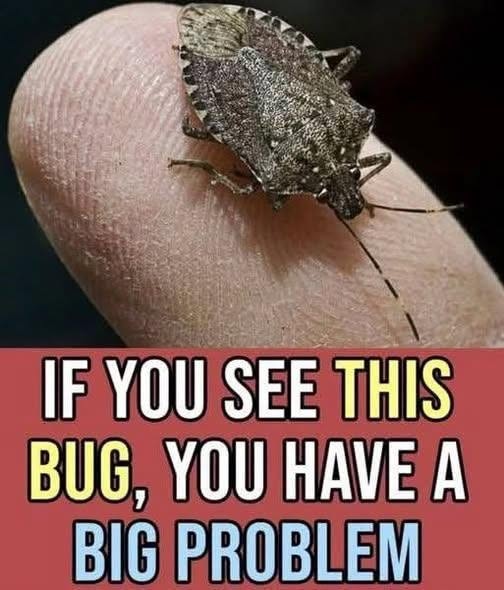
How to Keep Stink Bugs Out of Your Home With Peppermint Spray
Stink bugs can be an unwelcome household nuisance, particularly when they gather around windows, doors, curtains, light fixtures, and ceilings. While these insects are not generally dangerous to people or homes, their presence indoors can be frustrating. Their name comes from the defensive odor they may release when they are disturbed, handled, or crushed.
In many parts of the United States and other regions, stink bug activity around homes increases during late summer and autumn. As outdoor temperatures drop, the insects search for protected places where they can shelter through winter. Houses, garages, sheds, attics, and other buildings offer warmth and countless small spaces in which stink bugs can hide.
A homemade peppermint spray is often discussed as a possible way to make entry areas less appealing to insects. However, it is important to approach this method realistically. Peppermint oil may have some repellent properties in certain situations, but it is not a guaranteed or fully proven solution for preventing stink bugs from entering a building. The most dependable approach is to combine careful home maintenance, exclusion methods, monitoring, and gentle removal techniques.
Why Stink Bugs Enter Homes
The stink bugs commonly noticed indoors are often brown marmorated stink bugs, an invasive species in the United States that was first identified in Pennsylvania in the late 1990s. These shield-shaped insects are known agricultural pests because they can feed on fruits, vegetables, ornamental plants, and other crops. They may also become a seasonal nuisance when they move into buildings to overwinter.
Stink bugs do not usually enter homes because they are looking for food or because a home is unclean. Instead, they are seeking protected shelter from cold weather. Once inside a wall void, attic, crawl space, or other quiet area, they often remain hidden for long periods. On warmer winter or early spring days, they may emerge and become visible indoors as they respond to heat and light.
Common entry points include cracks around window frames, gaps beneath exterior doors, damaged screens, utility openings, loose siding, attic vents, chimney areas, and openings around pipes or cables. Even very small gaps can provide access. Homes with numerous exterior cracks, worn weatherstripping, or poorly fitted screens may be more vulnerable to seasonal insect entry.
Can Peppermint Spray Repel Stink Bugs?
Peppermint essential oil is widely used in household cleaning and natural pest-control discussions because its strong scent may discourage some insects in limited settings. A diluted peppermint spray can be used around likely entry points as an additional household measure, especially if residents prefer to avoid routine use of conventional insecticide sprays indoors.
Still, homeowners should not treat peppermint oil as a scientifically guaranteed barrier. Research on essential oils and household pests varies by insect species, oil concentration, application method, and environmental conditions. A scent that seems unpleasant to an insect may fade quickly, and an insect may still enter if a physical opening remains available.
For that reason, peppermint spray is best viewed as a supplementary deterrent rather than a primary control strategy. Sealing access points is generally more reliable because it addresses the reason insects can enter in the first place. A well-maintained physical barrier does not depend on scent, repeated application, or changing weather conditions.
How to Make a Diluted Peppermint Spray
If you choose to try a peppermint spray, use a diluted mixture and apply it carefully. A simple household recipe may include the following ingredients:
- Two cups of water
- 10 to 15 drops of peppermint essential oil
- A small amount of mild liquid dish soap
- A clean spray bottle
Add the water to the spray bottle, then add the peppermint oil and a small amount of dish soap. The soap can help disperse the oil in the water, although the mixture may still separate over time. Shake the bottle gently before each use.
Apply a light mist around areas where stink bugs may enter, including exterior window frames, door frames, screens, garage entrances, and visible gaps around utility lines. Do not soak the surface. Excess moisture may damage wood, paint, fabrics, or finishes, particularly if the mixture is used repeatedly in the same place.
Before spraying a larger area, test the mixture on a small, inconspicuous section of the material. Essential oils and soap solutions can affect certain painted surfaces, varnishes, plastics, fabrics, and sealants. Avoid spraying electrical equipment, outlets, food-preparation surfaces, or areas where the spray could contact food.
Safety Considerations for Children and Pets
Natural does not automatically mean risk-free. Essential oils are concentrated products, and they should be stored securely and used with care. Peppermint oil may irritate the eyes, skin, or respiratory system in some people, especially when used in a concentrated form or in poorly ventilated spaces.
Pet owners should be particularly cautious. Cats, dogs, birds, and small animals can react differently to scented products and essential oils. Cats may be especially sensitive to some compounds found in essential oils. Keep pets away from freshly treated areas, avoid spraying near pet bedding, food bowls, litter boxes, cages, aquariums, or toys, and never apply essential oils directly to an animal unless a qualified veterinarian has specifically advised it.
If a child or pet appears unwell after exposure to an essential oil product, contact a medical professional, veterinarian, or poison-control service promptly. It is also sensible to keep homemade sprays clearly labeled so they are not mistaken for cleaning products, beverages, or room fragrances.
The Most Effective Way to Prevent Stink Bugs Indoors
Exclusion is widely regarded as the most effective long-term strategy for reducing stink bug problems in homes. Exclusion means preventing insects from finding a route inside. This approach can also help limit entry by other seasonal pests, including lady beetles, boxelder bugs, and some spiders.
Begin by inspecting the exterior of the home during daylight hours. Look closely at windows, doors, siding, roof lines, vents, screens, and utility penetrations. Pay attention to areas where different building materials meet, such as where siding meets brick, trim, foundations, or window frames.
Useful preventive steps may include:
- Sealing visible cracks and crevices with an appropriate exterior caulk.
- Replacing damaged or missing weatherstripping around doors and windows.
- Installing door sweeps to close gaps beneath exterior doors.
- Repairing holes in window screens, door screens, and vent screens.
- Checking that attic, crawl-space, and foundation vents are properly screened.
- Sealing openings around pipes, cables, air-conditioning lines, and other utility connections.
- Repairing loose siding, trim, or other exterior materials that create sheltering spaces.
Timing also matters. Completing exterior repairs before autumn can reduce the number of stink bugs that find a winter shelter indoors. Because these insects may already be hidden inside walls or attics before gaps are sealed, homeowners may continue seeing a few indoors for some time. This does not necessarily mean the repairs failed; it may simply reflect insects that entered earlier.
How to Remove Stink Bugs Without Crushing Them
When stink bugs appear indoors, it is usually best to avoid crushing them. Crushing can release their defensive odor and may leave a residue on some surfaces. Instead, use a simple mechanical removal method.
A cup and a piece of stiff paper can be enough for a single insect. Carefully place the cup over the stink bug, slide the paper underneath, and carry the insect outside. Another practical option is to use a vacuum cleaner with a disposable bag or collection chamber. If using a vacuum, empty or dispose of the contents promptly according to the manufacturer’s instructions, as odor can linger.
Sticky traps placed near windows may catch some wandering insects, but they should be positioned thoughtfully. Keep them away from children and pets, and be aware that adhesive traps can unintentionally catch non-target insects. They are better used as a monitoring tool than as the main form of control.
Indoor insecticide sprays are often unnecessary for occasional stink bugs. Insecticides may not prevent additional insects from entering through gaps, and improper use can create unwanted exposure in living spaces. For a persistent or unusually large infestation, a licensed pest-management professional can assess the building and recommend an appropriate plan.
Outdoor Maintenance Can Reduce Seasonal Problems
Exterior maintenance can make a meaningful difference in managing stink bugs. Keep vegetation trimmed away from siding and windows where possible, and remove clutter that creates sheltered resting areas near the home. Check outdoor lighting, as insects may gather around illuminated entryways and windows at night.
Homeowners can also inspect outdoor furniture, stored boxes, firewood, gardening supplies, and vehicles before bringing them indoors. Stink bugs may rest on these items and accidentally enter the home when they are moved inside. This is especially common during autumn, when insects are actively seeking protected sites.
For gardeners and growers, stink bugs can be more than an indoor annoyance. Brown marmorated stink bugs have been documented as pests of crops including apples, peaches, tomatoes, peppers, corn, and some ornamental plants. Agricultural management may require different tools and professional advice than household prevention. Local cooperative extension offices can provide region-specific guidance for gardens, farms, and commercial properties.
When to Seek Professional Pest-Control Advice
A few stink bugs indoors during the cooler months are usually manageable with exclusion and removal. However, professional advice may be helpful if large numbers repeatedly appear, if the source of entry cannot be identified, or if the building has hard-to-reach gaps around roofing, siding, vents, or utility systems.
A qualified pest-management professional can inspect the structure, identify likely access points, and explain available options. Effective service should focus on prevention and integrated pest management rather than relying only on repeated chemical treatments. Integrated pest management emphasizes inspection, exclusion, sanitation, monitoring, and targeted interventions when necessary.
Final Thoughts on Peppermint Spray and Stink Bug Prevention
A diluted peppermint spray may be a reasonable optional addition to a broader stink bug prevention routine, provided it is used cautiously around surfaces, children, and pets. Its scent may help make some locations less attractive to insects, but it should not replace practical repairs or be presented as a guaranteed solution.
The most reliable way to reduce stink bugs in the home is to block their access. Repair screens, seal cracks, maintain door sweeps and weatherstripping, and inspect exterior openings before cool weather arrives. If stink bugs do get indoors, remove them gently instead of crushing them. Combining these simple measures can help create a more comfortable home while limiting unnecessary pesticide use.
Sources
Disclaimer: This content is intended for entertainment purposes only and is not based on real events.