

The Meaning and Significance of Seeing a Lizard in the House
Encountering a lizard quietly navigating the walls or ceilings of a home is an experience that often provokes surprise, curiosity, or in some cases, unease. For many homeowners, the presence of house lizards—especially small geckos—invites questions about their symbolism as well as practical concerns about their presence indoors. From ancient beliefs rooted in folklore to modern understandings supported by science, the sight of a house lizard carries various interpretations and implications across cultures. In this comprehensive article, we delve into the unique significance, ecological roles, and advice from experts on managing house lizards, offering a complete, factual, and nuanced perspective on the topic.
House Lizards: Natural Pest Controllers
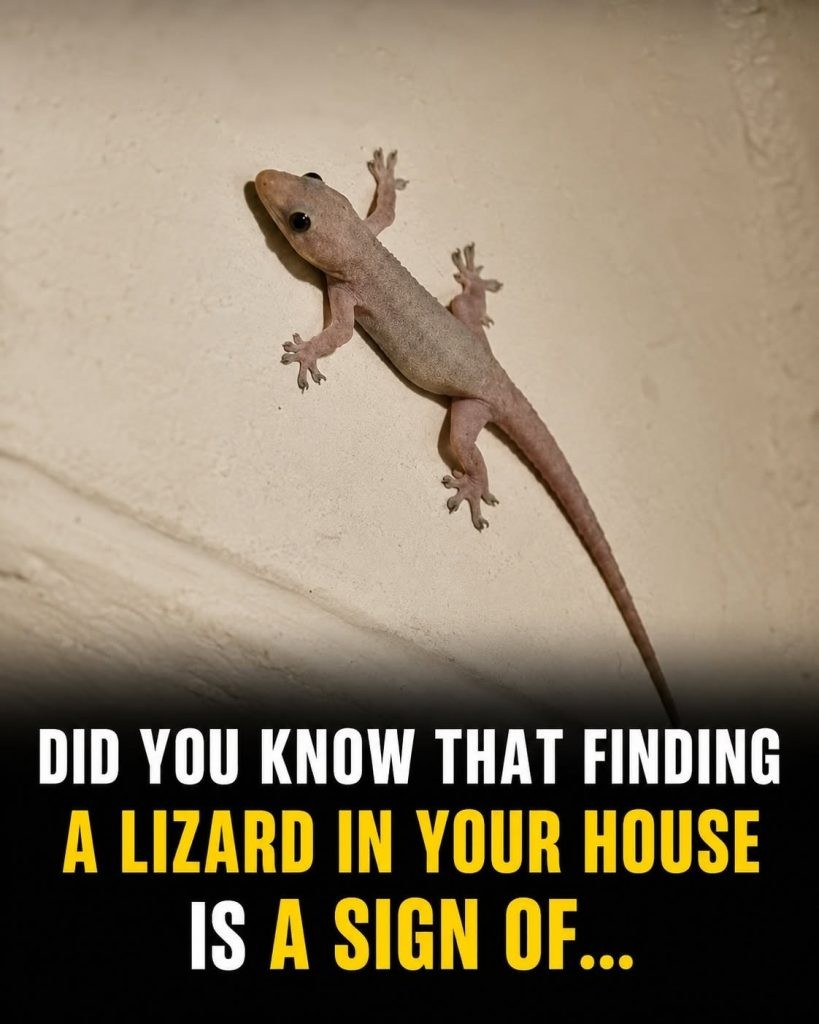
The most straightforward explanation for seeing a lizard inside your house is eminently practical. House geckos, commonly observed in warm, humid climates, are attracted to indoor environments where food is abundant. Their diet predominantly comprises insects such as mosquitoes, flies, moths, and ants. These insects are naturally drawn towards artificial lighting, open windows, and accessible sources of water, inadvertently creating a welcoming habitat for lizards seeking nourishment.
According to ecological studies, house lizards play an essential role in managing the population of household pests. Unlike chemical insecticides, which can have negative side effects for both human health and the environment, the insect-eating habits of lizards offer a natural and sustainable form of pest control. In many ecosystems, the presence of geckos helps to maintain a balanced indoor environment, reducing the number of bugs that may otherwise spread disease or cause discomfort to residents.
Cultural Interpretations: Symbolism and Superstitions
Beyond their practical benefits, house lizards also occupy a fascinating position in the myths, beliefs, and superstitions of diverse cultures. The symbolic meaning attached to a lizard’s appearance in the home varies widely, shaped by local traditions, religious teachings, and generational folklore.
Luck and Prosperity
In many Asian and African societies, a lizard’s presence is interpreted as a sign of good fortune. For instance, in Hindu culture, house lizards are sometimes seen as harbingers of prosperity. Some Indian traditions believe that where a lizard lands on a person or moves within the home can predict positive life changes or impending luck. Similarly, in certain regions of Africa and the Middle East, lizards are regarded as protectors, warding off evil spirits and misfortune.
Warnings and Omens
Conversely, other interpretations cast lizards in a more ambiguous or even cautionary light. In some Southeast Asian folklore, the sounds made by a house gecko—such as distinctive clicking or chattering—are thought to foretell the arrival of guests, important news, or significant events. In ancient Roman and Greek traditions, lizards occasionally appeared as omens sent by the gods, their presence carrying messages whose significance depended on the circumstances of the sighting.
Scientific Perspective on Symbolism
While these beliefs have been passed down for generations and continue to shape attitudes in many communities, it is important to recognize that there is no scientific evidence linking the appearance of lizards to supernatural events or future outcomes. Cultural interpretations are influenced by regional stories, social values, and oral traditions rather than empirical scientific research.
Ecological Value and Conservation
Lizards perform an essential ecological function within both indoor and outdoor environments. As insectivores, they help regulate populations of potentially harmful insects. In urban areas, where insect pests like mosquitoes can contribute to the spread of vector-borne diseases, these reptiles play an important role in maintaining household hygiene and health.
Although house geckos are considered common and not threatened on a global scale, their ecological benefits highlight the need for an informed and balanced approach to coexisting with wildlife. Encouraging an environment where natural predators like lizards can thrive may be a more effective and sustainable method of pest control than widespread pesticide use, which can have lasting impacts on human and environmental health.
Expert Guidelines: Managing Lizards in the Home
Despite their general harmlessness and benefits, some residents may wish to minimize lizard presence indoors for reasons ranging from personal discomfort to cultural preferences. According to entomologists and pest control specialists, there are several non-toxic and humane methods to discourage lizards from taking up residence inside houses:
- Reduce Insect Attraction: Since house lizards feed on insects, reducing their primary food source naturally lowers the likelihood of lizards appearing indoors. Regular cleaning, proper food storage, and prompt disposal of garbage help minimize insect populations.
- Seal Entry Points: Lizards can squeeze through small cracks, gaps around doors and windows, and vents. Sealing these entry points with weather stripping or caulk lessens the possibility of intrusions.
- Eliminate Standing Water: Sources of stagnant water not only attract insects but also offer lizards places to drink. Fixing leaks and avoiding stationary water inside and around the home can deter pests in general.
- Limit Outdoor Lighting: Exterior lights, especially those left on at night, attract insects and, consequently, the lizards that feed on them. Use motion-sensor lights or turn off unnecessary lights during nighttime hours.
- Natural Repellents: Some sources suggest the use of safe, natural deterrents such as eggshells or garlic near entry points. Although their efficacy is subject to debate, these remedies are non-toxic and may serve as gentle deterrents without causing harm.
Crucially, there is no need for harsh chemical treatments or potentially harmful traps when managing lizard populations indoors. Because these animals are neither aggressive nor carriers of significant diseases to humans, their presence is usually more beneficial than detrimental from both a health and ecological standpoint.
International Perspectives and Societal Attitudes
The way societies perceive house lizards is shaped by local history, religious beliefs, and modern attitudes towards wildlife. In countries with strong traditions of animism or ancestral worship, lizards might be revered as spiritual messengers or reincarnations of ancestors. In Mediterranean Europe, ancient associations with regeneration and resurrection—owing to a lizard’s ability to regrow its tail—continue to color local legends and household customs.
On the other hand, in some Western contexts where wildlife is seen as best restricted to the outdoors, the sight of a lizard inside might spark an immediate impulse to remove it. Media, education, and conservation efforts have played a significant role in shifting perceptions from fear or suspicion toward a more informed appreciation of the positive ecological roles lizards play in homes and gardens.
Health and Safety: Scientific Insights
Concerns about health risks from lizards in the house are generally unfounded. Most species of house geckos are non-venomous and pose no direct threat to humans. In very rare cases, they may carry salmonella on their skin or in feces, but the risk of transmission is extremely low compared to other household pests. Practicing routine hygiene, such as washing hands after cleaning or removing lizard droppings, is sufficient to mitigate any minimal risk.
It is important for residents to distinguish house lizards from harmful reptiles, such as poisonous snakes, and to avoid unnecessary alarm. Educating household members about the harmless nature and beneficial roles of lizards helps promote coexistence with these unobtrusive visitors.
Conclusion: Coexistence and Responsible Living
The sight of a lizard inside the house holds layers of meaning that span the practical, the ecological, and the symbolic. For some, it is a reminder of lucky traditions and ancient customs; for others, a sign that the household is balanced and free from excess insect pests. From an objective standpoint, house lizards should be appreciated for their contributions to pest control and indoor ecological health.
For those who prefer not to share their spaces with these creatures, practical steps can be taken to humanely discourage their entry without resorting to harmful measures. Ultimately, fostering an informed and respectful perspective towards lizards not only enriches our understanding of the natural world but also encourages healthy, balanced living environments for people and wildlife alike.
Sources
- BBC: Geckos, the Masters of Stick
- The Guardian: How House Geckos Help Control Pests
- National Geographic: Gecko Facts
- CDC: Reptiles and Amphibians – Healthy Pets
- Reuters: Lizards in Urban Spaces
Disclaimer: This content is intended for entertainment purposes only and is not based on real events.