


The Science of Leg Structure, Mobility, and Well-Being
For generations, people have looked for outward clues that might explain identity, health, confidence, or personality. Eyes, facial expressions, posture, and body language are frequently discussed in popular culture. Legs are also often judged through the lens of appearance, fashion, or social trends. Yet the most meaningful story legs tell is not about personality or beauty standards. It is about anatomy, movement, daily activity, and the remarkable ways the body adapts over time.
Leg shape, muscle definition, flexibility, and walking style can vary widely from one person to another. These differences are usually influenced by a combination of genetics, age, physical activity, occupation, footwear, past injuries, and health conditions. Understanding this complexity can help people move away from unrealistic comparisons and toward a more practical appreciation of lower-body health.
Healthy legs are essential to independence and quality of life. They support standing, walking, climbing stairs, changing direction, maintaining balance, and participating in work, exercise, family life, and recreation. Rather than treating legs as a feature to evaluate against temporary trends, it is more useful to view them as a sophisticated system that helps people engage with the world every day.
The Science Behind Leg Structure
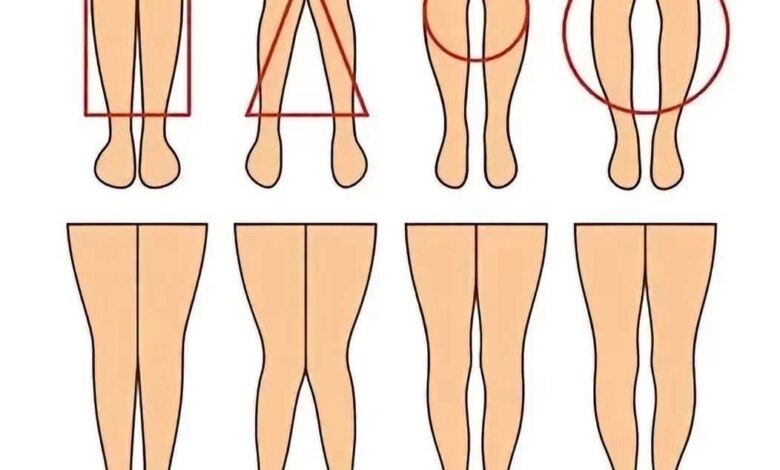
Every person has a unique skeletal framework. The bones of the lower body, including the pelvis, femur, tibia, fibula, ankle bones, and bones of the feet, work with joints, ligaments, tendons, muscles, nerves, and blood vessels to create stable and efficient movement. Genetics play an important role in bone length, joint alignment, muscle distribution, and overall body proportions.
Because of this natural variation, there is no single “ideal” leg shape. Some people have longer or shorter limbs relative to their torso, wider or narrower hips, more visible calf muscles, or different patterns of muscle development. Many of these characteristics are normal expressions of human biological diversity rather than signs that something is wrong.
Muscles can respond to training and activity, but the basic structure of bones and joints is largely inherited. For example, regular cycling, running, climbing, or resistance training may increase the strength and size of muscles in the thighs, hips, and calves. At the same time, no exercise routine can completely change an individual’s underlying bone structure. This distinction is important in an era when edited images and short-form fitness content can create unrealistic expectations about rapid body transformation.
Health professionals generally focus less on whether legs look a certain way and more on whether they function well. Comfortable movement, stable joints, sufficient strength, and the ability to complete daily tasks are more useful indicators of physical capability than appearance alone.
How Daily Habits Influence Leg Health
Genetics establish a foundation, but everyday life influences how the lower body functions across months and years. Walking routines, jobs that require standing, time spent sitting, sports participation, sleep, recovery, and footwear choices can all affect muscle endurance, flexibility, balance, and comfort.
People who regularly walk, use stairs, garden, dance, cycle, or participate in sports may develop different movement patterns and muscle conditioning from people whose work involves long periods at a desk. Neither lifestyle automatically defines health, but prolonged inactivity can contribute to reduced muscle strength and stiffness. Adding regular movement breaks to sedentary days can support circulation, joint mobility, and energy levels.
Footwear can also influence comfort and movement. Shoes that fit well and are appropriate for a person’s activity can help support the feet and reduce unnecessary discomfort. The best choice depends on individual needs, the activity being performed, and any advice provided by a qualified healthcare professional. There is no one shoe style that is right for every person or every situation.
Surfaces matter as well. Walking on sidewalks, trails, stairs, uneven ground, or treadmills requires slightly different adjustments from the feet, ankles, knees, hips, and core. The body is continually processing sensory information and making small corrections to maintain balance. These adaptations demonstrate how responsive the human movement system can be.
What Walking Style Can Reveal About Mobility
Walking may appear simple, but it is a highly coordinated task. Each step requires communication among the brain, spinal cord, nerves, muscles, joints, vision, and inner-ear balance systems. The hips, knees, ankles, and feet must move in sequence while the upper body adjusts to keep the center of mass stable.
Healthcare professionals may observe a person’s gait, or walking pattern, as part of an assessment for mobility, rehabilitation, athletic performance, balance, or recovery after injury. Gait analysis can identify useful functional details, such as whether one side of the body is bearing weight differently, whether a person has limited joint motion, or whether balance becomes less steady under certain conditions.
However, gait should not be used to make broad assumptions about someone’s character, intelligence, confidence, or emotional state. A cautious stride may result from fatigue, an unfamiliar environment, unsuitable shoes, temporary soreness, anxiety, a previous injury, or simply a person’s natural pace. Cultural norms and personal habits can also shape posture and movement.
What walking patterns can reveal more reliably is how the body responds to physical demands. When clinicians assess gait, their goal is usually to understand function and improve safety or comfort, not to judge appearance. For people recovering from injury or living with conditions that affect movement, physical therapy and tailored exercise programs may help improve strength, balance, and confidence under professional guidance.
Leg Strength, Balance, and Everyday Independence
Strong lower-body muscles support many ordinary activities that are easy to overlook until they become difficult. Standing up from a chair, carrying shopping bags, stepping over a curb, getting in and out of a vehicle, and climbing stairs all require coordinated work from the hips, thighs, calves, and core.
Strength is only one part of lower-body function. Balance, joint mobility, coordination, and endurance are equally important. A person may have strong leg muscles but still benefit from balance training or flexibility work. Conversely, someone who is naturally flexible may need resistance exercises to build stability around key joints.
Public health guidance commonly encourages adults to include regular aerobic activity and muscle-strengthening activities in their routines, adjusted to their abilities and health needs. Walking, swimming, cycling, chair exercises, yoga, tai chi, resistance bands, and body-weight movements can all contribute to physical function. The most sustainable activity is often one that is safe, enjoyable, and realistic enough to continue consistently.
For older adults in particular, strength and balance training can support mobility and help maintain independence. The goal is not athletic perfection. It is the ability to keep performing meaningful daily activities with comfort and confidence for as long as possible.
Movement and Mental Well-Being
Physical activity is connected to more than muscle conditioning. Research and public health organizations have consistently noted that regular movement can support mental well-being, sleep, stress management, and mood. Exercise is not a replacement for professional mental health care when it is needed, but it can be one valuable part of a broader self-care routine.
Feeling physically capable can also affect confidence in practical ways. A person who can walk comfortably through a neighborhood, join friends for an outing, navigate stairs, or take part in a favorite hobby may experience a stronger sense of independence. These benefits come from function and participation, not from meeting a particular appearance standard.
It is important to approach exercise with patience. Progress may look different for different people depending on age, disability, health conditions, time constraints, previous activity levels, and access to safe spaces for movement. Even modest increases in daily activity can be meaningful, especially for people who have been inactive.
Fashion, Comfort, and Personal Expression
Clothing has always been a form of self-expression. Choices about trousers, skirts, dresses, shorts, footwear, and athletic wear may reflect climate, culture, professional expectations, comfort preferences, personal identity, and changing fashion trends. There is no universal rule for what should be worn or how legs should look in any style.
Some people prefer structured clothing that feels polished or professional. Others choose loose silhouettes, sportswear, or practical shoes that allow ease of movement. Both approaches can be valid. The most successful style choices are often those that support comfort, suit a person’s lifestyle, and allow them to feel like themselves.
Fashion can be most positive when it enhances authenticity rather than encouraging comparison. Images in advertising and social media may be carefully posed, edited, filtered, or selected. Real bodies are diverse, and natural differences in skin texture, muscle shape, scars, proportions, and posture are common. A healthier relationship with appearance can begin by recognizing that human variation is normal.
Maintaining Mobility Throughout Life
Mobility is a valuable part of long-term health. While aging can bring changes in muscle mass, bone density, flexibility, and recovery time, regular activity can help people preserve function. The exact approach should be individualized, particularly for people with chronic conditions, recent injuries, pain, or concerns about falling.
Simple daily habits can contribute to lower-body health. Taking short walking breaks during long periods of sitting, using stairs when appropriate, stretching gently after activity, and including strengthening movements several times a week can be practical starting points. Rest and recovery also matter, especially after unfamiliar or demanding exercise.
People should seek medical advice for persistent leg pain, new swelling, numbness, weakness, major changes in walking ability, or symptoms that interfere with daily life. A healthcare professional can help identify possible causes and recommend appropriate care. Self-diagnosis based on online content or appearance alone is not reliable.

Appreciating the Diversity of Human Bodies
Modern health science recognizes that bodies come in many shapes and sizes. Height, bone structure, muscle distribution, flexibility, skin tone, and physical capacity vary substantially among individuals. These differences reflect genetics, life experiences, activity patterns, culture, access to care, and many other factors.
Legs can carry visible reminders of a person’s life: muscles strengthened through work or sport, scars from past experiences, changes associated with aging, and the effects of countless miles traveled. None of these features provides a complete measure of health, attractiveness, or worth.
A more constructive perspective is to appreciate what the body can do. Legs help people reach workplaces, schools, homes, communities, and loved ones. They make it possible to explore new places, participate in celebrations, recover after setbacks, and carry out routine tasks that sustain everyday life.
Final Thoughts
Your legs are far more than a visual feature. They are an example of biological engineering that adapts continuously to your environment, movement habits, and personal needs. Their structure is shaped partly by genetics, while their function can be supported through regular activity, strength, balance, recovery, and appropriate healthcare.
Instead of judging legs according to narrow or temporary beauty standards, it is worth recognizing the work they perform each day. They support independence, movement, resilience, and participation in the world. The story they tell is not about fitting a single ideal. It is about adaptability, capability, and the individual path each person has traveled.
Sources
Disclaimer: This content is intended for entertainment purposes only and is not based on real events.