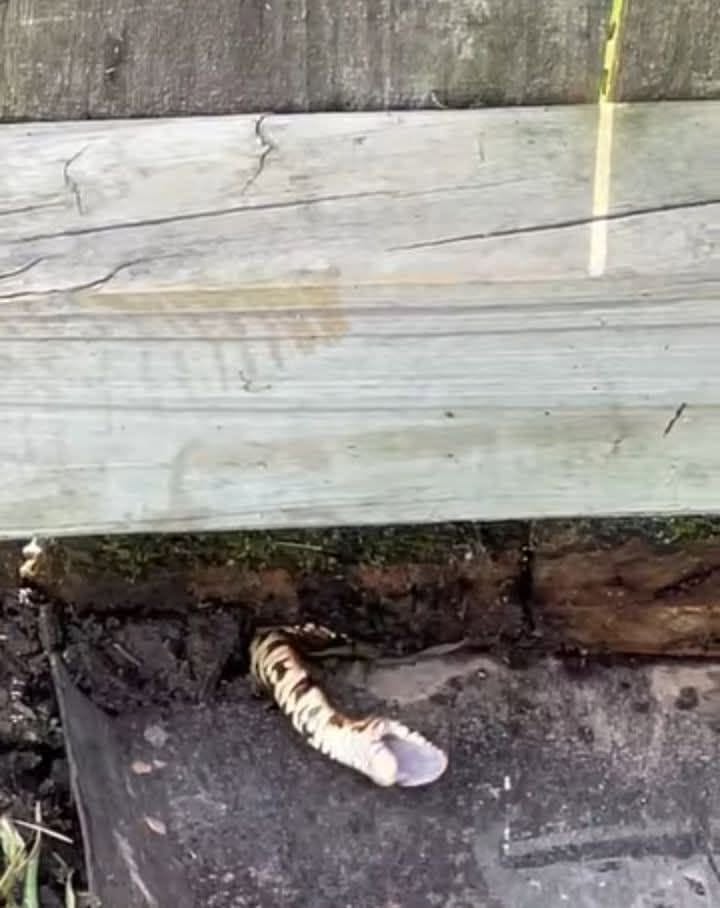
Sometimes a single image reminds us how important kindness and education truly are.
Recently, I saw a video of a snake that had been seriously injured before anyone even stopped to ask what species it was. The animal was later identified as a harmless banded watersnake—a common, non-venomous species that plays an important role in Florida’s ecosystems.
The situation was heartbreaking, not because it involved a dangerous encounter, but because it could have been avoided entirely.
Not Every Snake Is Dangerous
Many people react out of fear when they see a snake. That reaction is understandable. But fear and facts are not always the same thing.
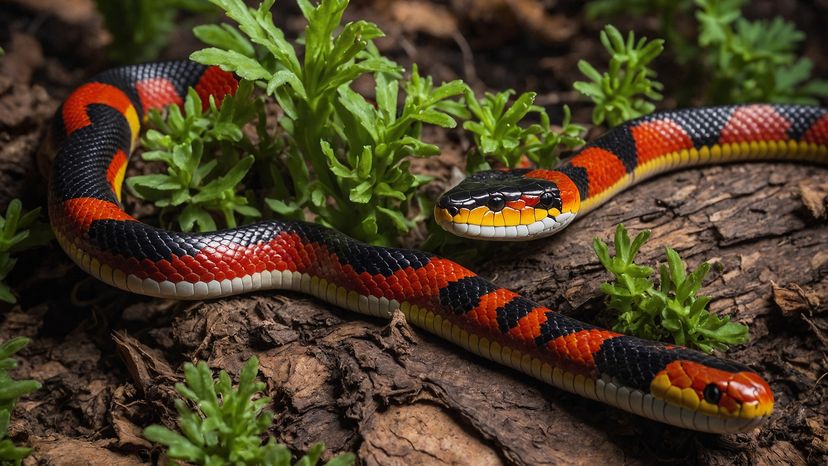
Banded watersnakes are harmless to people. They are often mistaken for venomous species because of their markings, yet they spend their lives quietly hunting frogs, fish, and other small prey while helping maintain a healthy balance in nature.
In our own family, even my 12-year-old daughter has learned to recognize these snakes. With proper knowledge and respect, we know when to admire wildlife from a safe distance and simply let it continue on its way.
Wildlife Deserves Respect
Every wild animal plays a role in the environment.
Whether it’s a bird, turtle, rabbit, or snake, each species contributes to the ecosystem in ways we don’t always notice. Treating wildlife with respect doesn’t mean getting close to every animal—it simply means allowing it the opportunity to exist peacefully whenever possible.
Most snakes are not interested in people. If left alone, they almost always continue moving without causing any problems.
Education Is the Best Protection
Florida is home to many snake species, but only a small number are venomous.
Learning to recognize the common venomous species is one of the easiest ways to reduce unnecessary fear. With just a little time spent reading field guides, watching educational videos, or following reputable wildlife organizations, most people can quickly become much more confident in identifying local snakes.
Knowledge often replaces fear with understanding.
If You Find a Snake in Your Yard
If you are unsure what kind of snake you’ve found, the safest approach is simple:
-
Stay a respectful distance away.
-
Keep children and pets indoors until the snake moves on or help arrives.
-
Take a clear photograph from a safe location if you would like an identification.
-
Contact a licensed wildlife relocator if removal is necessary.
In many cases, the snake will simply leave on its own.
Conservation Starts at Home
Across many parts of Florida, natural habitats continue to change as communities grow.
As forests, wetlands, and open spaces become neighborhoods and businesses, wildlife is increasingly forced to travel through residential areas while searching for food, water, and shelter.
Although individual homeowners cannot stop every change happening around them, each of us can make small choices that reduce unnecessary harm to wildlife.
Sometimes that simply means choosing patience over panic.
A Small Act of Kindness Matters
Respecting wildlife doesn’t require becoming an environmental expert.
It simply means recognizing that every living creature has a place in the natural world.
The next time you see a snake, remember that identification should come before assumptions. A quick photo, a call to a local wildlife expert, or simply giving the animal space may be all that’s needed.
Compassion and education are often the safest solutions—for people and for wildlife alike.