
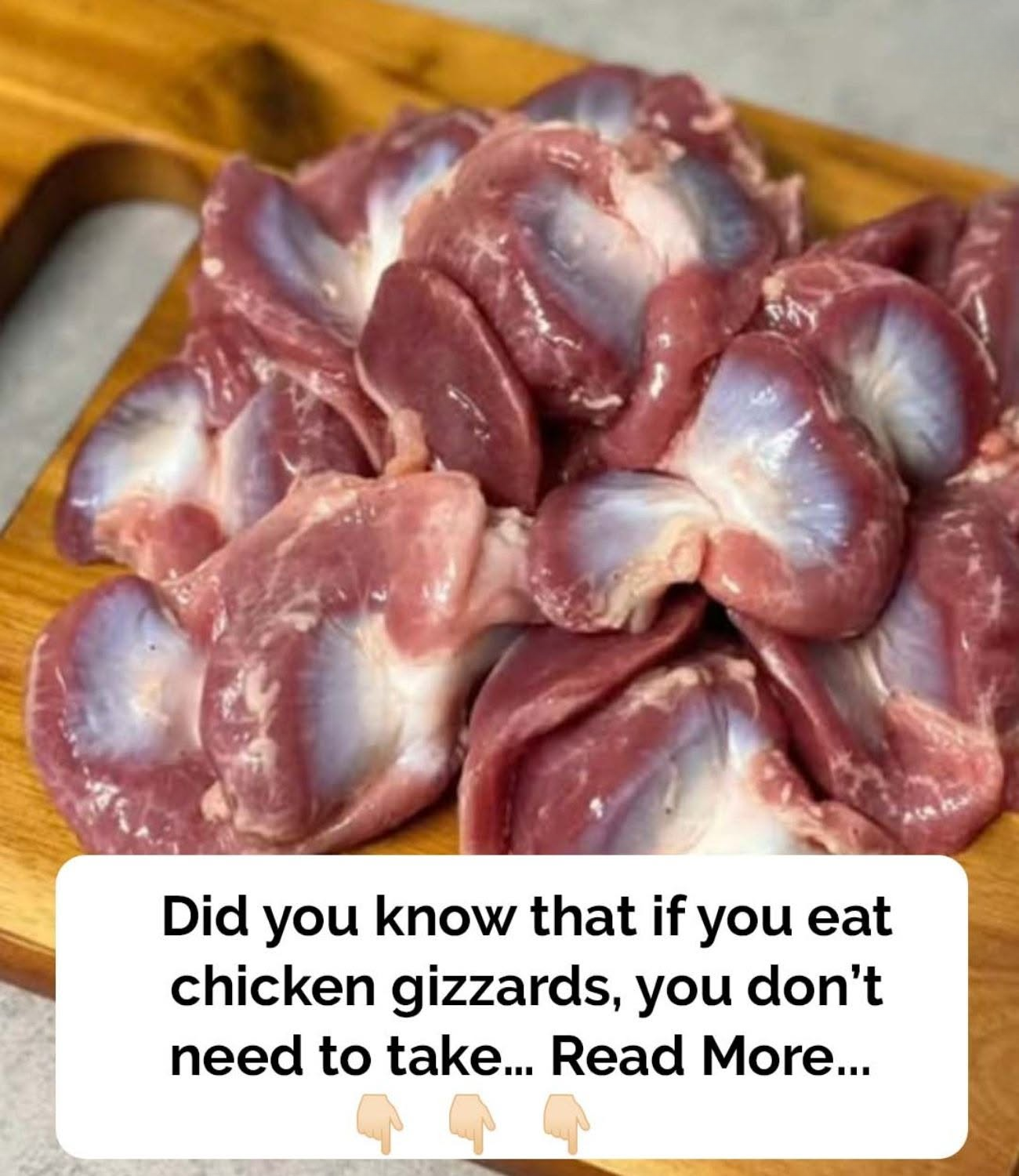
The Underrated Benefits of Chicken Gizzards
Chicken gizzards are a staple in many global cuisines, prized for their nutritional density and versatility. Despite their impressive health profile and affordability, gizzards are often overlooked in Western diets—primarily due to misconceptions associated with offal. As interest grows in sustainable, cost-effective, and nutrient-rich foods, chicken gizzards are gaining renewed attention among health enthusiasts, chefs, and anyone searching for affordable yet wholesome protein options.
Understanding Chicken Gizzards: What Are They?
The gizzard is a unique organ in birds, functioning as a muscular “food processor.” Birds swallow their food whole, and the gizzard acts as a powerful grinder, breaking down seeds and grains thanks to its thick, muscular walls. This allows birds to efficiently digest their diet, which often consists of hard grains and fibrous plant material.
In culinary terms, chicken gizzards are known for their dense, chewy texture. When properly prepared, gizzards become tender and flavorful, offering a lean cut of meat with characteristics distinctly different from other poultry parts.
Chicken Gizzards: Nutrition Highlights
Protein-Rich and Lean
Chicken gizzards are a concentrated source of protein, with approximately 20 grams per 3-ounce (85-gram) serving. This rivals the protein content of many more expensive cuts, making gizzards an appealing option for athletes, fitness enthusiasts, and anyone who wants to support muscle growth and repair.
Unlike higher-fat organ meats, chicken gizzards contain less than 3 grams of fat per serving. This means they provide substantial energy without excess calories. For individuals managing their weight or those following heart-healthy diets, gizzards serve as a smart, low-fat choice.
Vitamins and Essential Nutrients
Chicken gizzards are rich in a variety of essential vitamins:
- Vitamin B12: Crucial for nerve function, the formation of red blood cells, and maintaining healthy energy levels.
- Niacin (Vitamin B3): Supports metabolism, skin health, and cardiovascular function.
- Choline: Important for brain development and liver health, as well as fetal growth during pregnancy.
Minerals: Iron, Selenium, Zinc, and More
Iron is one of the standout minerals in chicken gizzards; it helps prevent anemia and boosts energy. Selenium and zinc are important for immune support and tissue healing. Chicken gizzards also offer riboflavin, magnesium, vitamin C, copper, and manganese, nutrients which collectively aid in metabolic, immune, and neurological health.
Economic Benefits: Affordable Nutrition for All
With rising meat prices worldwide, chicken gizzards remain one of the most cost-effective protein sources. A pound (about 454 grams) of gizzards can often be purchased at a fraction of the cost of other meats, making them ideal for families, meal-preppers, and those seeking budget-friendly yet nutritious meals. Their affordability, coupled with their nutritional density, makes them relevant in discussions around food security and equitable access to quality nutrition.
Culinary Versatility: How to Cook Chicken Gizzards
Adapting chicken gizzards into meals is straightforward, provided they are treated with proper cooking methods to enhance tenderness and flavor.
Boiling and Stewing
One of the most common ways to tenderize gizzards is through boiling or slow stewing. Simmering gizzards for 30–45 minutes with seasoning yields soft, flavorful results. They can then be added to soups, stews, or used as a stand-alone dish.
Deep-Frying
For those seeking a crispy texture, coating boiled gizzards in seasoned flour and deep-frying them is popular in Southern cuisine. Fried gizzards can be enjoyed as a bar snack or appetizer, served with dipping sauces.
Sautéing and Stir-Frying
After boiling for tenderness, sliced gizzards can be quickly sautéed with vegetables, spices, and aromatics. This method highlights their meaty flavor and can be paired with rice or noodles for a balanced meal.
Grilling
Marinating gizzards in flavors like soy sauce, garlic, and vinegar before grilling adds smoky notes and complexity. Grilled gizzards are popular in Southeast Asian cuisines, often served with vegetables or a tangy dipping sauce.
Slow Cooking
Using a slow cooker for gizzards can produce fall-apart tenderness. Cooking them with broth, herbs, and vegetables over several hours unlocks deeper flavors and ensures a hearty, nutritious meal.
Global Recipes Featuring Chicken Gizzards
- Gizzard Adobo: A Filipino classic, simmering gizzards in soy sauce, vinegar, garlic, and bay leaf for a rich, savory meal.
- Spicy Stir-Fried Gizzards: Tossed with chili sauce and vegetables for a fiery, protein-packed entrée.
- Gizzard Soup: Incorporating gizzards into a nourishing broth with root vegetables, ideal for colder months.
- Gizzard Tacos: Crispy gizzards served in tortillas with salsa and lime, offering a fusion of textures and flavors.
- Gizzard Salad: A high-protein salad featuring greens, tomatoes, and a tangy dressing for health-conscious diners.
Texture: Barrier and Opportunity
For many, the primary challenge with gizzards is their chewy texture. However, proper preparation—especially boiling or stewing before grilling, sautéing, or frying—transforms the gizzards, making them tender and palatable. Experimentation with recipes and techniques is encouraged to suit individual taste preferences.
Moderation also plays a role. Gizzards contain cholesterol, so those on strict cholesterol-management diets should consult their physician and consume organ meats judiciously.
Potential Health Concerns and Precautions
According to medical and nutritional experts (Medical News Today, Mayo Clinic), organ meats may contain elevated amounts of saturated fat and cholesterol. However, chicken gizzards are relatively low in saturated fat (less than 1 gram per serving), suggesting that moderate consumption is unlikely to significantly impact cardiovascular health for most people.
One area of concern is purines. Organ meats like gizzards are high in purines, which may affect individuals who suffer from gout, a condition characterized by elevated uric acid levels. People prone to gout should limit intake of high-purine foods, including gizzards, and seek personalized dietary advice from healthcare professionals.
Another consideration is the source of poultry. Conventional poultry farming often involves the use of antibiotics, potentially contributing to antibiotic-resistant bacteria. According to The Guardian, overuse of antibiotics in livestock has public health implications. Opting for organic, antibiotic-free poultry may reduce exposure to such risks. Advocacy for transparent labeling and support for organic farming practices are growing, paralleling broader food safety discussions.
Environmental and Societal Implications
Integrating chicken gizzards into everyday diets supports more sustainable food cultures. Utilization of offal reduces waste in meat processing and aligns with nose-to-tail eating, a culinary philosophy that seeks to honor the whole animal. Cultures worldwide have embraced gizzards not only for their economics but for their culinary tradition—from street food vendors in Asia to rustic European kitchens.
As global food systems evolve, the role of affordable, nutrient-rich foods like chicken gizzards becomes increasingly important in ensuring equitable access to quality protein while minimizing environmental impact. Internationally, health organizations endorse including a wide range of protein sources for balanced nutrition. In addition, sustainability advocates highlight the reduced carbon footprint and food waste benefits associated with consuming the full spectrum of animal products.
Expert Views and International Perspectives
Nutritionists point out that chicken gizzards offer substantial benefits when included as part of a varied diet. According to the World Health Organization (WHO) and Centers for Disease Control and Prevention (CDC), diets rich in vitamins and minerals support lifelong health and prevent many chronic conditions.
Gizzards have featured prominently in traditional medicine and cuisine across Africa, Asia, and Latin America. Their affordability and accessibility make them significant in combating malnutrition in resource-limited settings.
Chefs and culinary experts emphasize the versatility of gizzards, encouraging innovations in preparation and presentation to overcome textural concerns and showcase their rich flavors. Food media and cultural outlets such as BBC and Al Jazeera highlight how gizzards bridge economic and culinary divides, making them relevant in global food conversations.
Conclusion: Why Chicken Gizzards Deserve a Place on Your Plate
Organic chicken gizzards represent a unique combination of health, affordability, and versatility. Their abundance of protein, vitamins, and minerals support bodily health, while their budget-friendly price makes them accessible to all. Proper cooking methods transform their texture, and they easily integrate into global recipes.
Concerns around saturated fats, purines, and source quality are manageable through moderation and informed choices—such as selecting organic brands. As consumers become more conscious about both nutrition and sustainability, chicken gizzards have an important place on the table, whether for athletes, families, or anyone seeking a nourishing, cost-effective meal.
Next time you’re shopping, consider picking up some chicken gizzards and experimenting with new recipes. With the right preparation, you may discover a delicious, healthy, and economical new favorite.
Sources
Disclaimer: This content is intended for entertainment purposes only and is not based on real events.