

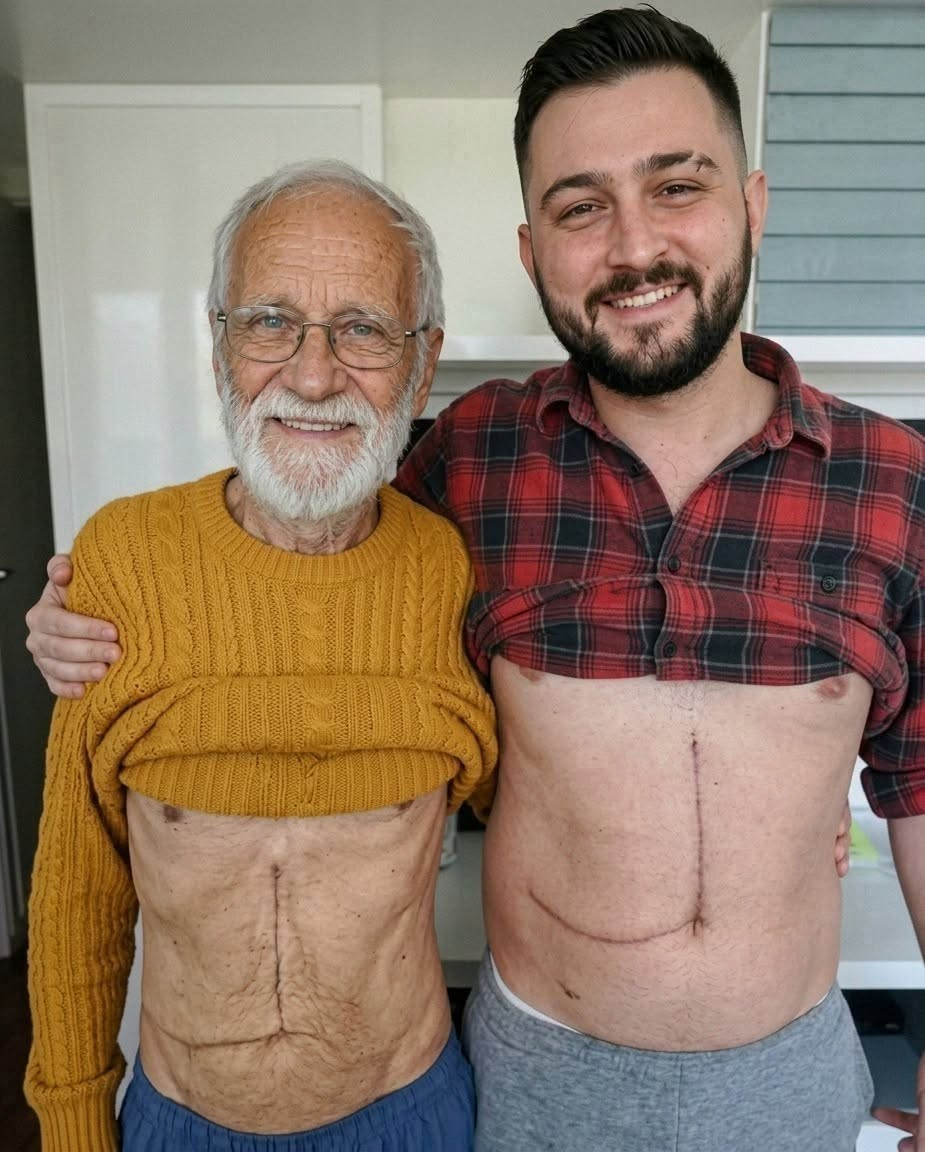
A Son Who Gave Part of His Liver to Save His Father: What to Know About Living Liver Donation
Editor’s note: The original draft does not identify the family, hospital, medical circumstances, or outcome described in its brief excerpt. Those claims cannot be independently verified from the information provided. This article therefore offers factual, evidence-based context about living liver donation rather than presenting unconfirmed details as news.
Stories about a child offering part of their liver to a parent can be deeply moving because they reflect both family devotion and the urgent realities of organ transplantation. Living liver donation has helped many patients receive a transplant sooner than they might otherwise through the deceased-donor system. At the same time, it is not a simple or risk-free procedure. It involves extensive medical testing, major surgery, long-term follow-up, and careful attention to the donor’s physical and emotional wellbeing.
When a relative becomes seriously ill with liver disease, families may understandably focus on the possibility of saving a loved one’s life. Medical teams, however, must protect two patients at once: the person receiving the transplant and the healthy person considering donation. Ethical transplant programs are designed around that principle. A potential donor must be fully informed, medically suitable, free from pressure, and able to withdraw from the process at any time.
Why Living Liver Donation Is Possible
The liver has a remarkable ability to regenerate. Unlike many organs, it can restore much of its volume and function after a portion is removed. In a living donor transplant, surgeons remove part of a healthy donor’s liver and transplant it into the recipient. Over time, the remaining liver tissue in the donor and the transplanted portion in the recipient can grow.
This regenerative capacity makes living donation possible, but it does not make surgery routine or without risk. Liver resection is a complex operation performed at specialized transplant centers. The amount of liver removed depends on the donor’s anatomy and the recipient’s needs. In general, the transplant team must ensure that the donor retains enough liver tissue to recover safely while providing a graft large enough to function effectively in the recipient.
Living donor liver transplantation may be considered for adults and children with advanced liver disease, certain liver cancers that meet transplant criteria, and some acute liver conditions. The decision depends on many factors, including the recipient’s diagnosis, overall health, blood type compatibility, body size, and ability to undergo major surgery.
The Need for Liver Transplants
The liver performs essential functions throughout the body. It helps process nutrients, produces proteins involved in blood clotting, stores energy, metabolizes medications, and helps remove toxins from the bloodstream. Severe liver damage can interfere with these functions and lead to life-threatening illness.
Common reasons for liver transplantation include cirrhosis related to chronic viral hepatitis, alcohol-associated liver disease, metabolic conditions, autoimmune liver disease, inherited disorders, and nonalcoholic fatty liver disease, now commonly referred to as metabolic dysfunction-associated steatotic liver disease. Some patients may also need a transplant because of liver cancer or sudden liver failure.
Demand for donated organs remains greater than the available supply. In the United States, the Organ Procurement and Transplantation Network tracks waiting-list data and transplant activity. A living donor transplant can reduce waiting time for some recipients and may allow surgery to be planned before a patient becomes even more critically ill. However, living donation is not suitable for every patient, and it does not replace the continued need for deceased-organ donation.
Who Can Become a Living Liver Donor?
A potential donor is usually a healthy adult who can provide informed consent. Requirements differ between transplant centers and countries, but candidates are generally assessed for physical health, liver health, mental wellbeing, and their understanding of the procedure. Donation may be considered between relatives, spouses, friends, or altruistic donors who do not know the recipient personally.
Compatibility matters, although a family relationship alone does not guarantee that donation will be possible. Doctors consider blood type, liver size, anatomy, immune factors, and the recipient’s medical condition. Imaging scans are used to map the donor’s blood vessels and bile ducts, because every liver has individual anatomical features that can affect surgical planning.
Potential donors also undergo blood tests, cardiac and respiratory assessments when appropriate, and screening for conditions that could make surgery unsafe. Medical teams may identify issues that the donor did not previously know about. If testing reveals a concern, the donor may be advised not to proceed, even if they are highly motivated to help a loved one.
Informed Consent and the Donor Advocate
Voluntary consent is central to ethical living organ donation. A person should never feel obligated to donate because of family expectations, financial pressure, cultural expectations, or fear of disappointing someone they love. The decision must be personal and informed.
Many transplant programs appoint an independent living donor advocate or donor team. This professional is separate from the recipient’s medical interests and helps ensure that the prospective donor understands the possible benefits, uncertainties, risks, and alternatives. The donor can ask private questions and can decide not to continue without having to publicly explain personal medical details.
This protection is particularly important in close-knit families. A parent, child, sibling, or partner may feel immense emotional pressure when a loved one is ill. Responsible programs recognize that generosity should not come at the expense of a donor’s autonomy or safety.
What Surgery and Recovery Can Involve
Living liver donation requires hospitalization and a significant recovery period. The surgery is performed under general anesthesia. Surgeons remove a designated section of the liver, and the donor is monitored closely after the operation for pain control, liver function, circulation, infection prevention, and other possible complications.
Recovery varies from person to person. Donors may spend several days in hospital and then need weeks or months before returning to usual activities, depending on the physical demands of their work and their individual progress. Medical teams typically recommend avoiding heavy lifting and strenuous exercise during the early recovery period. Follow-up appointments are important to monitor healing and liver regeneration.
Support at home can make a meaningful difference. Families may need to organize transportation, meals, childcare, leave from work, and help with routine activities. A donor’s recovery should not be treated as secondary to the recipient’s condition. Both individuals require support, privacy, and consistent medical follow-up.
Medical Risks for Living Liver Donors
Living liver donation is performed only after rigorous screening, but it remains major surgery. Potential complications can include bleeding, infection, blood clots, bile leaks, wound problems, reactions to anesthesia, and injury to nearby structures. Some complications may require additional procedures or treatment. Rarely, severe or life-threatening complications can occur.
Transplant centers should discuss these risks clearly and in language the donor can understand. The exact level of risk may differ depending on the type of donation, the donor’s health, surgical technique, and the experience of the transplant program. Donors should be encouraged to ask direct questions about outcomes at the center, expected recovery, long-term monitoring, insurance, and who will cover costs related to complications.
Emotional recovery also matters. Some donors feel pride, relief, and closer family connection after donation. Others may experience stress, low mood, anxiety, or complicated emotions, especially if the recipient faces setbacks. These reactions do not mean a donor made the wrong choice. They are understandable responses to a physically and emotionally demanding experience, and counseling can be helpful.
Risks and Uncertainties for Recipients
A transplant can offer a new chance at life, but it is not a guaranteed cure. Recipients face the risks of major surgery, including bleeding, infection, blood-vessel complications, bile-duct complications, and the possibility that the new liver may not function as expected. They also need lifelong medical monitoring.
After transplantation, recipients generally take immunosuppressant medicines to reduce the risk of rejection. These medicines are essential, but they can increase vulnerability to infections and may have other side effects. Regular clinic visits, blood tests, medication management, healthy lifestyle choices, and prompt attention to symptoms are all important parts of post-transplant care.
For families, it can be difficult when recovery does not follow a predictable path. A recipient may improve quickly, while a donor needs more time than expected to regain strength. Alternatively, the recipient may encounter complications despite a successful operation. Honest communication from clinicians can help relatives understand that transplant medicine involves both hope and uncertainty.
Financial, Practical, and Workplace Considerations
Potential donors should discuss practical concerns before making a decision. While medical expenses related to the donation surgery may be covered through the recipient’s insurance or national healthcare system, policies vary. Donors may still face indirect costs, such as travel, accommodation, meals, lost wages, childcare, or time away from work.
In the United States, the National Living Donor Assistance Center may help eligible donors with certain travel and subsistence expenses. Other countries may have different support systems. A transplant center’s financial coordinator or social worker can explain available assistance and help families plan realistically.
Employers may offer sick leave, family leave, disability coverage, or other benefits, but eligibility depends on local laws and workplace policies. Donors should obtain clear information early, rather than assuming every cost or absence will automatically be covered.
How Families Can Support a Living Donor
Support should begin before surgery and continue after discharge. Relatives can help a donor attend appointments, prepare questions for clinicians, arrange transportation, and create a calm recovery environment. They can also respect the donor’s privacy and avoid sharing medical details online without explicit permission.
It is equally important not to frame donation as a debt the recipient must repay or as a test of family loyalty. Donation is a voluntary medical decision. The healthiest family response recognizes the donor’s generosity while allowing everyone involved to express fear, grief, uncertainty, gratitude, or exhaustion without judgment.
Transplant social workers, mental health professionals, peer-support organizations, and patient advocates can provide additional help. These resources may be especially valuable when families are navigating prolonged illness, travel to a transplant center, financial strain, or unexpected changes in recovery.
Reliable Information Matters
Emotionally compelling social media posts and incomplete online articles can spread quickly, particularly when they involve a parent and child facing a medical crisis. Before sharing a story, readers should look for confirmation from the family, hospital, reputable news organizations, or recognized health authorities. Privacy laws often limit what hospitals can disclose, so the absence of public details should not be filled with speculation.
Living liver donation is a real and potentially life-saving option, but every case is individual. The safest source of personal guidance is a qualified transplant center that can evaluate the donor and recipient directly. Families considering donation should seek information from official health organizations and medical professionals rather than relying on dramatic or incomplete online claims.
Conclusion
A family member’s willingness to donate part of their liver can represent extraordinary compassion. Yet the medical reality is complex: living liver donation requires careful screening, fully informed consent, specialized surgery, and support for both donor and recipient. Recognizing the donor’s health needs alongside the recipient’s urgent need for treatment is essential to ethical transplantation.
For anyone considering living liver donation, the next step should be a conversation with an accredited transplant program. Accurate information, independent advocacy, and a realistic plan for recovery can help families make decisions based on medical evidence rather than pressure or uncertainty.
Sources
- OrganDonor.gov — Living Donation Information
- Organ Procurement and Transplantation Network — Living Donation
- National Institute of Diabetes and Digestive and Kidney Diseases — Liver Transplantation
- Mayo Clinic — Living-Donor Liver Transplant
- American Transplant Foundation — Living Donation
- National Living Donor Assistance Center
Disclaimer: This content is intended for entertainment purposes only and is not based on real events.