


Rapiscan Airport Scanners: Privacy, Security and Why They Were Removed
Airport security screening is now a routine part of air travel for millions of people. Most passengers expect to place bags on a conveyor belt, pass through a metal detector or body scanner, and continue toward their gate. Yet the introduction of a particular type of full-body scanner in the United States created one of the most significant modern debates about privacy, security, and the limits of surveillance in public spaces.
These machines, commonly associated with the Rapiscan brand, used backscatter X-ray technology to identify items concealed beneath a passenger’s clothing. They were introduced during a period of heightened concern about aviation security after the attempted bombing of a flight traveling to Detroit on December 25, 2009. The event demonstrated that conventional metal detectors might not identify every non-metallic threat, prompting governments and airport authorities to consider additional screening tools.
The scanners were intended to help security officers detect prohibited objects carried on a person. However, the technology quickly became controversial because early versions generated highly detailed body images. Privacy advocates, civil liberties organizations, some travelers, and elected officials questioned whether the security benefit justified the intrusive nature of the screening process.
Why Rapiscan Body Scanners Were Introduced at U.S. Airports
Following the failed 2009 attack, the Transportation Security Administration, or TSA, accelerated the deployment of advanced imaging technology at U.S. airport checkpoints. Traditional walk-through metal detectors were designed primarily to locate metallic objects. They could not always identify materials that did not contain metal, including certain items that could be concealed under clothing.
Backscatter scanners were presented as one answer to that challenge. Unlike a conventional detector, the technology used low-level X-rays to create an image based on radiation reflected from the surface of a person’s body and any object positioned close to it. This allowed screeners to identify anomalies that could require further inspection.
Security specialists argued that aviation screening needed to adapt as threats changed. In public comments reported by several media organizations, security consultant Will Geddes explained that metal detectors alone have limitations when authorities need to identify items worn on the body but not made of metal. From a security perspective, advanced screening was intended to close that gap.
At the same time, critics said the introduction of the technology showed how quickly emergency security measures can affect personal privacy. The debate was not simply about whether airports should screen passengers. It focused on how screening should be carried out, what information should be visible to officers, and what safeguards should be required before sensitive technology is adopted on a large scale.
How Backscatter X-Ray Scanners Worked
Rapiscan backscatter machines differed from the millimeter-wave scanners commonly used at many airports today. Backscatter systems used X-ray energy, while millimeter-wave systems use non-ionizing radio-frequency waves to identify potential items concealed under clothing.
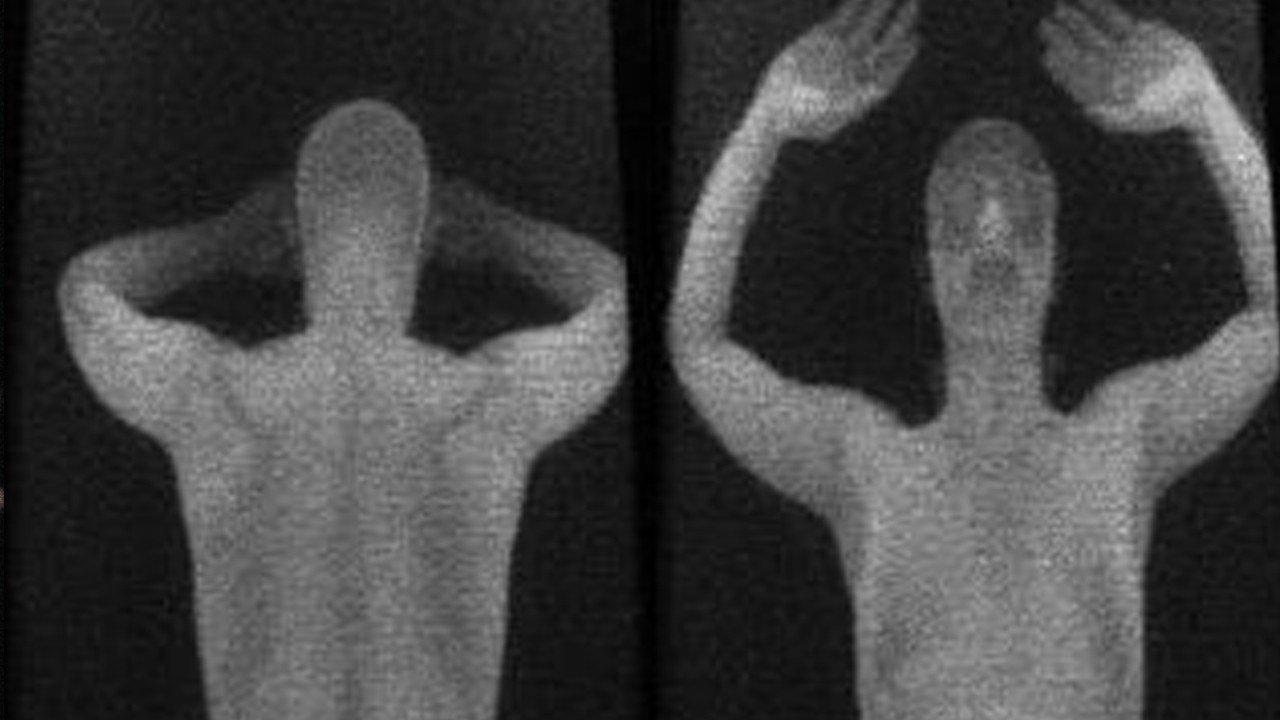
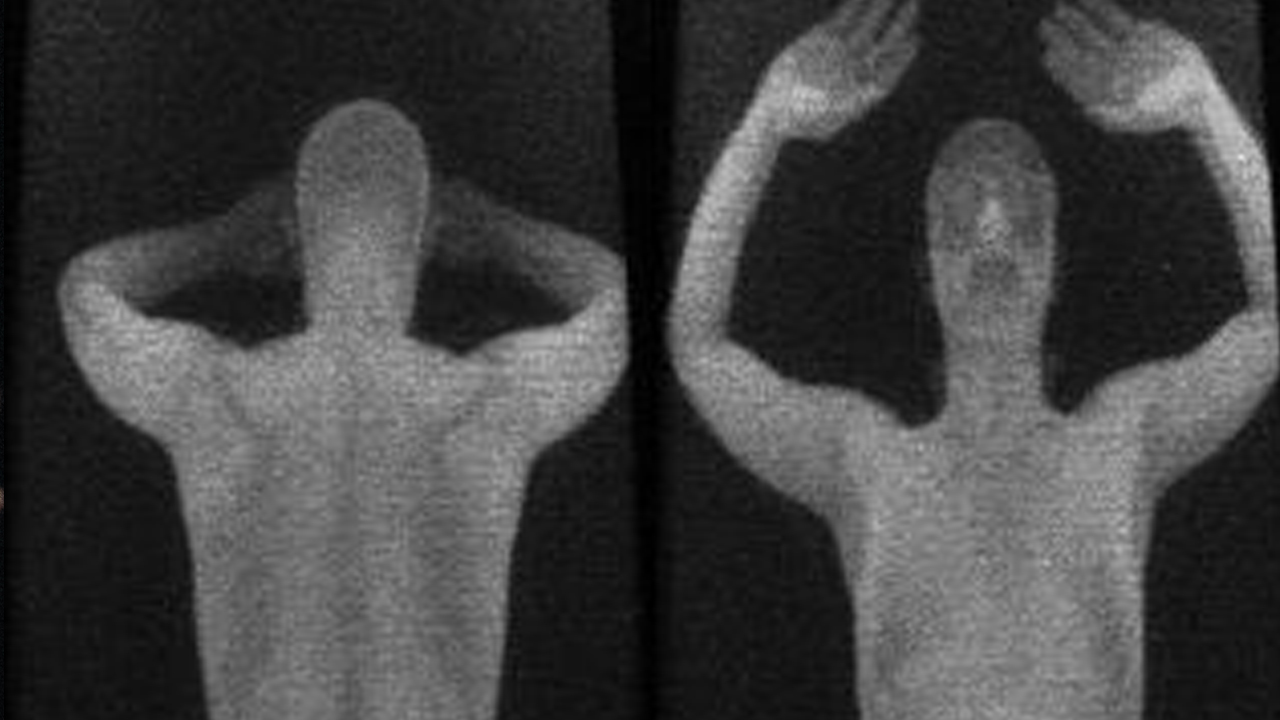
The images produced by early backscatter scanners were a central source of concern. They could show the contours of a passenger’s body in considerably more detail than many travelers expected. This raised concerns for people who felt the process could reveal private physical characteristics or personal medical equipment.
The American Civil Liberties Union, or ACLU, was among the organizations that publicly opposed the early systems. In a background document on airport body scanners, the organization described the practice as a “virtual strip search” and argued that it could reveal sensitive medical details. The ACLU also raised questions about the impact on travelers who use medical devices, wear prosthetics, or have conditions that make screening particularly stressful.
For critics, the issue was not limited to what the image showed. It also involved questions about data handling, staff training, image storage, and whether images could be copied, retained, or misused. The TSA stated that its screening procedures included privacy protections and that officers viewing images were separated from the checkpoint. Nevertheless, public anxiety persisted because the images themselves were viewed as too revealing.

Privacy Concerns and the Public Debate
The backlash against early airport body scanners became part of a broader international discussion about privacy in the age of security technology. Civil liberties groups argued that air passengers should not have to surrender their dignity in order to board a flight. Others emphasized that security measures should be proportionate, transparent, and subject to independent review.
Many travelers also asked whether they had meaningful alternatives. The TSA allowed passengers to decline advanced imaging screening, but doing so generally meant undergoing a physical pat-down. For some people, that did not feel like a practical choice. The experience contributed to calls for better privacy-focused technology rather than a simple choice between two unwanted screening methods.
Concerns also extended beyond privacy. Some passengers and advocacy groups questioned the use of X-ray-based systems, particularly because of cumulative exposure concerns among frequent fliers and aviation workers. Health authorities and regulators generally described the radiation exposure from an individual backscatter screening as very low. However, the debate highlighted the importance of explaining risk clearly and evaluating whether a less intrusive technology could achieve the same security objective.
In Europe, the discussion took a different regulatory direction. The European Commission decided in 2011 that airport security scanners using X-ray technology should not be deployed in European Union airports, citing health and safety considerations. The decision did not prohibit all body scanners; it specifically affected X-ray-based systems. European airports could continue using other approved technologies, including millimeter-wave scanners, provided they met applicable safeguards.

TSA Changes and the Removal of Rapiscan Machines
In the United States, the TSA sought to reduce privacy concerns by requiring Automated Target Recognition, often called ATR, software for advanced imaging technology. Rather than displaying a detailed image of the individual, ATR software presents a generic outline of a person. If the scanner detects a potential anomaly, the system marks the relevant general area on that outline for additional screening.
This approach was intended to give security personnel the information needed to resolve an alarm without presenting an image that could identify or expose a passenger’s physical details. The change became an important example of privacy by design: adapting the technology itself, rather than relying solely on rules governing how personnel use it.
In January 2013, the TSA confirmed that it would remove Rapiscan backscatter units from airport checkpoints because the company had not met the agency’s deadline to install the required privacy software. According to reporting by the Los Angeles Times, the agency terminated part of its contract with the manufacturer after the deadline passed.
The TSA subsequently transitioned away from the backscatter machines at passenger screening checkpoints. The agency continued to use advanced imaging technology, but with systems designed to display generic figures rather than detailed body images. This distinction is important: the removal of Rapiscan backscatter scanners did not mean the end of full-body scanning at U.S. airports. It marked a move toward technologies and software with stronger privacy protections.

How Modern Airport Body Scanners Work
Modern airport body scanners in the United States generally use millimeter-wave technology. A passenger stands inside the machine while it scans for objects that may be concealed beneath clothing. The system analyzes the scan and displays a simplified, generic figure to the security officer.
If there is no alarm, the passenger can proceed. If the system identifies an area that needs attention, the outline shows a highlighted location. A transportation security officer may then conduct a limited additional screening of that area to determine whether there is an innocent explanation, such as a clothing feature or an approved medical item.
The TSA says its current advanced imaging technology uses automatic target recognition software and does not display a passenger’s actual body image to officers. This is a substantial change from the early generation of backscatter systems that caused the most public concern.
Travelers who have questions about screening can notify a TSA officer about medical devices, mobility equipment, or other circumstances that may affect the process. The TSA also offers the TSA Cares program, which provides assistance and information for travelers with disabilities, medical conditions, or other specific needs before they fly.
What the Rapiscan Controversy Changed
The dispute over Rapiscan scanners remains relevant because it illustrates the challenge of balancing aviation security with civil liberties. Airports are responsible for preventing serious threats, and technology can provide valuable support to trained screening personnel. But public acceptance of that technology depends on trust, clear oversight, and safeguards that protect people from unnecessary intrusion.
The controversy helped establish several principles that remain important in transportation policy. First, security technology should be evaluated not only for whether it works, but also for how it affects the public. Second, privacy protections should be integrated into systems from the beginning whenever possible. Third, agencies must communicate honestly about how equipment operates, what data it creates, and what happens when an alarm occurs.
It also showed the value of independent scrutiny. Reporting by journalists, advocacy from civil liberties organizations, questions from lawmakers, and input from health and technical experts all contributed to public understanding of the issue. This kind of debate can be uncomfortable, but it is a key part of democratic oversight when governments introduce powerful tools into everyday life.
Airport Security, Passenger Rights, and Future Technology
Airport screening technology will continue to evolve. Governments and airports are exploring systems that may improve detection while reducing waiting times and unnecessary physical contact. As new tools are introduced, the questions raised by Rapiscan scanners will remain relevant: Is the technology necessary? Is it effective? Is it the least intrusive available option? Are there clear protections for passengers?
For travelers, understanding current procedures can make the airport experience less uncertain. Today’s body scanners are designed to identify potential concerns on a generic outline rather than create detailed personal images. Passengers can also consult official TSA guidance before traveling, especially if they have medical equipment or accessibility requirements.
The history of Rapiscan scanners is therefore more than a story about one discontinued airport machine. It is a reminder that security and privacy are not competing ideas that require an all-or-nothing choice. With transparent standards, accountable institutions, and carefully designed technology, airport screening can seek to protect both public safety and individual dignity.
Sources
Disclaimer: This content is intended for entertainment purposes only and is not based on real events.