
Sirens, Twisted Metal, and Unanswered Questions: The Nuporanga University Bus Tragedy
Introduction
In the quiet countryside near Nuporanga, lives were irrevocably altered by a sudden, tragic bus crash that claimed the futures of twelve university students. The aftermath has sparked intense grief throughout the state, left an academic community reeling, and provoked urgent questions about transportation safety and responsibility. As families, friends, and officials search for answers, they confront not only the mechanics of the accident but also the broader issues exposed by this devastating event.
The Incident: What Happened Near Nuporanga
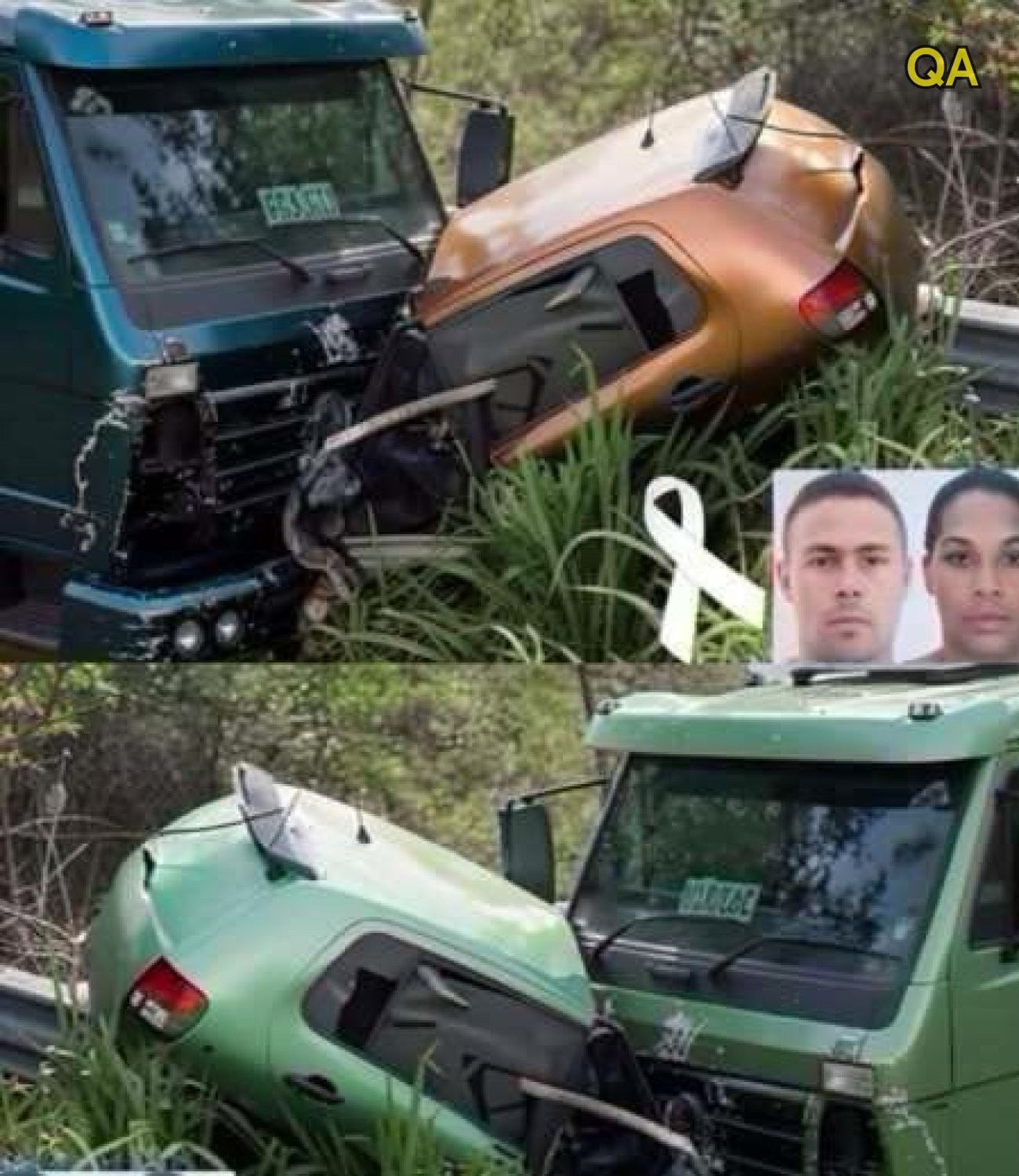
On an otherwise unremarkable stretch of road, what began as a daily commute for students of the University of Franca ended in catastrophe. Early investigations suggest that the bus, carrying several students to campus, was involved in a severe collision resulting in the deaths of twelve passengers and injuries to others. Witnesses recall the piercing sound of sirens and the sight of twisted metal, evidence of a violent impact that brought life to a devastating halt.
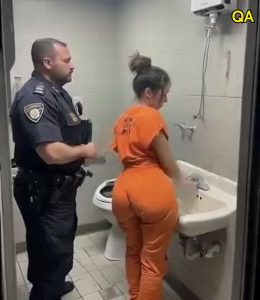
The immediate scene was chaotic. Emergency services responded swiftly, extricating victims and transporting the injured to nearby hospitals. Preliminary reports from authorities indicated possible factors, such as driver error, vehicle malfunction, or road conditions, but a comprehensive official cause is still under investigation. The driver remains in custody while law enforcement assembles a detailed account of the incident.

The Impact on the Academic Community
The University of Franca was transformed overnight. Once vibrant classrooms fell silent as the campus undertook an official mourning period. Candlelight vigils illuminated courtyards where students and faculty gathered to mourn, each flame signifying the memory and unrealized potential of a lost life. Professors, accustomed to discussing grades and assignments, found themselves conducting solemn memorials, reading names no longer registered for future semesters.
The emotional toll was profound. Many classmates, reeling from shock and sadness, sought solace in one another. Parents, overwhelmed by sudden loss, clutched treasured photographs in place of graduation diplomas. Counseling services were quickly mobilized, underscoring the university’s commitment to supporting its community through collective grief. Such acts of remembrance and compassion became the backbone of the university’s response to tragedy.
State and Official Responses
The broader response from the state government was immediate. The governor expressed deep condolences to all affected families and declared a period of official mourning. This formal recognition, while important, did little to fill the void left by the students. However, it did reinforce the state’s commitment to finding answers and seeking justice.
Government agencies have pledged to conduct a thorough investigation, focusing on whether there were lapses in safety regulation, vehicle maintenance, or operational oversight that contributed to the disaster. The detainment of the driver is part of this process, though officials emphasize the need for conclusive findings before assigning blame.
Legal and transportation experts note that accidents involving university transportation not only raise questions about operator responsibility but also about systemic failures in oversight. Moving forward, recommendations may touch on stricter vehicle safety inspections, enhanced driver training, and improved emergency preparedness for passenger transport services.
Community Mourning and Acts of Solidarity
In the days since the accident, grief has united the Nuporanga community in unprecedented ways. The university received support from surrounding neighborhoods, as residents volunteered to cook meals for families and came together for moments of shared silence. Local businesses contributed by sponsoring counseling sessions and memorial events.
Alumni and students from other universities extended messages of solidarity, reflecting a wider sense of empathy across the academic world. Social media became a space for collective sorrow, with hashtags trending locally and drawing attention to the lives lost—not just the circumstances of their passing. Organizations specializing in trauma support reached out to provide resources for coping and resilience.
Many survivors and bereaved families have voiced a collective hope: that the tragedy will become a catalyst for meaningful change in transportation safety and crisis response.
Calls for Accountability and Change
The aftermath of the crash has fueled public debate on who is ultimately responsible for the safety of students in transit. Lawmakers have called for rigorous hearings to scrutinize the standards applied to university transportation providers. Preliminary analyses suggest that gaps in routine vehicle inspections and driver training could be areas for urgent reform.
Experts in transportation safety highlight the importance of multi-layered preventative measures. These include adherence to strict maintenance schedules, real-time vehicle monitoring systems, and transparent accountability mechanisms within contractor arrangements. Enhanced collaboration between universities and transport agencies is advocated to ensure students are not exposed to avoidable risks.
As legal proceedings continue, there is also an emphasis on the ethics of transparency and communication from all parties involved—both for the sake of current safety and as a mark of respect for the victims.
Expert Analysis: Transportation Safety in Focus
According to professionals in the field, the Nuporanga incident underscores systemic issues that often go unaddressed until tragedy occurs. The World Health Organization (WHO) classifies road traffic injuries as a leading cause of death among young people globally. In Brazil, the expansion of private and contracted student transport underscores the necessity for robust regulatory frameworks.
Studies from transportation scholars emphasize the effectiveness of preventive education, routine driver evaluations, and the integration of advanced safety features in public and private vehicles. Recommendations from the Centers for Disease Control and Prevention (CDC) also advocate for community-based approaches—encouraging public awareness campaigns and stakeholder engagement to promote a culture of safety.
Societal and International Perspectives
The Nuporanga tragedy has resonated not only within Brazil but internationally. Universities abroad sent condolences, with some organizing their own moments of silence. Media coverage by outlets such as Reuters and the BBC has contextualized the incident within broader global challenges related to student mobility and public transportation risks.
International safety forums and academic networks have expressed solidarity and offered to share best practices for prevention. For students everywhere, the accident served as a stark reminder of the vulnerability that can come with routine travel, and the essential role of vigilance and continuous improvement in public safety.
A Community’s Resolve: Honoring Lost Lives Through Action
In the difficult weeks ahead, the focus remains on honoring those lost not only by remembrance but by demanding concrete changes. Advocacy groups comprised of survivors and bereaved families have begun mobilizing for long-term reforms. Initiatives for scholarships and memorial funds have emerged, seeking to turn grief into opportunities that benefit future generations.
This tragedy, though deeply painful, has revealed resilience and determination within the community. There is widespread resolve that the twelve students will not simply be remembered for their final moments, but for the changes their stories inspire—improved safety protocols, better crisis response, and stronger community bonds.
Conclusion
The accident near Nuporanga serves as a poignant reminder of both the fragility of life and the enduring spirit of a caring community. As investigations continue and recommendations emerge, it is hoped that lessons learned will extend beyond this single event—contributing to safer journeys for all students in the future.
Sources
- Reuters
- BBC
- World Health Organization (WHO)
- Centers for Disease Control and Prevention (CDC)
- The Guardian
Disclaimer: This content is intended for entertainment purposes only and is not based on real events.